One of the impressive aspects of architecture is the opportunity to give another life to obsolete buildings through redefining use. Many buildings will outlive their maker, especially if they have a notable cultural impact on their surroundings. Part of what makes buildings so impressive to behold is their innate longevity, and the commitment required for their construction. They say ‘measure twice, cut once’ for a good reason, after all.
What happens when despite all its beauty, the purpose of a building is no longer applicable? Every day restoration becomes more important, both due to a lack of space and for sustainability. Re-thinking the old instead of starting anew. A present example could be the abundance of warehouses and churches reformed into housing in recent times. We draw great satisfaction from taking something that has fallen into disrepair through someone else’s abandon, and turning it into something beautiful again.
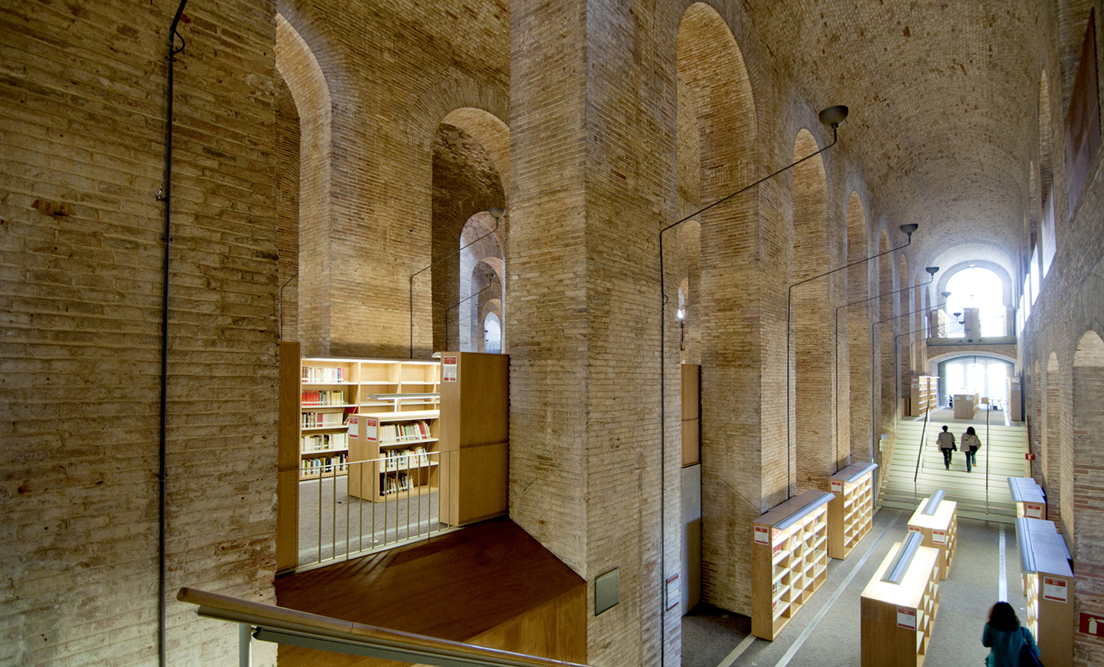
El Diposit de les Aigues – Clotet Paricio
‘El diposit de les aigues’ by Clotet-Paricio was an old water tank building which has now been converted into a library, and is a good example of how with minimal intervention, the purpose of a building can change radically and with amazing result. Another good example is ‘La Fabrica’ by Ricardo Bofill; once a cement factory, this architect transformed it into his own studio.

La Fabrica – Ricardo Bofill
This of course begs the question; should an architect take this into consideration and plan around a building eventually losing its initial purpose? Is designing built in adaptability the way architects should operate? Now more than ever with climate change and population growth, buildings must be resilient and capable of redefining use as our needs and cities change.
Judit Solerdelcoll, 13/9/21