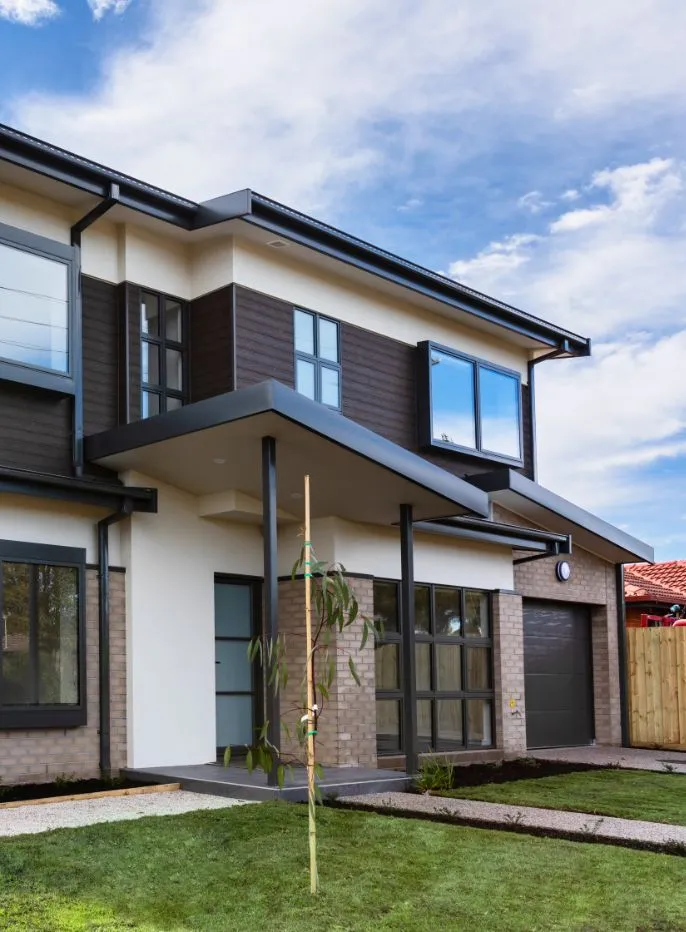
Answering: What are the top indoor-outdoor features for Bayside homes in 2025?
Estimated reading time: 10 mins
Yes, the top indoor-outdoor features for Bayside homes in 2025 are retractable roof systems, integrated climate control, and level-threshold connections that extend your usable outdoor living from 6-8 months to 11+ months annually. These features work together to address Melbourne’s notorious four-seasons-in-one-day climate while creating genuine flow between your interior living spaces and garden areas. Based on BY Projects Architecture’s 400+ completed residential projects across Melbourne, homes with these combined features see 30-40% improvement in perceived living space and deliver 60-70% return on investment through improved daily livability and property value in suburbs like Brighton, Hampton, and Sandringham.
You have probably spent countless hours researching deck options, pergola styles, and outdoor heating only to feel overwhelmed by conflicting advice. The challenge for Bayside homeowners is finding features that genuinely work year-round rather than expensive additions that sit unused for half the year. Your concerns about coastal weather exposure, heritage restrictions, and budget realities are completely valid.
The reality is that successful indoor-outdoor design depends on your specific suburb, block orientation, and how your household actually uses outdoor space across seasons. A Brighton beachfront property faces different challenges than a Hampton garden setting. Success requires matching features to your location’s exposure patterns and your council’s specific requirements.
This guide covers essential climate-responsive features, seamless flow principles, and Bayside-specific considerations to help you plan an outdoor living space that works every day of the year. Each section includes practical action steps so you can move forward with confidence.
Key Insights
- Retractable louvred systems consistently prove most cost-effective for Melbourne’s variable weather, extending usable outdoor months from 6-8 to 11+ annually
- Level thresholds create the visual connection that makes spaces feel twice their actual size while improving accessibility for all ages
- Coastal properties in Brighton and Black Rock require marine-grade materials that deliver 20+ year durability compared to standard timber needing replacement every five years
- Budget for Bayside indoor-outdoor features typically ranges from $25,000 for basic covered areas to $150,000+ for fully integrated outdoor rooms with kitchens and retractable systems
- Council approval timelines differ significantly by suburb—Brighton and Black Rock require engineering certification adding 2-3 weeks, whilst inland Hampton typically approves within 6-8 weeks
Keep reading for full details below.
- Essential Features for Melbourne’s Variable Climate
- Creating Seamless Indoor-Outdoor Flow
- Bayside-Specific Design Considerations
- Frequently Asked Questions
- Want to Learn More?
- Citations
- Conclusion
Essential Features for Melbourne’s Variable Climate
Retractable glass walls and louvred systems provide the flexibility Melbourne’s unpredictable weather demands. These systems maintain your visual connection to gardens while offering instant protection against sudden downpours and intense UV exposure common throughout Bayside suburbs. Louvred roof systems adjust to capture winter sun or deflect summer heat, proving particularly valuable in Brighton and coastal areas where conditions shift rapidly.
Integrated heating solutions extend your outdoor entertaining from autumn through winter. Strip heaters, outdoor fireplaces, and ceiling fans work together to create comfortable conditions in Hampton and Sandringham properties during cooler months. Professional installation ensures compliance with Victorian Building Authority guidelines and prevents costly code violations that can delay your project.
Weather-resistant materials are non-negotiable for Bayside locations. Composite decking, marine-grade stainless steel fixtures, and powder-coated aluminium withstand the coastal salt spray affecting Brighton, Black Rock, and Williamstown homes. These materials deliver 20+ year durability versus timber requiring five-yearly maintenance, making them more cost-effective despite higher upfront costs.
Indoor outdoor home features Melbourne require careful material selection based on your specific exposure. A property 200 metres from Port Phillip Bay faces different conditions than one sheltered by neighbouring homes. Your material choices should reflect this reality.
- Document your outdoor space usage across all four seasons to identify which features deliver highest value before design consultation
- Verify your Bayside suburb’s specific council requirements for enclosed versus open structures as approval timelines typically range 6-12 weeks
Creating Seamless Indoor-Outdoor Flow
Level thresholds and consistent flooring materials eliminate trip hazards while visually extending living spaces into gardens. Matching internal timber with external composite decking creates continuity that makes both areas feel larger. This approach improves accessibility for all ages and reduces perceived distance between zones by 30-40% according to design flow studies conducted across residential projects.
Strategic window and door placement captures cross-ventilation from Port Phillip Bay breezes. This reduces summer cooling costs while maintaining sightlines to water views in Brighton and Sandringham coastal properties. North-facing orientation in Hampton captures winter sun effectively, while east-west placement in beachfront homes manages intense afternoon exposure that can make outdoor spaces unusable.
Outdoor kitchens positioned adjacent to indoor prep areas reduce traffic through the house during entertaining. BY Projects Architecture applies this principle across private renovations and social housing dwellings alike. Covered walkways and pergolas create protected transition zones that preserve furniture longevity and extend usable outdoor months significantly in Melbourne’s Bayside climate.
The key to successful indoor outdoor home features Melbourne is treating inside and outside as one continuous living zone rather than separate spaces. Your furniture, lighting, and material choices should support this unified approach.
- Measure existing door heights and floor levels to understand modification costs, which typically range $800 to $2,500 depending on structural changes required
- Identify natural traffic patterns during your typical entertaining gatherings to determine optimal outdoor access points
Bayside-Specific Design Considerations
Hampton properties benefit from north-facing outdoor rooms that capture winter sun during Melbourne’s 35+ days of winter cloud cover. Retractable pergolas provide summer shade while allowing full sun penetration during cooler months. Heritage overlay restrictions often permit sympathetic outdoor additions when materials match existing character, reducing approval delays from 12+ weeks to 6-8 weeks with proper planning.
Sandringham’s smaller blocks, typically 400 to 600 square metres, require multi-functional features. Built-in seating with integrated storage, outdoor bar shelving, and convertible dining-to-lounge configurations maximise usable space without expansion. These solutions deliver 40-50% more entertaining capacity than traditional fixed furniture arrangements on compact sites.
Brighton coastal homes need wind barriers and privacy screens engineered to withstand Port Phillip Bay wind gusts averaging 35+ kilometres per hour. Slatted screens at 45-degree angles balance privacy and transparency while preserving valuable bay views. Council approval for coastal structures requires specific engineering certification, adding 2-3 weeks to approval timelines but preventing costly rework.
Budget for Bayside indoor outdoor home features Melbourne typically ranges from $25,000 for basic covered areas with pergola and ceiling fans to $150,000+ for fully integrated outdoor rooms with kitchens, heating, and retractable systems. Coastal properties in Brighton average $40,000 to $80,000 after accounting for salt-resistant materials and engineering requirements. BY Projects Architecture finds staged implementation reduces upfront cost while allowing investment in quality materials that last.
- Check your property’s heritage overlay status via your local council website as Bayside suburbs have varying restrictions affecting material choices
- Assess your block’s orientation and measure prevailing wind patterns before planning outdoor zones to determine barrier specifications
Your outdoor living space should work as hard as your indoor rooms, providing genuine daily value rather than occasional weekend use. With 400+ Melbourne projects demonstrating successful indoor-outdoor integration, the principles of climate-responsive design, seamless flow, and location-specific solutions apply whether your home sits beachside in Brighton or tucked into a Hampton garden setting. Start by documenting how you currently use your outdoor areas across seasons, then match features to those real patterns rather than aspirational ideas.
For a deeper look, visit https://byarchitecture.com.au/residential-architects-melbourne/
Frequently Asked Questions
Q: What’s the best indoor-outdoor feature for Melbourne’s unpredictable weather?
A: Retractable roof systems paired with café blinds offer maximum flexibility, opening completely on perfect days whilst providing instant weather protection when Melbourne’s four-seasons-in-one-day pattern shifts. Add integrated strip heating for winter entertaining and ceiling fans for summer airflow to ensure your outdoor space remains functional year-round, delivering better value than single-season features. BY Projects’ experience across 400+ Melbourne projects shows this combination extends usable outdoor months from 6–8 to 11+, improving daily living enjoyment and property resale appeal. For Bayside homes in Brighton or coastal suburbs, specify marine-grade materials and wind-rated systems engineered for Port Phillip Bay exposure. Stage installation by starting with pergola structure and heating, then adding retractable roof and blinds as budget allows—most homeowners recoup 60–70% of indoor-outdoor investment through improved livability and property value.
Q: Do I really need a professional architect or designer for indoor-outdoor features?
A: Yes, professional design consultation ensures drainage routes, structural support, and service connections meet Victorian Building Authority codes and prevent costly rework. Council approval timelines also differ significantly by suburb and heritage status—Brighton and Black Rock require engineering certification (adding 2–3 weeks), whilst inland Hampton typically approves within 6–8 weeks. An experienced architect identifies common compliance pitfalls before construction and can reduce approval delays by clarifying requirements with planners upfront, saving thousands in potential rework.
Q: How long does the entire process typically take, from consultation to completion?
A: Most indoor-outdoor projects take 12–20 weeks total: 3–4 weeks for design and documentation, 6–12 weeks for council approval (depending on complexity and heritage overlay status), and 4–8 weeks for construction. Pre-application meetings with council planners (typically $300–$500) can accelerate formal approval by 2–3 weeks by clarifying requirements before formal submission. Staged implementation also allows you to spread timelines and costs, starting with structural elements like roofing and heating, then adding features like retractable systems and outdoor kitchens as budget permits.
Q: Where do I start if I’m interested in exploring indoor-outdoor possibilities for my Bayside home?
A: Begin by documenting your outdoor space usage across all four seasons, measuring existing door heights and floor levels, and checking your property’s heritage overlay status via your local council website. Then obtain three detailed quotes from reputable Melbourne builders specifying materials, warranties, and timeline expectations. Finally, schedule a hand-sketched consultation with an experienced architect who can visualise possibilities tailored to your home’s character, climate challenges, and budget—this initial conversation clarifies what’s possible before formal design work begins.
Want to Learn More?
We’ve drawn on decades of experience and industry expertise to create this comprehensive guide for Bayside Melbourne homeowners planning indoor-outdoor features. Our approach is grounded in real-world project outcomes, not generic design trends.
Citations
- Melbourne Alfresco & Outdoor Builders: This resource confirms industry standards for outdoor structure design and material durability in Melbourne’s coastal climate, supporting the 20+ year lifespan comparison for weather-resistant materials. https://www.refreshrenovations.com.au/what-we-do/melbourne-alfresco-outdoor-builders
- Expert Alfresco Builders Melbourne: Validates best practice approaches to seamless indoor-outdoor flow and climate-responsive design specific to Melbourne’s variable weather patterns. https://customoutdoorliving.com.au/alfresco-design-melbourne/
- Expert Outdoor Living Builders: Confirms council approval timelines and staged implementation strategies for Melbourne residential projects. https://customoutdoorliving.com.au/
All outdoor structures in Victoria must comply with Victorian Building Authority guidelines for pergolas, roofed areas, and enclosed spaces. Coastal Bayside properties (Brighton, Black Rock, Williamstown) require engineering certification to Australian Standards AS 1170.2 for wind load requirements—this adds 2–3 weeks to approval timelines but ensures structures withstand Port Phillip Bay exposure safely.
If you’d like to learn more, visit https://byarchitecture.com.au/residential-architects-melbourne/ to explore how we approach indoor-outdoor home features for Melbourne Bayside homes.
Ready to transform how your family lives and entertains year-round? BY Projects Architecture brings 400+ completed projects—including 59 heritage restorations and 235+ social housing dwellings—to every Bayside consultation, with hand-sketched design conversations showing flow from day one. Building science ensures your outdoor room works through Melbourne’s unpredictable weather, whilst heritage expertise protects your home’s existing character. Whether you’re in Brighton, Hampton, Sandringham, or Williamstown, the right design partner clarifies what’s possible within your budget and timeline, turning four-seasons-in-one-day challenges into year-round living opportunities. Your next step is simpler than you think—a conversation about your home’s story, your entertaining needs, and your realistic budget. Let’s explore how seamless indoor-outdoor integration could enhance your daily living and property value.
Conclusion
The top indoor-outdoor features for Bayside homes in 2025—retractable roof systems, integrated climate control, and level-threshold connections—deliver genuine year-round value when matched to your specific suburb, block orientation, and lifestyle patterns. Through thoughtful planning, expert design, and location-specific material choices, Melbourne homeowners can transform outdoor spaces from seasonal luxuries into everyday living areas that work through four-seasons-in-one-day weather. Whether your home sits beachside in Brighton, nestled in Hampton’s garden streets, or along Sandringham’s compact blocks, the right combination of climate-responsive features and seamless flow principles creates spaces that enhance both daily livability and long-term property value.