Answering: Can I add a second storey to my Victorian home in Albert Park or St Kilda?
Estimated reading time: 9 mins
Yes, you can add a second storey to your Victorian home in Albert Park or St Kilda, with heritage overlays guiding rather than blocking thoughtful upper-level additions that respect your home’s original character. Port Phillip Council’s 2025 guidelines favour setbacks of 6 to 8 metres from the street facade, meaning substantial upper-level space remains achievable behind your original roofline. Based on BY Projects Architecture’s 59 heritage projects navigated since 2009, including 29 under Port Phillip heritage overlays, homeowners who understand what planners look for achieve approval rates that make second storey additions a realistic option for growing families in these sought-after suburbs.
You might be concerned that heritage rules will make your project impossible or drag out for years. Perhaps you have heard stories of neighbours facing rejection or expensive redesigns. These worries are understandable when council documents seem written in planning jargon and approval timelines feel unpredictable. Your Victorian home represents significant investment, and the last thing you want is to spend thousands on architectural fees only to hit a heritage roadblock.
The reality is success depends on understanding how Port Phillip Council actually assesses second storey addition applications in Melbourne’s inner suburbs. Not every Victorian home is treated equally. Your property’s heritage grading, whether contributory or individually listed, determines which approval pathway applies. Homes in Albert Park conservation zones face different expectations than those in St Kilda East character areas, and knowing these distinctions before you start saves time and money.
This guide draws on practical experience navigating Port Phillip Council’s heritage overlay process and explains what planners genuinely approve. You will learn the design principles that accelerate approvals, realistic timelines you can plan around, and the specific steps to take before engaging professionals.
Key Insights
- Heritage overlays in Albert Park and St Kilda guide additions rather than prevent them, with setbacks of 6 to 8 metres from the street facade allowing substantial upper-level living space behind your original roofline.
- Your property’s heritage grading (contributory or individually listed) determines your approval pathway, making it essential to check Port Phillip Council’s heritage database before investing in design work.
- Lightweight contemporary materials like zinc or weatherboard gain approval faster than heavy masonry, as planners favour designs that distinguish new from old while respecting heritage character.
- Typical approval timelines run 4 to 8 months, with neighbour notification adding 14 days and Heritage Victoria referral adding approximately one month for individually listed properties.
- Pre-application meetings with council planners (nil to $300) and early structural engineer assessments ($1,500 to $3,000) prevent costly mid-approval discoveries and clarify requirements specific to your street.
Keep reading for full details below.
Table of Contents
- Quick Insights
- Understanding Heritage Rules for Upper Additions
- Design Principles That Get Approvals
- Navigating Port Phillip Council’s Process
- Closing
- Frequently Asked Questions
- Want to Learn More?
- Citations
- Conclusion
Quick Insights
Heritage overlays in Albert Park and St Kilda protect neighbourhood character, but they create a framework for additions rather than preventing them entirely. Your Victorian home’s original charm actually strengthens your case when designs demonstrate genuine respect for that character. Keep reading for the complete guide.
Understanding Heritage Rules for Upper Additions
Heritage overlays do not automatically prevent second storey additions. They guide how additions should respect your home’s original character, which means understanding the rules gives you a clear path forward rather than an obstacle. Port Phillip Council’s heritage overlay process favours specific setback distances and material choices that preserve streetscape views while allowing substantial new living space.
For Victorian homes in Albert Park and St Kilda, council typically expects upper additions to sit 6 to 8 metres back from the street facade. This setback keeps the original roofline visible from the footpath, maintaining the heritage streetscape that makes these suburbs desirable. Behind that setback, you have considerable freedom to design living areas, bedrooms, and bathrooms that meet your family’s needs.
Barbara Yerondais, FRAIA (Fellow of the Royal Australian Institute of Architects), leads BY Projects Architecture with decades of team experience navigating Port Phillip heritage overlays and conservation zones. This expertise means understanding not just the written rules but how planners interpret them for specific streets and property types. Pre-application meetings with council planners clarify requirements for your property before you invest in detailed design work.
Your first step should be checking your property’s heritage grading on Port Phillip Council’s heritage database. This tells you whether you are in an overlay zone or have individual listing status, which affects your approval pathway.
- Check your property’s heritage grading on Port Phillip Council’s heritage database to understand your starting position
- Book a pre-application meeting with council (typical cost: nil to $300) to discuss your concept and confirm setback expectations specific to your street
Design Principles That Get Approvals
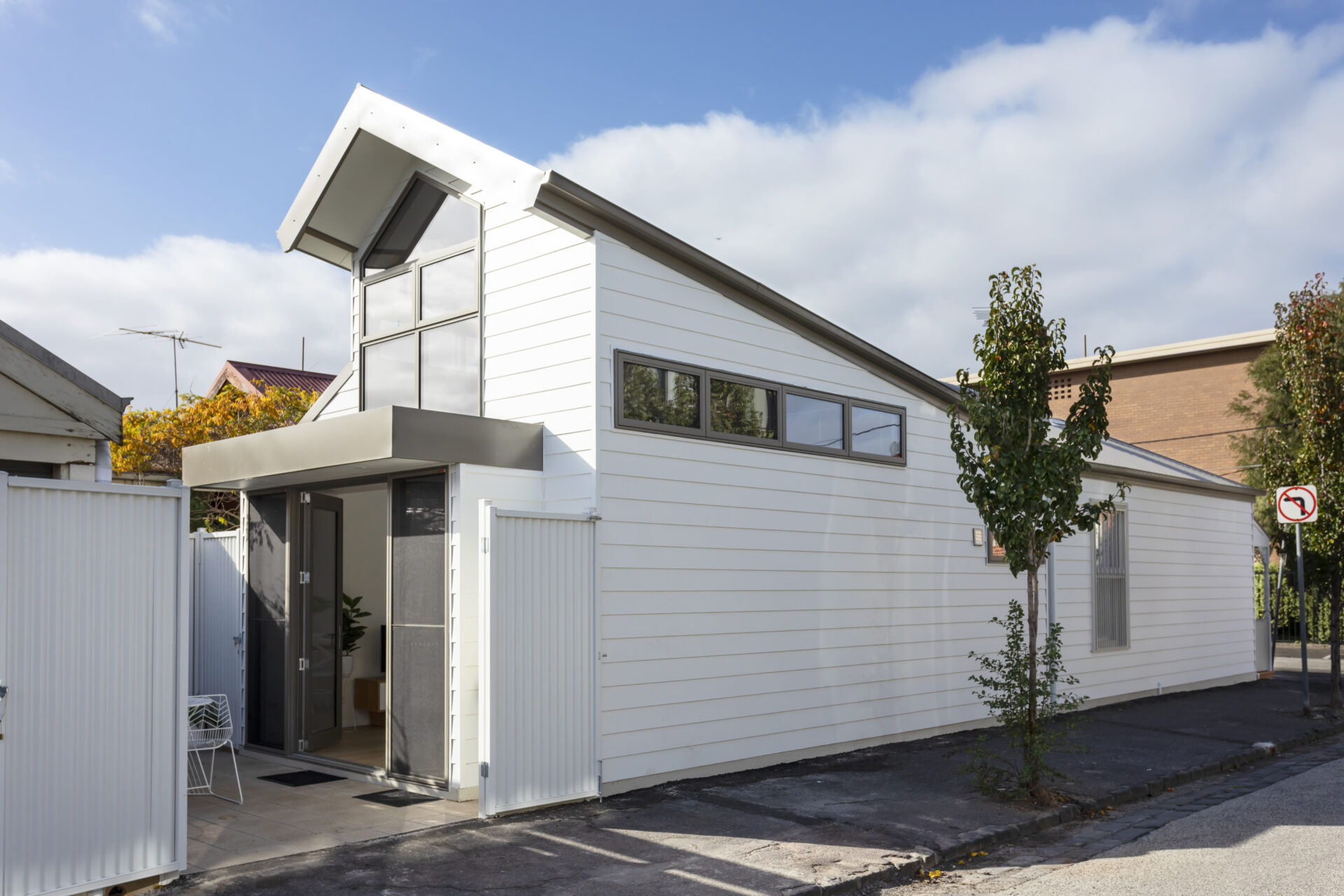
Successful second storey additions in Albert Park and St Kilda read as separate contemporary elements rather than extensions of the original roofline. This design approach demonstrates respect for heritage character while clearly distinguishing new from old. Port Phillip planners respond positively to additions that acknowledge the home’s history rather than attempting to replicate it.
Lightweight materials like zinc or weatherboard gain approval faster than heavy masonry competing with historic facades. These materials signal a considered design approach and create visual separation between your original Victorian structure and the new upper level. The goal is harmony without imitation, and planners recognise genuine design thinking over pastiche.
Window and opening alignment with existing patterns creates visual connection between levels. You do not need to copy heritage details, but thoughtful proportions and placement show respect for your home’s established rhythm. BY Projects Architecture’s approach emphasises maintaining the original roof form visible from the street while maximising usable upper-level floor area, achieving both heritage compliance and practical family space.
Studying recently approved additions in your street through Port Phillip Council’s planning register reveals which materials and setback strategies succeeded locally. This research directly informs your architect’s design direction and demonstrates to planners that you understand neighbourhood expectations.
- Study approved additions in your street through Port Phillip Council’s planning register to see which strategies succeeded
- Engage a heritage consultant early (typical fee: $2,500 to $5,000) for contributory-graded or individually listed properties to compress approval timelines
Navigating Port Phillip Council’s Process
Typical approval timelines for second storey additions on heritage properties in Albert Park and St Kilda conservation zones run 4 to 8 months. Council requires neighbour notification, adding approximately 14 days, and Heritage Victoria referral adds roughly one month for individually heritage-listed properties rather than overlay-only addresses. Understanding these timelines lets you plan realistically rather than hoping for faster outcomes.
Structural engineer reports are mandatory for Victorian homes due to original foundation limitations. Building surveyors require these reports early in the process to assess your home’s capacity for additional load. This is non-negotiable for Victorian-era construction and typically costs $1,500 to $3,000, but prevents costly mid-approval discovery that can derail your project.
BY Projects Architecture has managed dozens of applications within these windows, understanding that realistic timeline knowledge reduces client surprises. Knowing what council needs before you submit means fewer requests for additional information and smoother progression through assessment stages.
Schedule your project allowing 6 to 8 months for approvals before construction begins. This buffer accommodates neighbour notification and any Heritage Victoria referral without timeline pressure that leads to rushed decisions.
- Schedule 6 to 8 months for approvals before construction begins to accommodate all council requirements
- Engage a structural engineer early to assess your home’s capacity and identify any foundation reinforcement needed before council submission
Closing
Your Victorian home in Albert Park or St Kilda can accommodate a second storey addition when you understand Port Phillip Council’s heritage expectations and follow design principles that planners favour. With construction budgets typically ranging $350,000 to $550,000 for quality additions including professional fees, realistic planning from the outset protects your investment. BY Projects Architecture’s 59 heritage projects since 2009, and Barbara Yerondais’s established council relationships, demonstrate that thoughtful navigation of heritage requirements delivers results for Melbourne families.
For a deeper look, visit https://byarchitecture.com.au/claim-your-free-consultation/
Frequently Asked Questions
Q: How long does it take to get approval for a second storey addition in Port Phillip, and what’s the realistic cost?
A: Allow 4–8 months for council approval of heritage additions in Albert Park and St Kilda. Start with a pre-application meeting to clarify your property’s specific overlay status and setback expectations (typically 6–8 metres from street facade). Engage a structural engineer early ($1,500–$3,000) to confirm your Victorian home can support additional load; this step prevents mid-approval delays. Budget $2,500–$5,000 for a heritage consultant if your property is individually listed or contributory-graded. Construction budgets range $350,000–$550,000 for quality build-out including professional fees. These timelines and costs are achievable in Port Phillip’s conservation zones when experienced guidance is applied early.
Q: Do I really need a heritage consultant, or can I navigate council requirements myself?
A: While pre-application meetings with council are free or low-cost, a heritage consultant becomes invaluable for individually listed or contributory-graded properties. They understand Port Phillip planners’ specific visual and material preferences—knowledge that often compresses approval timelines by clarifying expectations before detailed plans are drawn. For overlay-only properties with straightforward setback requirements, your architect may handle council liaison effectively; for complex additions, professional heritage guidance typically saves time and reduces revision cycles.
Q: What happens if council rejects my application after I’ve invested in design fees?
A: This is rare when pre-application meetings happen first. Council planners will flag deal-breakers—unsuitable materials, excessive street-facing bulk, or structural concerns—before you commission detailed drawings. A structural engineer’s early assessment prevents discoveries mid-approval; their report either confirms your home’s capacity or identifies reinforcement needed before planning submission. By Projects has managed dozens of Port Phillip applications precisely because early professional conversations answer “Will this get approval?” before significant fees accumulate.
Q: What’s my first step if I think my Victorian home could have a second storey addition?
A: Check your property’s heritage grading on Port Phillip Council’s heritage database to understand whether you’re in an overlay zone or have individual listing status. Then book a free pre-application meeting with council (or contact an architect experienced with Port Phillip heritage process) to discuss your concept and confirm what setback and material expectations apply to your street. This single conversation addresses “What will council approve?” and gives you realistic direction before engaging other professionals.
Want to Learn More?
We’ve drawn on decades of experience navigating Port Phillip’s heritage overlay process to create this comprehensive guide for Melbourne homeowners. Our approach is grounded in real projects, council relationships, and the practical realities of adding to heritage homes in Albert Park, St Kilda, and surrounding conservation zones.
Citations
- Planning Practice Note 1: Applying the Heritage Overlay — This Victorian Government guidance establishes the framework Port Phillip Council uses to assess heritage additions. It confirms that overlays guide design rather than prevent development, and reinforces the importance of visual recession and material compatibility in upper-level additions. https://www.planning.vic.gov.au/guides-and-resources/guides/planning-practice-notes/applying-the-heritage-overlay
- Heritage Owner’s Guide – Heritage Overlay — This Melbourne City Council resource provides practical steps for homeowners in heritage-listed or overlay zones, confirming typical pre-application processes and the role of professional consultation in streamlining approvals. https://www.melbourne.vic.gov.au/heritage-owners-guide-heritage-overlay
- Heritage and Planning — This resource outlines broader heritage assessment criteria used across Victorian councils, supporting the emphasis on character retention and contemporary design separation in second storey additions. https://www.melbourne.vic.gov.au/heritage-and-planning
These guidelines reflect the 2025 Port Phillip Council heritage overlay process, informed by Planning Practice Note 1: Applying the Heritage Overlay (2018) and local conservation zone requirements specific to Albert Park and St Kilda East.
If you’d like to explore your home’s potential for a second storey addition, visit https://byarchitecture.com.au/claim-your-free-consultation/ to book your free consultation with BY Projects.
Adding a second storey to your Victorian home in Albert Park or St Kilda is achievable—but it requires understanding what Port Phillip planners actually approve and having experienced guidance from the first conversation. BY Projects has successfully navigated 59 heritage projects since 2009, including 29 under Port Phillip heritage overlay conditions, meaning we know exactly which design principles, materials, and setback strategies gain approval. Your next step is a straightforward conversation about your property’s potential, realistic timeline, and budget. When you’re ready to move forward with confidence, we’re here to guide you through the process.
Conclusion
Adding a second storey to your Victorian home in Albert Park or St Kilda is not only possible but increasingly common among Melbourne families who understand Port Phillip Council’s heritage overlay process. The key lies in respecting setback requirements of 6 to 8 metres from your street facade, choosing lightweight contemporary materials that distinguish new from old, and engaging experienced professionals who know what planners approve. With realistic timelines of 4 to 8 months for approvals and construction budgets ranging $350,000 to $550,000, thoughtful planning from the outset protects both your investment and your home’s heritage character. BY Projects Architecture’s track record of 59 heritage projects since 2009 demonstrates that Melbourne homeowners can achieve substantial new living space while preserving the Victorian charm that makes these inner suburbs so desirable.