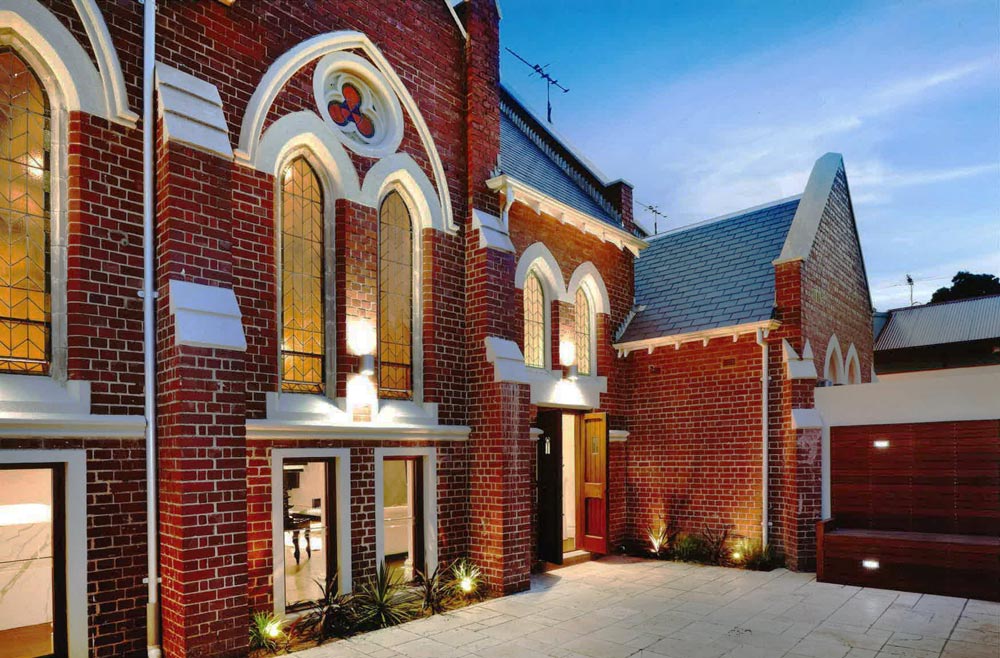
Heritage residential projects hold a unique place in the world of architecture and design. As these homes are slightly older and more traditional, they tell unique stories through their design, materials and architectural details, they also often reflect a specific era or cultural identity. Renovating or restoring a heritage property can be deeply rewarding, but it also comes with challenges that are often best handled by experienced heritage architects in Melbourne.
Things such as building regulations and aging materials mean that you need to strike a careful balance between preservation and modern living. Understanding these challenges and their solutions can help to ensure a successful project.
Navigating Heritage Regulations and Laws
A common challenge in heritage residential projects is working within local regulations and guidelines. Many heritage homes are protected by laws that limit what can be altered, ensuring that traditional features are preserved.
These rules are essential to protect historical value, but they can pose significant challenges if you have a specific design idea in mind. When working on a heritage property, it’s important to plan the project taking any restrictions into consideration and be prepared for changes or unexpected challenges.
A way to manage these challenges is to conduct a lot of research when you are in the planning stages of the project. Engaging with consultants who specialise in heritage properties from the outset can help to highlight any challenges you may face and what is permissible.
Having clear documentation and well thought out design proposals alongside a willingness to compromise can often streamline the process – think of regulations as a framework rather than an obstacle.
Unexpected Challenges in Aging Structures
Older homes can be beautiful due to their abundance of character and charm, but they can sometimes have structural issues or other problems which aren’t immediately visible. Decaying timber, outdated wiring, poor insulation and uneven foundations are common discoveries when a renovation begins, so it is always an advantage to go into the project with an open mind and expect challenges along the way.
By anticipating challenges and allowing a little extra budget and time, it can prevent your plans from being completely derailed.
Another way to anticipate potential challenges is to conduct a thorough building assessment before starting work. Structural engineers and building inspectors who are experienced with heritage properties can identify potential risks early, so that these can be budgeted for and incorporated into your plan.
If repairs are needed, it’s possible to use modern techniques to fix the problems without compromising on the appearance or character of the building, it’s also important to address any issues fully to maintain the safety of the building.
Finding the Balance Between Modern Comfort and Historical Charm
Nowadays we expect comfort, efficiency and convenience in our homes, and these are features which older homes weren’t designed to accommodate. Integrating modern amenities such as heating, air conditioning and modern electrical systems can be challenging, especially during a heritage home renovation where original features need to be protected.
By creating thoughtful and well considered design solutions, this balance can be achieved. Custom features and hidden services can allow for modern functionality to coexist with traditional charm. Many successful heritage projects seamlessly blend old and new features so that traditional elements stand out whilst the modern parts remain complementary.
Sourcing Quality Materials and Skilled Craftmanship
Achieving a good match between original materials and new ones can be a major challenge in heritage projects for architecture firms. Many older homes have handmade bricks or unique finishes which are no longer mass produced, so it can take significant work to source new substitutions which are a good match with the older ones.
A solution to this problem can be to source reclaimed materials or commissioning custom made replacements. Larger investment is required, but the result is a beautiful renovation which respects the authenticity of the home and preserves the historical value.
Conclusion
Heritage residential projects require careful planning, awareness of building regulations, and a well thought out design approach from BY Architecture. Challenges such as structural issues, material sourcing and hurdles in building laws can occur, but with the right planning they are possible to get past.
Heritage homes can be adapted for modern living without losing their authenticity or compromising on modern amenities particularly when the project is approached with the care expected from specialist heritage architects. And When done well, these projects ensure that the building’s story continues for years to come.