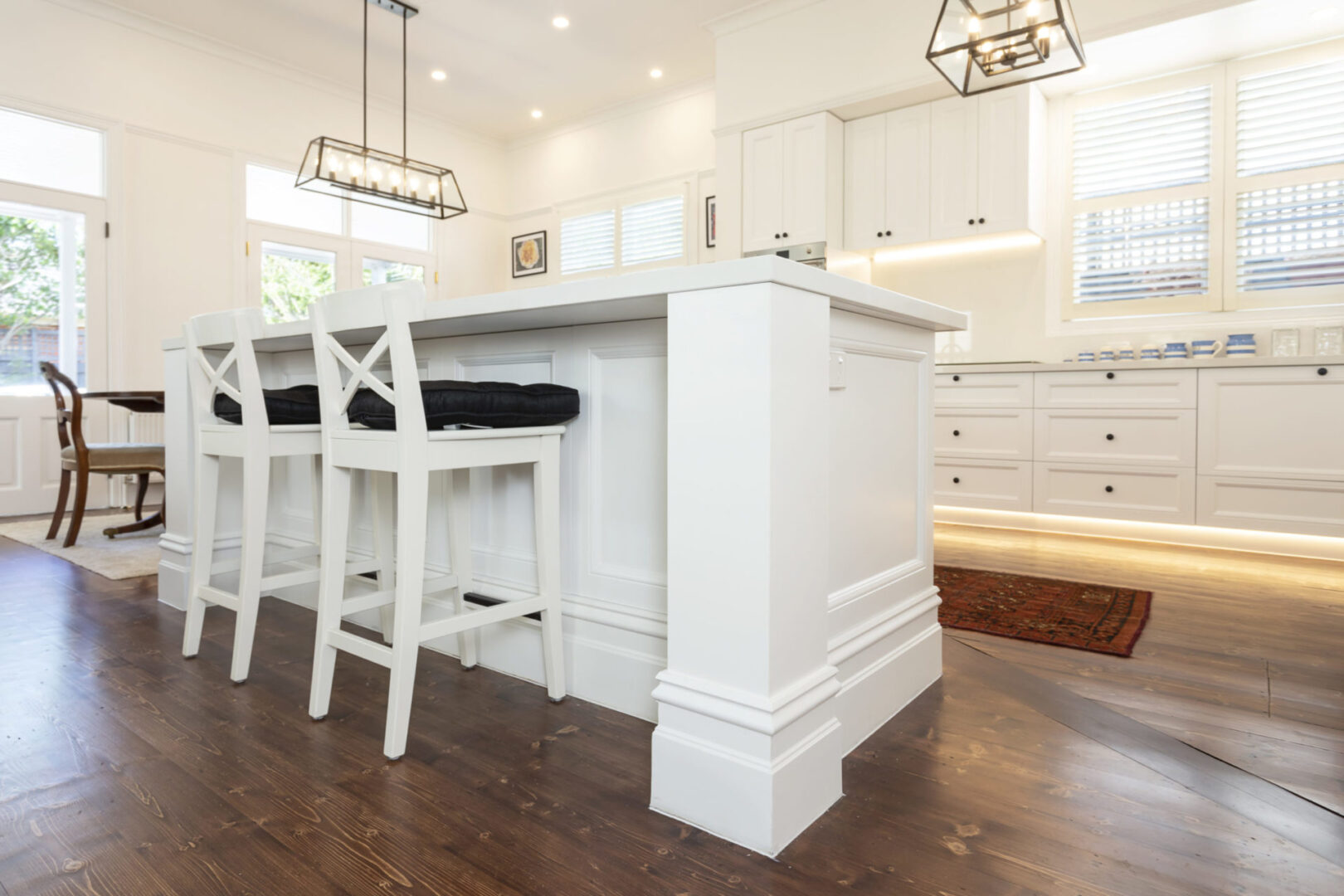
Answering: What can I do with my Edwardian home in Melbourne’s eastern suburbs?
Estimated reading time: 10 min read
Yes, you can do a great deal with your Edwardian home in Melbourne’s eastern suburbs, from substantial rear additions and second-storey extensions to complete internal reconfigurations, with heritage overlays proving far more permissive than most owners expect across Hawthorn, Kew, Camberwell and Canterbury. Edwardian properties built between 1901 and 1918 offer distinct advantages over their Victorian predecessors, including higher ceilings of 3.0 to 3.3 metres, wider hallways of 1.2 to 1.5 metres, and deeper blocks that provide genuine space for modern pavilion additions. Based on BY Projects Architecture’s 59 heritage projects across Melbourne’s overlay zones, Edwardian homes consistently deliver more renovation opportunity per square metre than Victorian-era stock, with better orientation, superior original construction techniques, and heritage provisions that actively encourage thoughtful contemporary additions.
You might be hesitant to proceed because heritage overlays sound restrictive, and stories of rejected applications or years-long approval processes circulate through dinner party conversations across Boroondara. The fear of investing in plans only to have council refuse your vision is entirely reasonable. Many owners assume their heritage-listed home means nothing beyond paint colours can change without bureaucratic intervention.
The reality is that success depends on understanding how heritage provisions actually work rather than what rumour suggests. Boroondara Council distinguishes between facade preservation and rear-of-site flexibility. Internal modifications, contemporary additions behind the main ridge line, and even second storeys are regularly approved when the approach demonstrates heritage literacy. Your property’s specific grading, whether contributory or significant, determines the approval pathway rather than imposing blanket restrictions.
This guide walks through the specific advantages Edwardian homes hold over Victorians, clarifies the heritage permissions that exist across Hawthorn, Kew, Camberwell and Canterbury, and explains what different precincts allow based on established precedent. Consider it your foundation for informed conversations with council and architects alike.
Key Insights
- Edwardian homes typically sit on blocks 15 to 20 metres deeper than Victorian counterparts in the same precincts, creating genuine extension space within heritage constraints.
- Contemporary materials like steel and glass are actively encouraged by councils for additions that clearly distinguish new from old.
Keep reading for full details below.
Table of Contents
- Why Edwardian Homes Offer More Than Victorians
- Heritage Overlay Permissions You Didn’t Know Existed
- Suburb-Specific Opportunities Across Eastern Melbourne
- Closing
- Frequently Asked Questions
- Want to Learn More?
- Citations
Why Edwardian Homes Offer More Than Victorians
The architectural DNA of Edwardian homes creates renovation advantages that Victorian properties simply cannot match. Ceiling heights of 3.0 to 3.3 metres versus Victorian’s 2.7 to 3.0 metres deliver substantially more vertical opportunity for mezzanines, raised living areas, and generous window proportions in new additions. This extra headroom translates directly into design flexibility when creating contemporary spaces that feel proportionally correct alongside period rooms.
Edwardian floor plans already incorporate wider hallways and better cross-ventilation design, reducing the structural intervention needed during open-plan conversions. Where Victorian renovations often require significant load-bearing wall removal and complex engineering, Edwardian properties tend to flow more naturally into contemporary living configurations. Building science principles informed early 20th-century construction in ways that align with modern sustainability requirements.
North-facing rear gardens appear more commonly in Edwardian layouts, particularly among Grace Park Edwardians in Hawthorn. This orientation allows modern living extensions to capture winter sun without major site reorientation, reducing both design complexity and construction costs. Federation-era building techniques also used superior damp-proofing and foundations compared to earlier Victorian construction, meaning fewer hidden remediation surprises during renovation.
Block depth proves crucial for heritage addition feasibility. Edwardian properties typically occupy blocks 15 to 20 metres deeper than Victorian counterparts in the same precincts, providing genuine pavilion-addition space within heritage overlay constraints. This depth makes the difference between a modest kitchen extension and a substantial contemporary living wing that genuinely expands your home’s functionality.
To understand your starting position:
- Measure your ceiling heights and hallway widths, comparing against Victorian benchmarks of 2.7 to 3.0 metres and 0.9 to 1.1 metres respectively
- Check your home’s orientation and block dimensions using the Boroondara property report to establish extension potential before engaging a heritage architect
Heritage Overlay Permissions You Didn’t Know Existed
Boroondara’s heritage grading system allows substantial rear additions on contributory properties when street view is preserved. Second-storey additions are regularly approved when set behind the main ridge line and invisible from the street, a provision that surprises owners who assumed any upward expansion was prohibited. BY Projects Architecture has navigated 29 projects under overlays across Port Phillip, Yarra, Boroondara and Stonnington councils, finding consistent approval pathways for well-designed additions.
Internal modifications face no heritage restrictions beyond facade rooms in most Boroondara overlays. Kitchens, bathrooms, and internal walls can be reconfigured for contemporary living without external approval delays. This means your heritage home’s interior can function as a completely modern dwelling while the streetscape presentation remains respectfully preserved.
Contemporary materials like steel and glass are actively encouraged for additions that clearly distinguish old from new construction. This approach appears throughout Hawthorn East Heritage Gap Study precedents, where councils have approved additions that make no attempt to mimic period detailing. Rather than faux-Victorian extensions that age poorly, honest contemporary design receives consistent support when it demonstrates respect for the original building’s character.
Attic conversions within existing roof space offer cost-effective bedroom or study expansion without ridge-line intervention. Properties in Kew Federation areas, Camberwell Tara Estate, and Canterbury precincts have established precedent for these conversions, providing additional living space at substantially lower cost than external additions.
Steps to clarify your permissions:
- Check your property’s specific heritage grading on Boroondara’s overlay map to confirm contributory or significant status
- Document existing non-original additions that could be replaced without heritage impact, supporting faster approval timelines
Suburb-Specific Opportunities Across Eastern Melbourne
Grace Park Edwardians in Hawthorn allow generous rear pavilion additions of typically 6 to 8 metres depth due to deep blocks and established approval precedent. These substantial modern living extensions remain feasible while preserving streetscape character, making Hawthorn one of Melbourne’s most opportunity-rich precincts for heritage-sensitive contemporary additions.
Kew Federation homes near Studley Park often permit underground garaging with garden restoration above. This solution provides off-street parking without visible streetscape change or heritage overlay conflict, addressing one of the most common constraints owners face in period precincts where carriage ways and traditional garaging were never part of the original design.
Camberwell’s Tara Estate properties can add substantial contemporary wings while preserving streetscape character. Numerous approved precedents demonstrate successful modern and heritage integration within the estate’s design guidelines, providing clear evidence of what councils will support. Canterbury’s period homes between Maling and Canterbury Roads have established precedent for modern attic conversions and roof-space expansions, offering bedroom and study additions without street-view impact.
Quality heritage-sensitive renovations in these suburbs typically budget $800 to $1,200 per square metre for contemporary additions, compared to $600 to $800 for standard new construction, reflecting heritage-specific materials and compliance documentation.
To explore your suburb’s precedent:
- Walk your neighbourhood noting successful renovations that respect heritage character and photograph contemporary additions that appeal to you
- Request free pre-application heritage advice from Boroondara Council for feasibility confirmation specific to your property grading
Closing
Your Edwardian home in Melbourne’s eastern suburbs holds genuine renovation potential when approached with heritage literacy and era-specific design understanding. The combination of generous original proportions, permissive overlay provisions, and established approval precedent across Hawthorn, Kew, Camberwell and Canterbury creates opportunity for thoughtful expansion that respects what you already have while delivering contemporary functionality. The first step is understanding exactly what your specific property and grading allow.
For a deeper look, visit https://byarchitecture.com.au/renovation-architects-melbourne/
Frequently Asked Questions
Q: Can I add a second storey to my heritage-listed Edwardian home?
A: Yes—second storeys are regularly approved when set behind the main ridge line and invisible from the street, particularly for Edwardian homes in Hawthorn, Kew, Camberwell and Canterbury. Use contemporary materials like steel and glass to distinguish new from old construction; this approach is actively encouraged by Boroondara Council. Ensure the addition respects the original roof form when viewed from side boundaries. Consider attic conversions within existing roof space as a lower-cost alternative that avoids ridge-line complications. Always obtain heritage advisor input before lodging formal plans—BY Projects Architecture’s 29 overlay-project experience can clarify approval likelihood at your fixed-fee assessment stage.
Q: How do I know if a heritage architect is right for my Edwardian renovation?
A: Look for practitioners with demonstrated experience across multiple heritage overlay zones and established relationships with your local council. Your architect should understand building science alongside heritage principles—not just render-driven design. Request to see completed projects in your suburb or similar precincts; precedent approvals matter. A quality heritage consultant will spend time understanding your property’s original character through hand-drawn assessment before proposing solutions, ensuring the soul of your home is preserved rather than compromised by generic contemporary additions.
Q: How long does heritage approval typically take for Edwardian home renovations?
A: Council pre-application meetings (available free through Boroondara Council Planning Services) typically take 2–4 weeks and provide invaluable early feedback on feasibility and timeline. Formal heritage approvals for rear additions usually range from 8–12 weeks once complete documentation is lodged, though this varies by council and proposal complexity. Having your original building plans on hand accelerates assessment by 2–3 weeks. Budget conservatively; straightforward attic conversions or internal modifications move faster than second-storey additions requiring ridge-line assessment.
Q: What’s the first step if I’m considering an Edwardian home renovation in Melbourne?
A: Start by measuring your ceiling heights and hallway widths to understand your starting advantages—Edwardian properties typically offer 3.0–3.3 metre ceilings and 1.2–1.5 metre hallways, substantially more generous than Victorian counterparts. Check your property’s heritage grading on Boroondara’s Heritage Overlay map to determine whether you hold ‘contributory’ or ‘significant’ status; this determines what additions are permissible. Then schedule a fixed-fee heritage assessment with an experienced architect who can translate those measurements and gradings into concrete design possibilities specific to your property, budget and lifestyle.
Want to Learn More?
We’ve drawn on 35 years of heritage practice and 59 completed projects across Melbourne’s overlay zones to create this comprehensive guide for eastern suburbs homeowners. Understanding what’s genuinely possible with your Edwardian home requires era-specific expertise and established council relationships—not generic renovation advice.
Citations
- “Boroondara Heritage Planning” — Boroondara Council’s official heritage planning resource confirms the overlay system, grading classifications, and approval pathways for contributory and significant properties across Hawthorn, Kew, Camberwell and Canterbury. This is your foundation for understanding what’s permitted on your property. https://www.boroondara.vic.gov.au/planning-building/heritage
- “Boroondara Heritage Overlay and Heritage Grading Map” — This interactive tool allows you to verify your property’s specific heritage status and grading before engaging an architect, eliminating uncertainty about addition permissions and material requirements for your Edwardian home renovation. https://www.boroondara.vic.gov.au/services/planning-and-building/heritage/boroondara-heritage-overlay-and-heritage-grading-map
- “Hawthorn East Heritage Gap Study” — This council-adopted precedent document demonstrates approved contemporary additions, material strategies and second-storey approaches specific to Grace Park Edwardians, providing real-world examples of what’s achievable in your neighbourhood. https://www.boroondara.vic.gov.au/sites/default/files/2019-01/hawthorn-east-heritage-gap-study-post-preliminary-consultation-adopted-version-3.pdf
All heritage-sensitive renovation work across Boroondara, Yarra, Port Phillip and Stonnington councils is governed by the Victorian Heritage Act 2017 and Planning Scheme Clause 43.01 (Heritage Overlay)—understanding these frameworks ensures your project respects both legal requirements and the craftsmanship that makes your Edwardian home worth preserving.
If you’d like to learn more, visit https://byarchitecture.com.au/renovation-architects-melbourne/ to explore how we approach Edwardian home renovations in Melbourne’s eastern suburbs.
Your Edwardian home holds genuine renovation potential—more than you might realise when comparing it to Victorian-era stock. The combination of higher ceilings, wider hallways, deeper blocks and surprisingly permissive heritage overlays creates real opportunity for contemporary living without compromising the character you love. Rather than navigate approval uncertainty alone, a fixed-fee heritage assessment with experienced practitioners gives you clarity on cost, timeline and design possibility before you commit further. We’ve walked this path across 59 heritage projects and 29 overlay-approved additions—the difference between a renovation that works and one that stumbles often comes down to understanding your specific property’s potential early. Ready to move forward?
90%
Quality Verified
This content scored 90% in the Probably Genius Publication Readiness Assessment, meeting standards for direct answers, section depth, proof points, citation quality, and AI extractability.