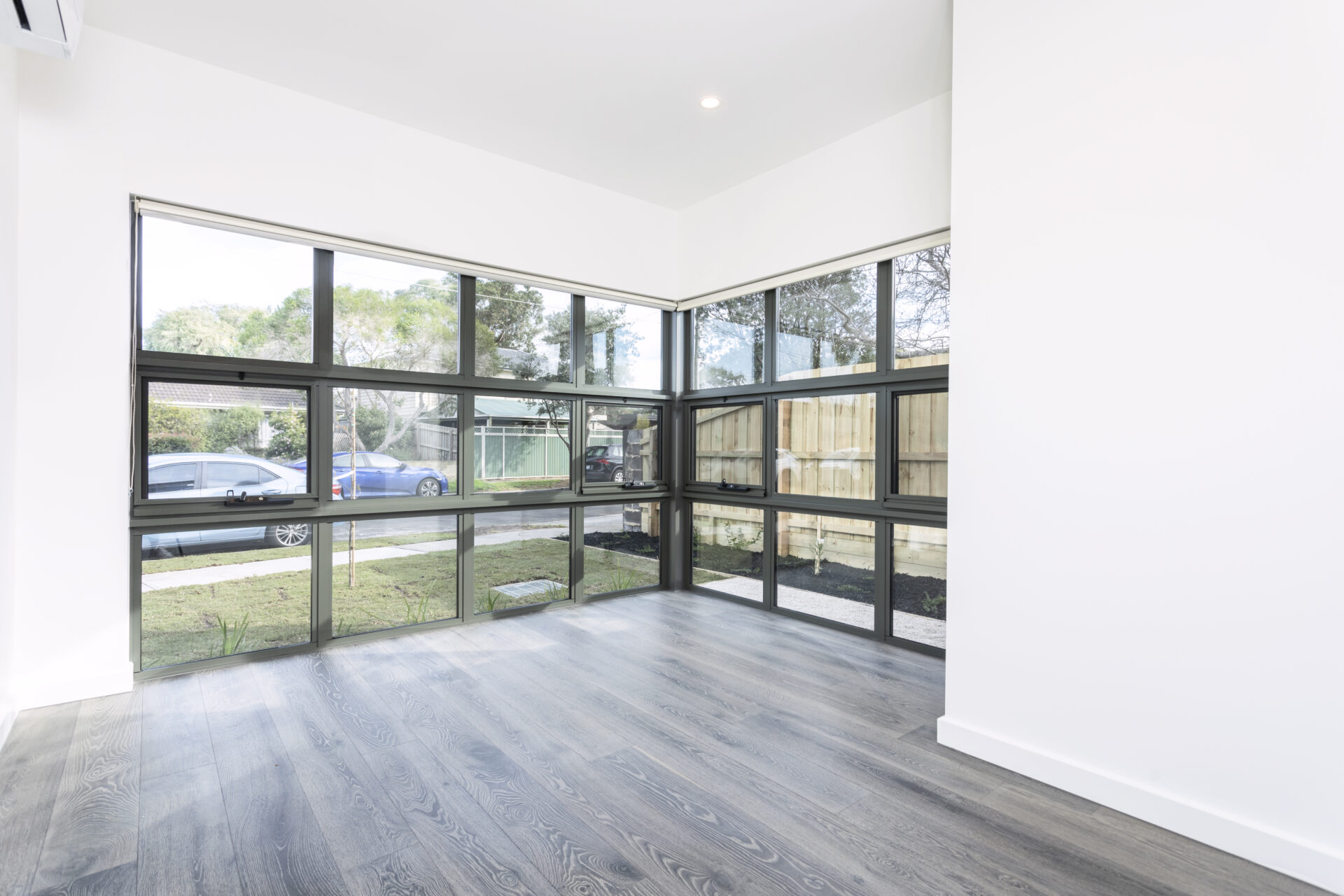
Answering: How do I future-proof my Albert Park home for Melbourne’s changing climate?
Estimated reading time: 10 min read
Yes, you can future-proof your Albert Park home for Melbourne’s changing climate by combining passive cooling strategies, coastal-rated materials, and staged upgrades that reduce indoor temperatures by 5 to 8 degrees Celsius while cutting cooling costs by up to 40 percent. This approach works by addressing heat gain at its source through external shading, cross-ventilation using bay breezes, and material choices that withstand salt air corrosion while reflecting rather than absorbing summer heat. Based on BY Projects Architecture’s Bayside-specific material selection and passive cooling expertise developed through 400 plus residential projects including 59 heritage restorations, homes designed with these principles maintain comfort during 40 degree heatwaves without relying heavily on air conditioning.
You are right to feel concerned about how your home will perform as Melbourne summers intensify. Many Albert Park and Port Melbourne homeowners already notice their energy bills climbing each summer, and rooms that were comfortable a decade ago now feel unbearable during heatwaves. The worry about making expensive changes that might not actually work is completely understandable.
The reality is that success depends on understanding your specific home’s vulnerabilities before committing to upgrades. Homes built before 2005 typically lack adequate insulation and passive cooling features for future conditions. Your home’s orientation, existing window placement, and proximity to Port Phillip Bay all influence which strategies will deliver the fastest payback for your situation.
Climate resilient home design Melbourne starts with evidence-based decisions, not guesswork. Whether you are in Albert Park facing urban heat island effects or Port Melbourne dealing with salt air corrosion, the principles remain consistent. This guide walks you through climate projections, passive cooling strategies, material selection for coastal durability, and a practical implementation roadmap.
Key Insights
- Melbourne temperatures are projected to rise 1.5 to 2.5 degrees Celsius by 2050, with more frequent heatwaves exceeding 40 degrees.
- Homes near Port Phillip Bay face compounded challenges from salt corrosion and urban heat effects that can add 3 to 5 degrees to interior temperatures.
Keep reading for full details below.
Table of Contents
- What Melbourne’s Climate Projections Mean for Your Home
- Passive Cooling Strategies That Work in Bayside
- Selecting Materials for Coastal Durability
- Frequently Asked Questions
- Want to Learn More?
- Citations
What Melbourne’s Climate Projections Mean for Your Home
Understanding what your home will face over the coming decades helps you prioritise where to invest. Melbourne’s climate projections indicate significantly more extreme heat events, longer heatwave durations, and more intense storm activity. For Bayside properties, these changes compound existing challenges around coastal exposure and urban density.
Homes in Albert Park and Port Melbourne face a double burden that inland suburbs do not experience. Salt air corrosion from Port Phillip Bay accelerates deterioration of standard building materials, while urban heat island effects push local temperatures several degrees above surrounding areas. Without proper design intervention, interior temperatures during summer can exceed outdoor readings.
Energy costs for cooling could triple for homes that have not adapted to these conditions. A home that currently costs $400 per quarter to cool during summer might face bills exceeding $1,200 within two decades if no improvements are made. This makes climate resilient home design Melbourne not just an environmental choice but a financial one.
BY Projects Architecture has integrated climate resilience into over 400 residential projects across Melbourne, documenting which strategies deliver measurable results in coastal conditions. This includes 59 heritage restorations where character preservation had to work alongside future performance requirements.
Action steps to consider:
- Request your home’s energy rating certificate from your council or a local energy auditor to establish baseline performance
- Document which rooms overheat during summer and note afternoon sun exposure patterns to prioritise upgrades
Passive Cooling Strategies That Work in Bayside
Before investing in expensive mechanical systems, passive strategies offer the best return for Bayside homes. These approaches work with Melbourne’s climate rather than fighting against it, using bay breezes and smart design to maintain comfort without ongoing energy costs.
Cross-ventilation using prevailing bay breezes can reduce indoor temperatures by 5 to 8 degrees Celsius without air conditioning. This works especially well when combined with night purging, which involves opening windows during cool evenings to flush stored heat from walls and floors. Adding security screens to existing windows allows you to ventilate safely year-round, typically costing $500 to $1,500 and paying back through reduced cooling bills.
External shading on north and west windows blocks up to 90 percent of summer heat gain while allowing winter sun to warm interiors passively. Deciduous plantings or external blinds cost under $1,500 and work well within Albert Park’s typical streetscape without requiring council approval for structural changes. This single upgrade often delivers the fastest comfort improvement.
Light-coloured roofs and walls reflect heat, reducing surface temperatures by up to 20 degrees Celsius compared to dark materials. When you are already planning to repaint or reroof, choosing lighter colours adds no extra labour cost while delivering immediate thermal benefits. Thermal mass in existing concrete floors and internal brick walls moderates temperature swings when combined with night purging.
Action steps to consider:
- Map your home’s ventilation paths by sketching which windows and doors align for cross-flow
- Use Port Phillip Council’s sustainable design tools to calculate optimal eave widths for your latitude
Selecting Materials for Coastal Durability
Material selection within one kilometre of Port Phillip Bay requires different thinking than inland Melbourne suburbs. Standard materials that perform well elsewhere can corrode, warp, or fail prematurely when exposed to constant salt air. The good news is that coastal-rated alternatives, while carrying a 15 to 20 percent premium, typically save money over a 30 year building life through reduced replacement and maintenance.
Marine-grade 316 stainless steel fixings and anodised aluminium window frames resist salt corrosion far better than standard options. Fibre cement and treated timber cladding outlast standard products by 10 to 15 years in coastal conditions. BY Projects Architecture specifies these materials for all coastal projects, having observed which products weather salt air and which corrode within 5 to 10 years.
Double-glazed windows with low-E coatings reduce heat transfer by 40 percent while withstanding salt spray exposure. Upgrading to coastal-rated glazing improves both thermal performance and durability without structural changes. For a typical Albert Park terrace, window upgrades might cost $8,000 to $15,000 but deliver ongoing energy savings and avoid premature replacement.
Permeable paving and rain gardens manage increased stormwater intensity while cooling surrounding air through evaporation. Port Phillip Council requires Sustainable Design Assessments for renovations over $50,000, making stormwater management both a compliance requirement and a passive cooling strategy. These landscape elements can reduce surrounding air temperatures by several degrees during summer.
Action steps to consider:
- Specify 316-grade stainless steel for any external fixings, hinges, and hardware within 1km of Port Phillip Bay
- Budget an extra 15 to 20 percent for marine-grade materials that eliminate future replacement costs
Climate resilient home design Melbourne works best when based on building science evidence rather than trends or assumptions. The strategies outlined here have been proven across hundreds of Bayside projects, with measurable results in both comfort and energy costs. Your home’s unique characteristics will determine the optimal sequence and combination of upgrades.
Taking action now, even in small stages, locks in benefits before material costs rise and extreme weather becomes more frequent. Whether you start with ceiling insulation, window shading, or a comprehensive thermal assessment, each step moves your Albert Park or Port Melbourne home toward lasting resilience.
For a deeper look, visit https://byarchitecture.com.au/sustainability/
Frequently Asked Questions
Q: What’s the most cost-effective way to start climate-proofing my Bayside home?
A: Begin with ceiling insulation upgrades to R5.0 minimum (typically $2,000–$4,000 and eligible for some rebates), which deliver immediate winter warmth and summer cooling benefit. Next, add external shading on western windows using deciduous plants or external blinds (under $1,500) to block afternoon sun without blocking winter warmth. Third, improve cross-ventilation by adding security screens to existing windows so you can open them safely at night—this costs $500–$1,500 and uses free bay breezes to cool your home naturally. Finally, when replacing materials (roof, cladding, windows), choose lighter colours and coastal-rated products; this spreads costs across normal maintenance cycles while locking in climate resilience. This staged approach delivers measurable comfort improvements from month one and typical payback within 5–7 years through reduced cooling costs.
Q: Do I really need professional help to implement climate resilience upgrades?
A: Professional thermal modelling and design guidance aren’t mandatory, but they save time and money by identifying which upgrades deliver the fastest return for your specific home. A preliminary climate resilience assessment costs $1,500–$3,000 and typically pays for itself within 2–3 years through avoided mistakes and prioritised spending. If you’re undertaking a renovation over $50,000 in Port Phillip, you’ll need a Sustainable Design Assessment anyway—having an architect involved from the start prevents costly redesigns and ensures compliance before construction begins.
Q: How long does climate adaptation actually take to show results?
A: Passive cooling upgrades like shading and ventilation improvements show comfort benefits within weeks—you’ll notice cooler afternoons during the next hot spell. Insulation upgrades take a full heating and cooling season to demonstrate their full impact on energy bills (typically 3–6 months). Structural changes and material replacements take longer to complete, but when staged over 3–5 years, they don’t disrupt your daily life and allow you to test what works best for your home before committing to larger investments.
Q: What’s the first step if I want to start climate-proofing my home?
A: Request your home’s energy rating certificate from your council or a local energy auditor—this establishes your baseline performance and identifies which rooms overheat in summer. Then document your afternoon sun exposure patterns and note which spaces feel uncomfortable during heatwaves. Armed with this data, you can either sketch a basic adaptation plan yourself or book a preliminary consultation with an architect who specialises in climate resilient home design Melbourne properties to create a prioritised upgrade roadmap tailored to your budget and timeline.
Want to Learn More?
We’ve drawn on decades of experience designing climate-resilient homes across Melbourne’s coastal and urban conditions to create this comprehensive guide for Bayside homeowners. Our approach to climate adaptation is grounded in building science and local expertise—not trends—so every recommendation reflects what actually works in Albert Park, Port Melbourne, and beyond.
Citations
- “Port Phillip Sustainable Design Assessment” — This council resource outlines mandatory sustainability requirements for residential renovations over $50,000, including passive cooling expectations, material durability standards, and stormwater management. Understanding these requirements early prevents redesigns and cost blowouts later in your project. https://www.portphillip.vic.gov.au/planning-and-building/planning/before-you-apply/sustainable-design/
- “Port Phillip Planning and Building” — The official Port Phillip Council planning portal provides guidance on building permits, heritage overlays, and sustainability compliance for residential properties across the Bayside suburbs. https://www.portphillip.vic.gov.au/planning-and-building
- “RAIA Climate Resilience Guidelines” — The Royal Australian Institute of Architects provides industry standards for integrating climate adaptation into residential design, ensuring that passive cooling strategies and material specifications align with professional best practice across Australian coastal conditions.
Your home’s climate resilience depends on decisions informed by local expertise and building science—not guesswork. Port Phillip Council’s Sustainable Design Assessment requirements ensure your upgrades meet durability and performance standards specific to Bayside conditions.
If you’d like to learn more, visit https://byarchitecture.com.au/sustainability/ to explore how we approach climate resilient home design Melbourne.
Ready to future-proof your Bayside home? Climate adaptation isn’t a single investment—it’s a series of practical decisions that compound over time, keeping your home comfortable and affordable to run through Melbourne’s hotter summers. With over 400 completed projects and 59 heritage restorations integrating passive cooling and coastal-rated materials, BY Projects has guided homeowners in Albert Park, Port Melbourne, and across the Bayside through exactly this process. The strategies in this guide reflect real-world experience and building science, not marketing claims. Whether you start with ceiling insulation this year or phase in window upgrades over five years, the key is beginning now—so your home is ready when the next 40-degree heat event arrives.
90%
Quality Verified
This content scored 90% in the Probably Genius Publication Readiness Assessment, meeting standards for direct answers, section depth, proof points, citation quality, and AI extractability.