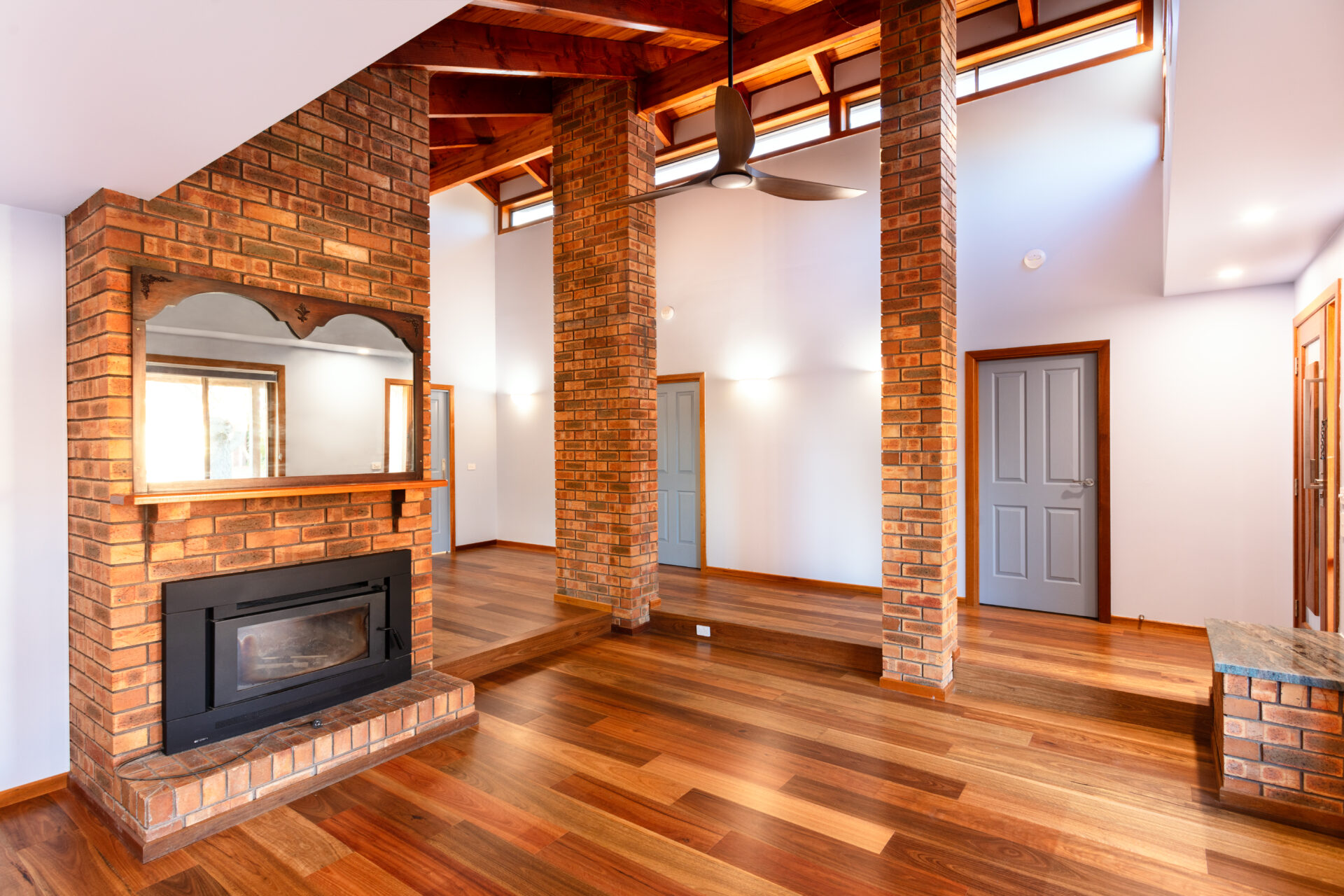
Answering: How do you renovate a heritage home in Toorak, Armadale or Malvern under Stonnington’s controls without losing what makes it valuable?
Estimated reading time: 9 min read
In Stonnington’s most significant suburbs, a heritage renovation succeeds by protecting the street and finding scope at the rear. Toorak, Armadale and Malvern hold some of Melbourne’s grandest Victorian, Edwardian and interwar homes, and a high proportion sit within Heritage Overlay precincts, so the City of Stonnington requires a planning permit under Clause 43.01 of its planning scheme before you demolish, alter an elevation or build new. The pattern that clears council and satisfies a discerning local market is consistent: keep the principal facade and roofline intact, place the contemporary work where it is not read from the street, and argue the design against the property’s grading. Our practice is active across 10-plus Victorian councils, Stonnington among them, and the work begins with reading how your home is graded, then designing to that constraint rather than against it.
You have bought into one of Melbourne’s most considered streetscapes, and the home deserves a renovation that reads as inevitable rather than imposed. The instinct is sound: the value of a Toorak villa or a Malvern Edwardian is partly the period itself, and the market here knows the difference between a sympathetic addition and a clumsy one.
The reality is that the answer depends on your specific property. Whether your home is individually significant or contributory to a precinct, which suburb and precinct it sits in, and how much of the original fabric survives all change what you can do and how the council will assess it.
This is the part of a project we work through with you before the first line is drawn, so the path is clear and the budget is real. Here is how a high-end heritage renovation works across Stonnington’s prestige suburbs.
Key Insights
- A high proportion of Toorak, Armadale and Malvern homes sit in Heritage Overlay precincts, so a planning permit under Clause 43.01 is required to demolish, alter an elevation or build new.
- Stonnington’s controls protect the significance of the place, with the heaviest weight on the principal facade, roofline and intact street presentation.
- The scope for contemporary luxury is usually at the rear and in the interior, where the addition is not read from the public realm.
- Whether your home is individually significant or contributory to a precinct shapes how tightly the original fabric is protected and how the design is argued.
| Suburb | Dominant period & character | Typical heritage status | What owners usually want | The design opportunity |
|---|---|---|---|---|
| Toorak | Grand Victorian and interwar mansions on large garden allotments | Often individually significant or in a precinct; some on the state Register | Generous contemporary living, pool and garaging without diminishing the estate | Substantial rear and basement work behind a protected principal elevation |
| Armadale | Intact Victorian and Edwardian villas and terraces, strong street rhythm | Predominantly precinct-based, many contributory | Open-plan rear, light, and modern services within a period frame | A rear addition that respects the streetscape and the precinct’s pattern |
| Malvern | Edwardian, Federation and interwar homes, leafy uniform streetscapes | Largely precinct-based, contributory; some significant places and flats | Family-scale extension, sustainability upgrades, a considered second storey | Setback contemporary form, sympathetic in scale to neighbouring rooflines |
| Prahran / Windsor | Dense Victorian terraces and workers’ cottages, finer urban grain | Precinct-based, contributory; tight street setbacks | Reworked plan, rear pavilion, and light on a constrained site | Clever rear and roof-form moves where the front is held to the precinct |
Keep reading for full details below.
Table of Contents
- The Character of Stonnington’s Heritage Suburbs
- What Stonnington’s Heritage Controls Actually Mean
- Where the Scope for Contemporary Luxury Sits
- Meeting the Expectations of a Discerning Market
The Character of Stonnington’s Heritage Suburbs
Stonnington holds a concentration of intact period homes that is unusual even by Melbourne standards, and the character changes street by street.
Toorak is the grandest of the four: large garden allotments, Victorian and interwar mansions, and a number of homes carried on the Victorian Heritage Register as well as the local overlay. Armadale runs to intact Victorian and Edwardian villas and terraces with a strong, repeating street rhythm that the council protects as a precinct. Malvern is leafier and more uniform, with Edwardian, Federation and interwar houses, and even some twentieth-century flats folded into its heritage precincts. Prahran and Windsor are finer-grained again: dense Victorian terraces and workers’ cottages on tight setbacks, where the streetscape is the heritage value as much as any single house.
The City of Stonnington has reviewed and extended these protections in recent years, applying the Heritage Overlay to new individually significant places and new precincts and updating the gradings for many existing ones. The practical consequence for an owner is that overlay coverage across these suburbs is high, and the listing on your specific address is the first fact that needs checking, not assuming.
Reading that character correctly is where a renovation starts. Our work across 10-plus Victorian councils, Stonnington among them, is built on understanding what each precinct values before a line is drawn, then designing to it.
What Stonnington’s Heritage Controls Actually Mean
The Heritage Overlay is Clause 43.01 of the Stonnington Planning Scheme, and its job is to protect the significance of the listed place.
Under the overlay you generally need a planning permit from the council to demolish or remove a building, to externally alter it, or to construct a new building. When you lodge, the council weighs whether the proposal will adversely affect the significance, character or appearance of the heritage place, and a heritage-graded property usually requires a report from a qualified heritage consultant assessing that impact. The Schedule to Clause 43.01 is where the detail lives: it lists each place, and for each one it records whether additional controls apply to outbuildings, fences, trees, internal alterations or external paint.
Two distinctions inside the overlay shape everything that follows:
- An individually significant place is of heritage importance in its own right, so its original fabric and principal elevations are protected tightly and demolition of significant fabric is strongly resisted.
- A contributory place matters because it supports the character of a precinct, so assessment leans on how your changes read within the streetscape, and there is often more scope at the rear.
Across both, the constant in Stonnington is intact street presentation. The principal facade, the roof form as seen from the public realm, and the rhythm of the precinct are the elements the council guards most closely, and demolition controls under the Schedule are framed to keep that street reading whole.
This is where reading the grading correctly earns its place. Across more than 200 permit applications, our role is to confirm exactly how a property is listed and what the Schedule controls, so the design is argued against the real constraint rather than a guess.
Where the Scope for Contemporary Luxury Sits
The question affluent owners actually ask is not whether they can renovate, but where the contemporary luxury can go without harming period value.
In Stonnington’s suburbs the answer is consistent. The front rooms, the principal facade and the visible roofline are held, restored and celebrated. The contemporary work, the open living, the kitchen, the pool and garaging, the basement, the considered second storey, is placed where it is not read from the street: at the rear, below ground, or set back and recessive enough that the precinct’s roofscape is undisturbed. On Toorak’s larger allotments that can mean substantial rear and basement scope behind a protected elevation. On a tighter Armadale or Prahran site it means a precise rear pavilion and clever roof-form moves rather than bulk.
Done well, the addition reads as a separate, confident contemporary layer that lets the period home remain the period home. That is a deliberate design strategy, and it tends to clear council more cleanly because it answers the heritage objection inside the drawing rather than fighting it.
There is a building-science dimension too. A grand period home can be cold, draughty and inefficient, and a high-end renovation is the moment to correct it without stripping character. Barbara’s years lecturing Building Science at RMIT and the University of Melbourne inform how we improve thermal performance, glazing and services in a heritage shell, so the result is built for living, not just photos. The aim is a home that is generous and contemporary to live in, and recognisably itself from the street.
Meeting the Expectations of a Discerning Market
In these suburbs the heritage controls and the market expectation point in the same direction, which is unusual and useful.
Buyers and neighbours in Toorak, Armadale and Malvern can read a renovation. A clumsy addition that crowds a facade or breaks a roofline is penalised twice: the council resists it, and the local market discounts it. A sympathetic, well-resolved renovation that protects the period home and adds genuine contemporary amenity is rewarded on both fronts. So the discipline the overlay imposes is also the discipline the prestige market respects, and treating the controls as a design brief rather than a hurdle is what protects your investment.
Getting there is mostly anticipation. Much of our work is foreseeing what a Stonnington heritage advisor or an adjoining owner will raise, and resolving it in the design before it becomes an objection, so a substantial application is decided cleanly rather than dragged out. With fixed-fee certainty, you also know the cost of that work at the outset rather than dreading the next invoice.
None of this is a promise of a particular council outcome; every property and precinct is different. What it is, is a way of working that takes the constraint seriously and turns it into the source of the design, which is exactly what a home in these streets deserves.
Closing
Renovating a heritage home in Toorak, Armadale or Malvern is rarely about doing less. It is about reading Stonnington’s grading and Schedule correctly, holding the street presentation that carries the period value, and placing the contemporary luxury where it belongs, so the home is both grander to live in and recognisably itself. For a deeper look, visit our process page to see how we approach the heritage and planning stage before design begins.
Frequently Asked Questions
Q: Do I need a planning permit to renovate a heritage home in Toorak, Armadale or Malvern?
A: In most cases, yes. A high proportion of homes in these suburbs sit within a Heritage Overlay, and under Clause 43.01 of the Stonnington Planning Scheme you generally need a planning permit from the council to demolish, externally alter or build new, plus a building permit for the construction itself. The first step is to confirm exactly how your specific address is listed and what the Schedule controls.
Q: How much can I change at the rear of a Stonnington heritage home?
A: Often more than owners expect, provided the change is not read from the street. Stonnington’s controls focus on protecting the principal facade, the visible roofline and the precinct’s street presentation, so a well-set-back or below-ground addition at the rear can carry substantial contemporary living. The available scope depends on whether your home is individually significant or contributory, the size of the allotment and the Schedule controls on your place.
Q: What is the difference between an individually significant and a contributory home?
A: An individually significant place is of heritage importance in its own right, so its original fabric and principal elevations are protected tightly. A contributory place is valued for supporting the character of a precinct, so assessment leans on how your changes read within the streetscape, and there is usually more scope at the rear. That single distinction shapes how the design must be argued to council.
Q: Can a heritage renovation also improve comfort and energy performance?
A: Yes, and a high-end renovation is the right moment to do it. Thermal performance, glazing and services can be substantially improved within a period shell without stripping its character, and the contemporary parts of the home can be designed to a modern standard. Our approach is informed by Barbara’s years lecturing Building Science, so the result is comfortable and efficient as well as faithful to the period.
Want to Learn More?
With more than 35 years designing within Melbourne’s heritage suburbs, BY Projects Architecture treats Stonnington’s controls as part of the design, not a hurdle bolted on at the end. The clearer the constraints at the start, the better the home at the finish.
Citations
- “Heritage guidelines and overlays” — City of Stonnington. Confirms that the council protects locally significant places through the Heritage Overlay and explains the distinction between significant and contributory buildings within a precinct. https://www.stonnington.vic.gov.au/Planning-and-building/Planning/For-applicants/Heritage-guidelines-and-overlays
- “Schedule to Clause 43.01 Heritage Overlay” — Stonnington Planning Scheme. Lists each heritage place in Stonnington and records whether additional controls apply to outbuildings, fences, trees, internal alterations and external paint. https://planning-schemes.app.planning.vic.gov.au/STONNINGTON/ordinance/43.01-s
- “Victorian Local Heritage Guidelines” — Planning Victoria. The current State guidance (which replaced Planning Practice Note 01) for assessing local heritage significance and applying the Heritage Overlay, including the significance gradings that shape what can be built. https://www.planning.vic.gov.au/guides-and-resources/council-resources/victorian-heritage-guidelines
- “Local heritage protection” — Planning Victoria. Confirms that for properties in a Heritage Overlay a planning permit is generally needed for demolition, external alterations and new construction, assessed against the impact on the significance of the place. https://www.planning.vic.gov.au/guides-and-resources/guides/all-guides/local-heritage-protection
These are the official Victorian and Stonnington sources that govern heritage renovation in Toorak, Armadale and Malvern: Clause 43.01 and its Schedule in the Stonnington Planning Scheme, the council’s heritage guidelines, and Planning Victoria’s local heritage protection provisions.
Active across 10-plus Victorian councils, Stonnington among them, our work is to turn a strict heritage overlay into a clear design strategy, so your renovation protects the period value of a Toorak, Armadale or Malvern home while making it generous and contemporary to live in.
92%
Quality Verified
This content scored 92% in the Probably Genius Publication Readiness Assessment, meeting standards for direct answers, section depth, proof points, citation quality, and AI extractability.