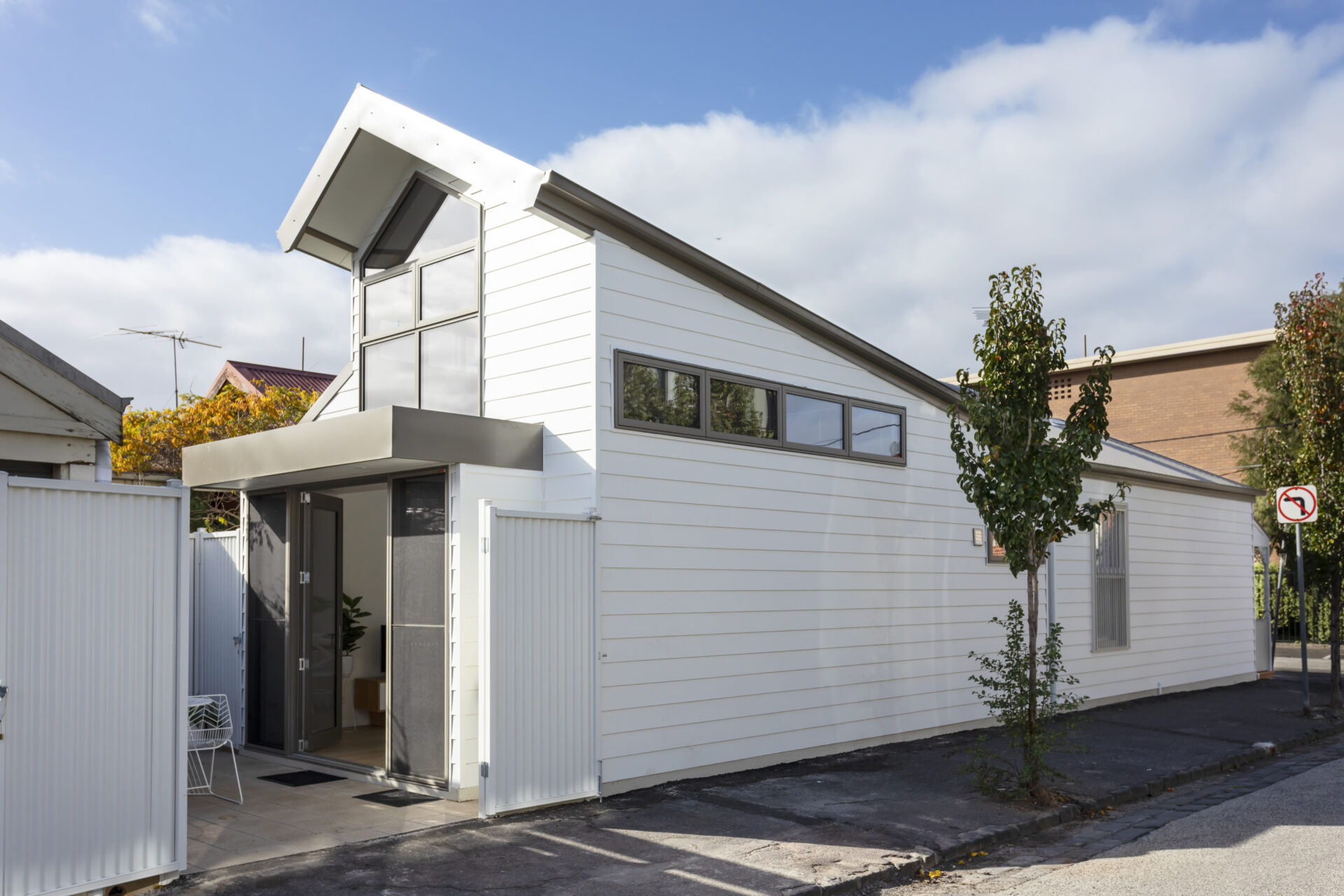
Answering: How do architects handle difficult or sloping sites for Victorian extensions?
Estimated reading time: 6 mins
Professional architects successfully handle difficult sloping sites for Victorian extensions through comprehensive structural analysis and specialized engineering solutions that reduce costs by up to 30% compared to standard approaches. The process combines geotechnical investigation, heritage-sensitive design, and split-level configurations to maximise both functionality and aesthetic appeal. Based on BY Projects Architecture’s portfolio of over 400 projects across Melbourne’s bayside suburbs, this systematic approach has proven particularly effective in Port Phillip and Williamstown, where complex terrain and heritage considerations intersect.
Managing a sloping site extension for your Victorian home can feel overwhelming, especially when considering structural requirements, heritage preservation, and budget constraints. Many homeowners worry about excessive costs, council approval complications, and potential damage to their period home’s character. These concerns are completely valid, particularly in Melbourne’s established suburbs where site access and soil conditions add extra complexity.
The reality is that successful sloping site extensions depend on thorough preliminary planning, expert engineering input, and deep local knowledge. Soil composition, gradient severity, and drainage patterns all influence design possibilities. Heritage overlay requirements and local council regulations further shape what’s achievable on your specific block.
Melbourne’s bayside suburbs present unique challenges for Victorian home extensions on sloping sites, from sandy soil conditions to strict heritage controls. This guide walks you through proven approaches for transforming difficult sites into practical, beautiful living spaces while preserving architectural character.
Key Insights
- Comprehensive structural analysis and geotechnical investigation can reduce sloping site construction costs by 25-35% compared to reactive solutions
- Split-level designs strategically minimise excavation requirements, often reducing earthworks costs by $15,000-25,000 in Melbourne’s bayside suburbs
- Early professional assessment can save $30,000-50,000 in preventable structural modifications through proper soil stability and drainage planning
- Port Phillip and Williamstown require specialized knowledge of sandy fill management, groundwater considerations, and heritage streetscape requirements
- Coordinated engineering integration into architectural plans prevents costly revisions and provides clarity during the approval and construction process
Keep reading for full details below.
- What Sloping Sites Really Mean
- Our Step-by-Step Approach
- Melbourne Bayside Realities
- Frequently Asked Questions
- Want to Learn More?
- Conclusion
Quick Insights: Careful planning and appropriate design strategies can reduce sloping site construction costs by 25-35% compared to reactive solutions. Professional architectural expertise helps navigate complex approval processes while protecting your investment. Keep reading for the complete guide.
What Sloping Sites Really Mean
Understanding your sloping site’s true implications starts with comprehensive structural analysis. Melbourne’s varying soil conditions and gradients require specific engineering solutions, with shallow footings and enhanced drainage systems often necessary for Victorian-era homes. Professional assessment can identify opportunities to reduce construction costs while preserving heritage features.
Geotechnical investigation reveals crucial information about soil stability, drainage patterns, and load-bearing capacity. These factors directly influence foundation design and construction methods, potentially saving $30,000-50,000 in preventable structural modifications later. Split-level designs often emerge as optimal solutions, working with the natural topography rather than against it.
Victorian homes present additional considerations, including protecting original timber floors and maintaining heritage streetscape requirements. Early identification of these factors helps prevent costly surprises during construction and ensures compliance with local heritage controls.
- Schedule a detailed site survey
- Obtain geotechnical assessment
- Check local planning overlays
Our Step-by-Step Approach
Successful sloping site projects begin with coordinated geotechnical testing and drainage assessment. This systematic process has proven effective across 235+ residential projects throughout Melbourne, particularly in challenging bayside conditions. Each stage builds on verified data to create robust, practical solutions.
Split-level designs strategically minimise excavation requirements, often reducing earthworks costs by $15,000-25,000 in Port Phillip and Williamstown contexts. This approach maintains street presence while maximising natural light and views, creating harmony between old and new elements.
Documentation integrates engineering recommendations directly into architectural plans, ensuring compliance with current building standards. This coordination prevents costly revisions during the approval process and provides clarity for builders during construction.
- Request detailed cost analysis
- Review drainage strategies
- Confirm engineering integration
Melbourne Bayside Realities
Port Phillip’s unique geological conditions demand specialized knowledge of sandy fill management and groundwater considerations. Salt exposure and wind impact require careful material selection and additional protective measures for Victorian-era buildings.
Heritage streetscape requirements in areas like Williamstown significantly influence design possibilities. Understanding these constraints early helps develop solutions that satisfy both council requirements and modern living needs while managing costs effectively.
Local council regulations often require specific retaining wall designs and drainage solutions. Early consultation with authorities can prevent delays and reduce compliance-related expenses, typically saving $8,000-12,000 in redesign costs.
- Organise comprehensive soil testing
- Arrange council pre-application meeting
- Plan for site-specific engineering
For experienced guidance with your sloping site extension, visit https://byarchitecture.com.au/residential-architects-melbourne/
Frequently Asked Questions
Q: Do I need a retaining wall, or can I use a batter on a sloping block?
A: Consult an engineer after comprehensive soil testing. The slope angle, soil composition, and available space determine safe options. Prioritise drainage, boundary compliance, and material durability. Retaining walls might be necessary near boundaries, but batters can be an alternative in certain conditions.
Q: Why should I engage professional help for sloping site architecture?
A: Engaging experienced professionals like BY Projects Architecture ensures that complex sloping site challenges are addressed comprehensively. Our expertise in structural integrity and heritage preservation helps convert difficult sites into functional and aesthetic living spaces while adhering to local regulations.
Q: How long might it take to complete a sloping site extension?
A: The timeframe for a sloping site extension in Melbourne can vary based on factors like site complexity and council approvals. Typically, the process can take several months from planning through to completion, providing detailed planning and geotechnical assessments are undertaken early on.
Q: What is the first step in beginning a consultation for a sloping site project?
A: The first step is to book an initial consultation with a firm like BY Projects Architecture. During this meeting, you can discuss your site’s specific challenges, project goals, and budget, paving the way for a tailored architectural plan that meets both practical and aesthetic needs.
Want to Learn More?
We’ve drawn on decades of experience and industry expertise to create this comprehensive guide for Melbourne homeowners.
Citations
- “Exact Costs of Building on a Slope” — Details the financial aspects of building on a sloping site, highlighting factors that may influence costs. https://ryconbg.com.au/custom-home-builders/exact-costs-of-building-on-a-slope-in-melbourne/
- “Design and Construction Standards” — Outlines Melbourne’s regulations that ensure safe and compliant building practices. http://www.melbourne.vic.gov.au/building-and-development/standards-specifications/Pages/design-standards.aspx
- “Manual Geotechnical Design Standard” — Provides minimum requirements for geotechnical investigations, crucial for ensuring structural safety on sloped sites. https://www.tmr.qld.gov.au/_/media/busind/techstdpubs/geotechnical/geotechdesignstandardminreq.pdf
The City of Melbourne Design and Construction Standards are essential for understanding local compliance in site works and drainage requirements, ensuring your project adheres to necessary guidelines.
Conclusion
Ready to transform your sloping site? We’re here to guide you through every design challenge with practical, heritage-sensitive solutions. With 400+ completed projects, including 59 heritage renovations, and a strong building-science approach, BY Projects Architecture ensures structural integrity and client satisfaction. Our focus on collaborative and budget-conscious designs makes us the trusted choice for sloping site architecture in Melbourne. Embark on your architectural journey with us today, and let’s turn your unique site into a home that fits your lifestyle and preserves its historical charm.