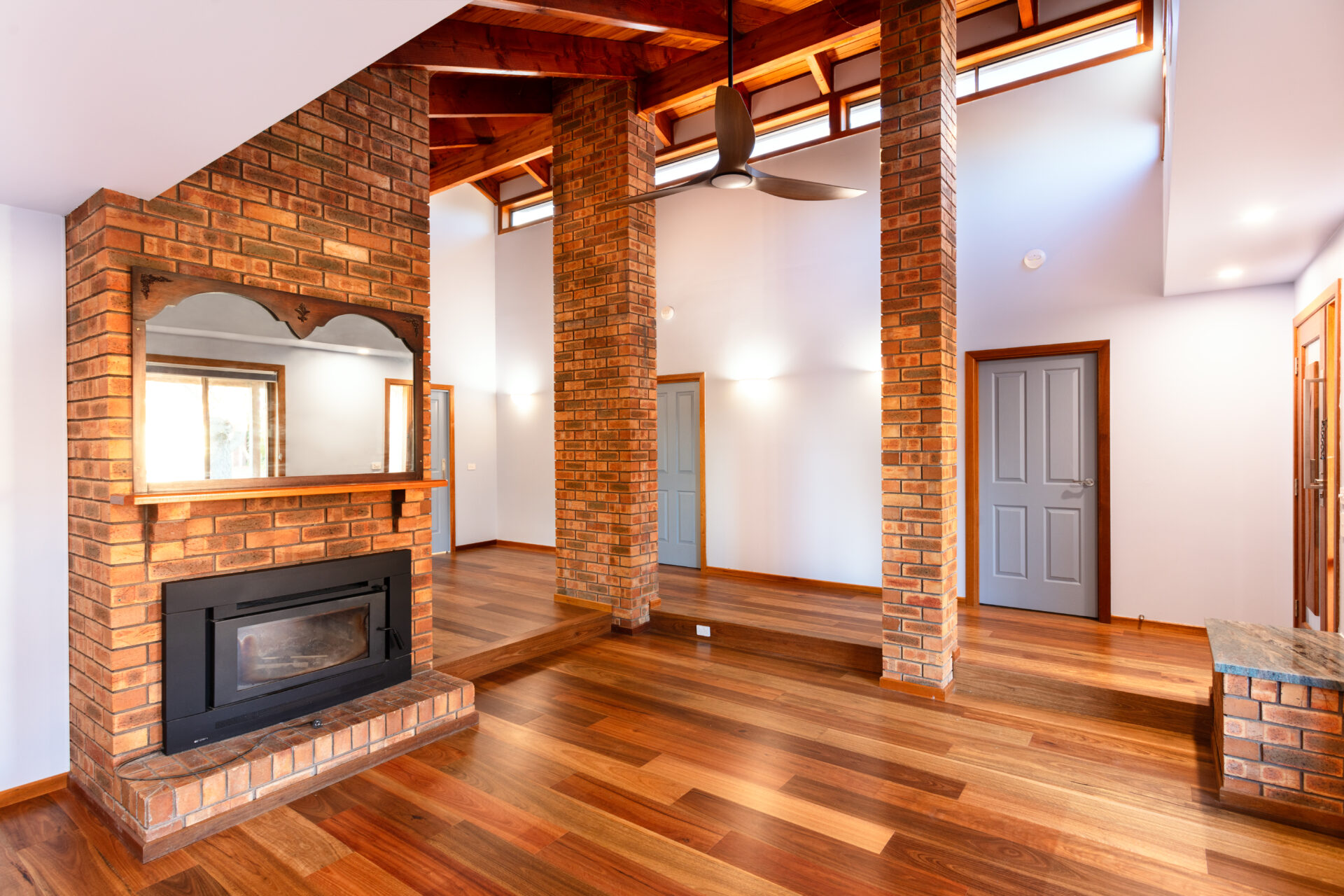
Renovating and then living in a period home is a unique experience that more people are looking for. Period homes are naturally rich in character, craftsmanship, and timeless aesthetics, and most owners are looking for ways to stylishly introduce modern touches too. Introducing some modern style can be done in a way that doesn’t destroy the original charm but improves the functionality of your period home and adds some of your own personality to it.
A good first step is to research the historical architecture of your home and decide which key elements you should preserve and where you can adjust to a new style. For example, if your home is from the Victorian period, its key aspects will be high ceilings, decorative gables, and often stained-glass windows and intricate patterned plasterwork.
If you’re a novice when it comes to history and architectural styles, an architect can help talk you through which elements are traditional, and once you get to the design stage with them, they will make sure to leave these touches intact. They are also sure to have undertaken similar projects, so they can give you good tips on bringing in modern styles.
Key approaches to blending styles:
- Keep historical elements like ornate plasterwork and stained glass intact, then pair them with modern touches such as blinds or painted exteriors
- Balance intricate period details with clean, minimalist lines like plain light-toned counters or simple furniture
- Create open-plan spaces where possible to bring in natural light—a hallmark of modern design. If removing walls isn’t feasible, consider removing doors or adding mirrors to reflect existing light
Tips for Choosing the Best Colour Palette for Your Home
The colour palette is one of the most important tools to combine traditional and modern styles. As we mentioned above, brightness is a key modern design aspect. Many people choose to stick to white or other pale neutral wall colours as this brightens the home. It also highlights traditional aspects such as wooden floors and brickwork, so it’s a way to bring a new style while respecting the period touches. If you don’t want such a contrast, consider muted colours like olive greens and pale blues. These still highlight traditional touches, especially wood, but allow you to express some of your own personal taste.
Some people choose to leave certain rooms completely period in style, while giving others a modern look. In these cases, colour can be used to distinguish between the two. For example, rich bold colours give a period feel, so a living room with a traditional fireplace could have navy blue or deep red walls and other accents to highlight the period aspects, while the kitchen that’s been modernised could be bright white to show the difference between the two.
To tie different styles together:
- Include small period touches like antique brass handles in modern spaces, or contemporary storage solutions in traditional rooms
- Keep flooring consistent throughout—the same material or similar colours and finishes will help blend the two styles seamlessly
How to Subtly Introduce Modern Technology
You want the charm of a period home but the benefits of modern living, what do you do? It takes some planning to ensure you don’t ruin the classic style of your home. However, there are ways to bring in modern tech thoughtfully.
Smart ways to disguise technology:
- Place TVs within wall recesses or cover them with artwork when not in use
- Hide smaller speakers in ceiling or wall lighting, particularly within detailed period fixtures
- Install underfloor heating to reduce visible radiators
- Incorporate smart lighting into period fixtures for traditional charm with modern function
Where the tech can’t be hidden, consider minimalist options that don’t disrupt the traditional style too much. For example, if you need to install an extractor fan, choose one that’s flush to the wall. For your hob, consider a frameless induction hob that would blend seamlessly into dark countertops.
For other modern touches that are harder to hide, such as the thermostat or a smart hub, consider placing them in a room that’s not commonly used if you’d like guests to be wowed by the traditional style when they first come into your home. With all modern technology, it’s best to bring it up with your architect early on so they can come up with some creative ways to hide wiring and other obviously modern touches and ensure your technology goals are met.
Following these tips can help you renovate your period home with confidence and seamlessly blend modern twists in without affecting the charm, style, or property value of the period aspects. Working with an architect on a renovation is always best, especially when you’re looking to preserve delicate traditional details.
At BY Projects Architecture, we enjoy designing and overseeing ambitious period renovations, and we’d love to help you with yours, too. Read more about our previous renovation projects and book a free consultation here.