
A surgical reconfiguration that reconciles 1960s suburban bones with high-performance modern living.
The Constraint
The property was a typical Melbourne triple-fronted brick veneer home that had seen zero intervention in 60 years. The brief required a major renovation and extension to accommodate a growing young family, but the budget was modest. The primary challenge was to declutter a cramped internal layout and add essential bedrooms and bathrooms without the cost-prohibitive nature of a full demolition.
The Resolution
A “Footprint-First” strategy that prioritized the repurposing of existing volumes. By enclosing an underutilized rear patio, we converted a dead space into a primary lounge and dining area, topped with clerestory windows for northern light. This move allowed the original living room to be converted into a fourth bedroom with an ensuite, effectively transforming a 3-bed cottage into a 4-bed family home through internal intelligence rather than external excess.
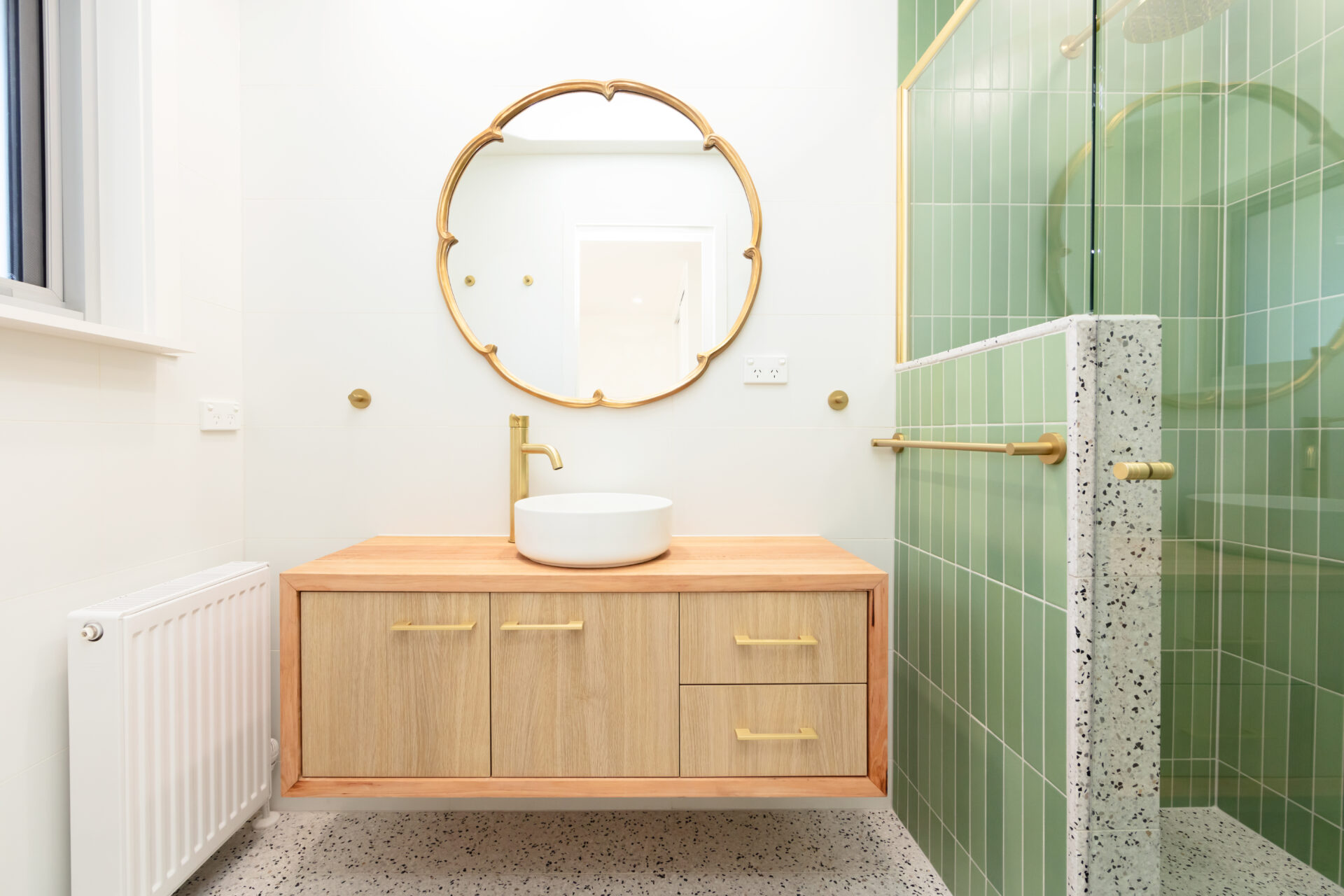
MATERIAL SYNERGY / CUSTOM JOINERY & TERRAZZO INTEGRATION
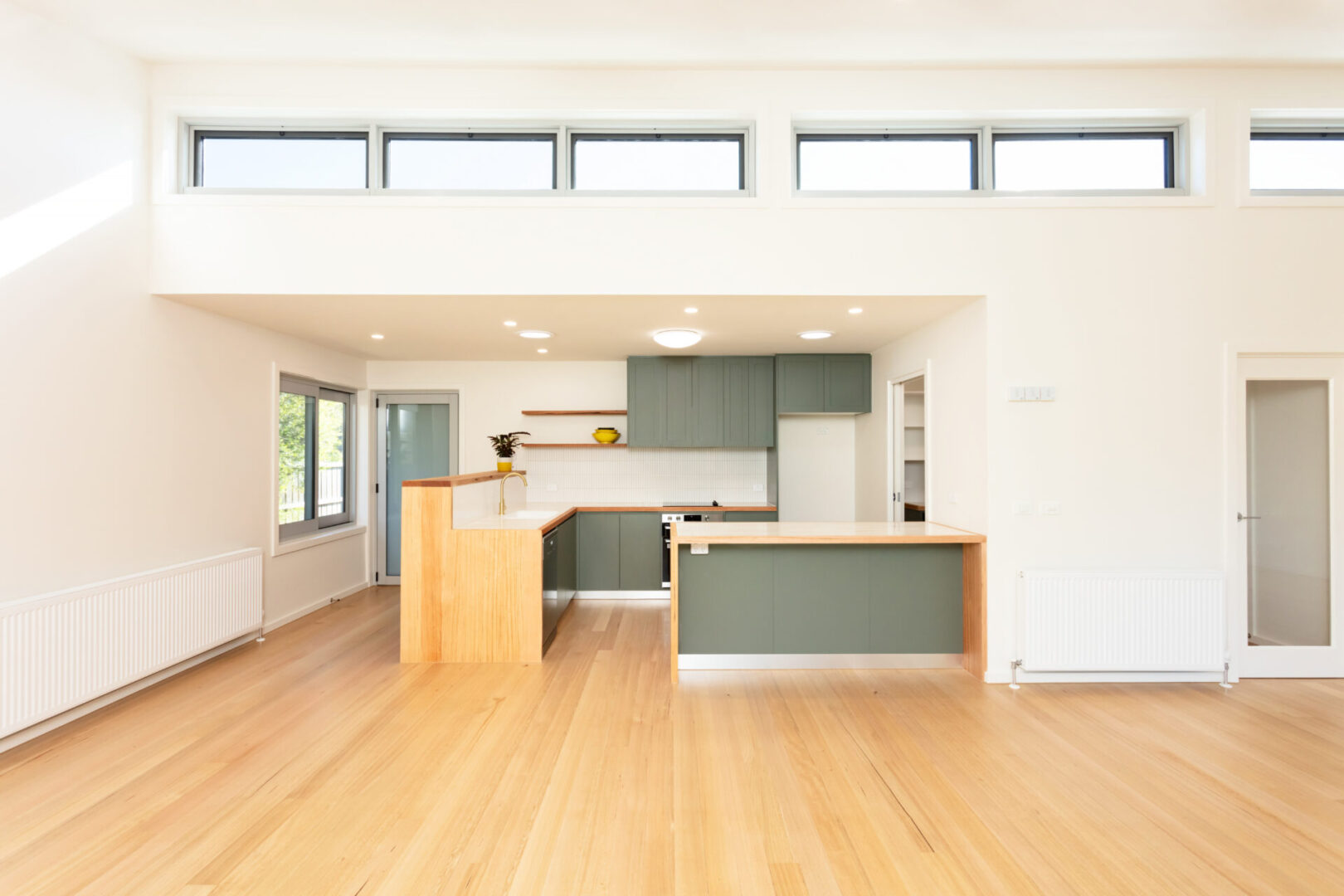
INTERNAL DECLUTTERING / RECONFIGURED VOLUMETRIC FLOW
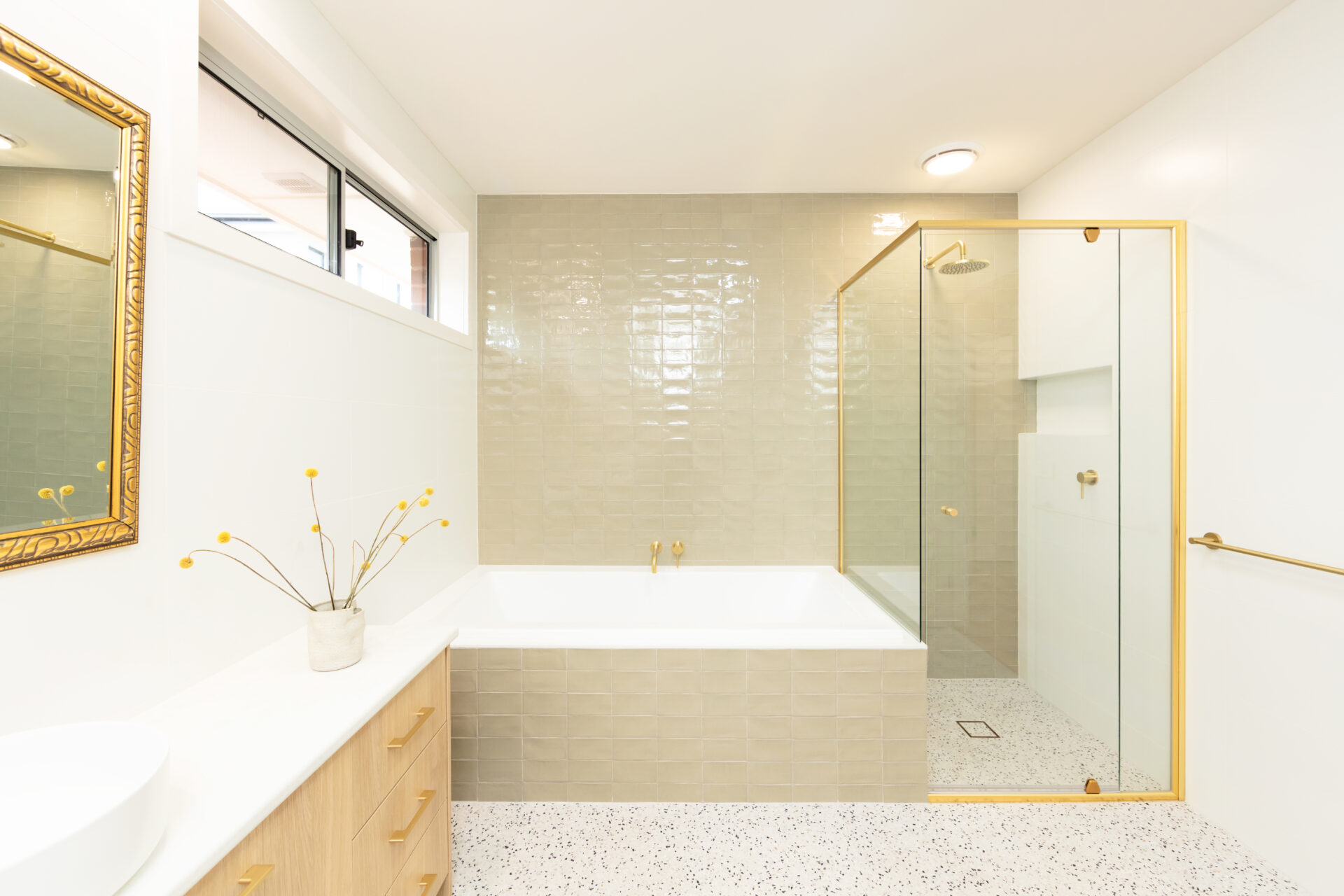
YIELD MAXIMIZATION / ADAPTIVE RESIDENTIAL REUSE
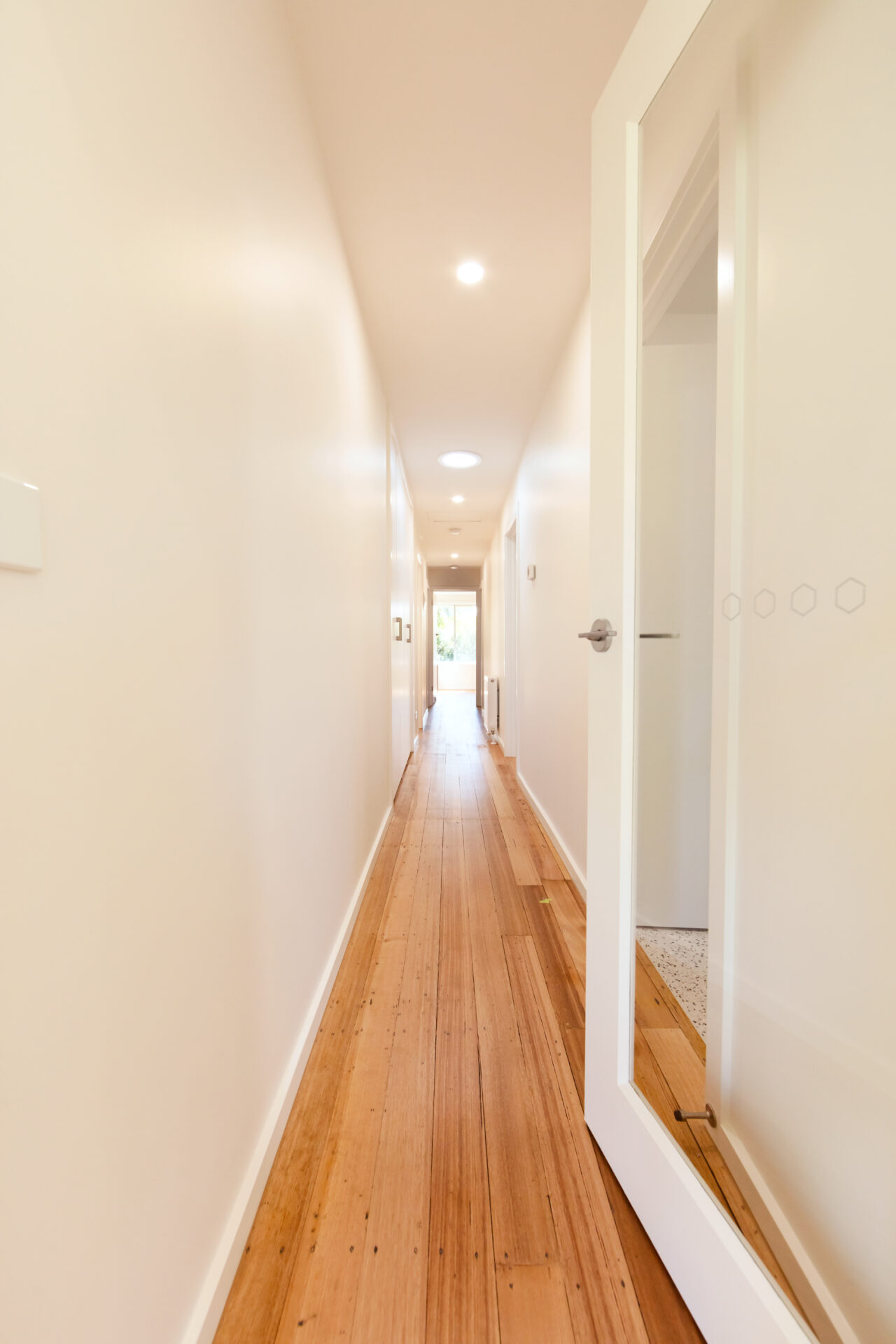
SUBURBAN ADAPTATION / REPURPOSED FOOTPRINT
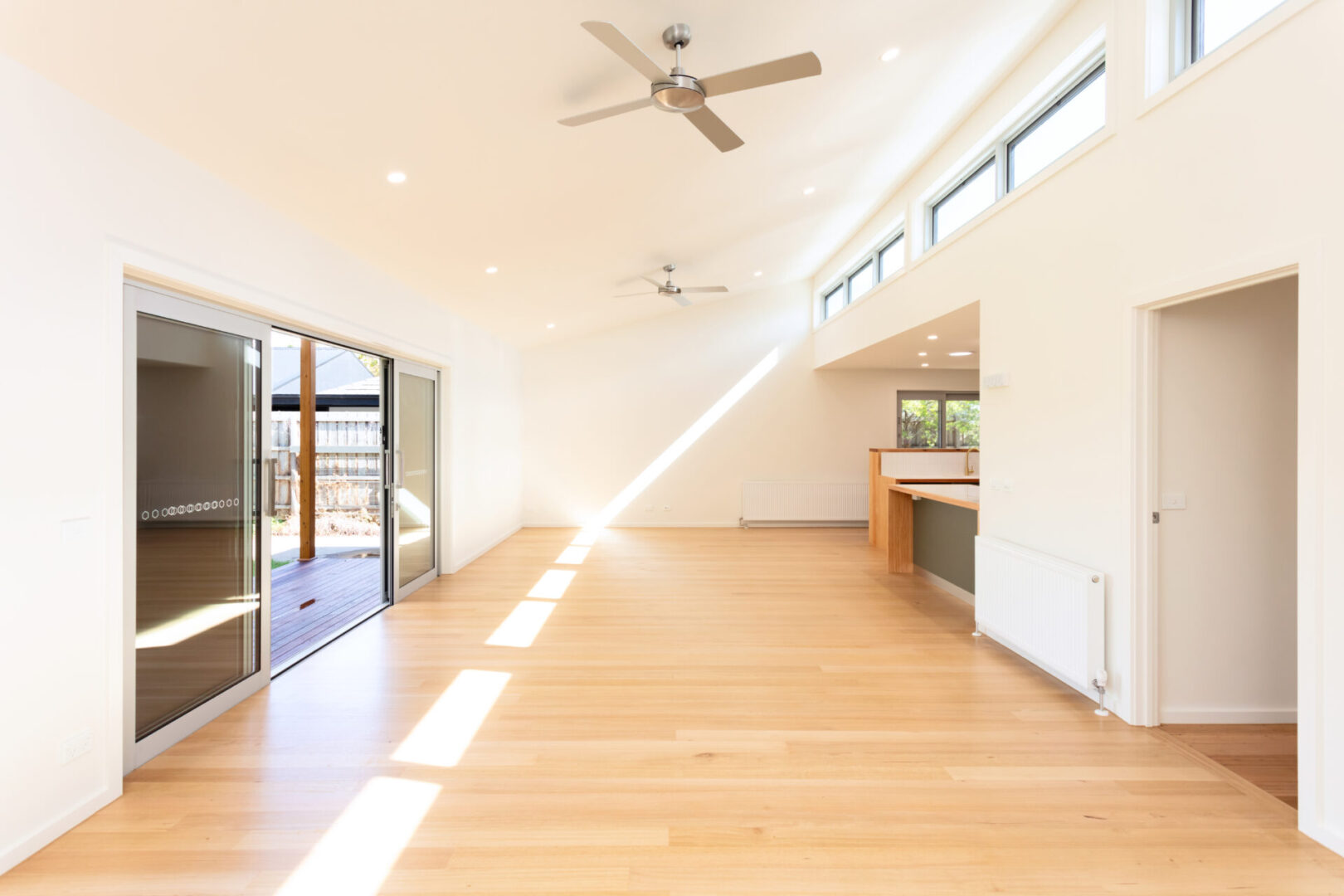
NORTHERN LIGHT OPTIMIZATION / CLERESTORY INTERVENTION
1
STRATEGIC PLANNING
Spec: Internal reconfiguration of the original 60-year-old footprint to maximize bedroom count and communal flow.
Outcome: Transformed a 3-bed/1-bath home into a 4-bed/2-bath residence within a tight suburban budget.
2
THERMAL PERFORMANCE
Spec: Integration of high-level clerestory windows to draw northern light into a previously shaded rear extension.
Outcome: Significant reduction in artificial lighting and heating requirements for the new primary living zones.
3
LIFE-CYCLE ASSESSMENT
Spec: Retention of the original brick veneer shell and primary structural elements to minimize construction waste.
Outcome: Modernized a mid-century asset for a new 50-year life cycle through cost-effective, sustainable intervention.
