
A pioneering multi-residential landmark, reconciling lightweight timber innovation with high-density suburban living.
The Constraint
Located on a high-traffic arterial route in Melbourne’s north, the site required a complex feasibility review to unlock its mixed-use potential. The primary challenge was to design a staged, high-yield development that could provide a diversity of unit sizes (1, 2, and 3 bedrooms) while maintaining a sense of privacy and “rural” connection on a site zoned for intense commercial and residential activity.
The Resolution
An “Integrated Timber Grid” strategy. We implemented a steel and timber-clad façade that distinguishes the four-block precinct from its commercial surroundings. By utilizing the Multi-Residential Lightweight Timber Framing Code, we streamlined the construction lifecycle, allowing for a staged trades flow and sales program. The resulting cluster of courtyards and large-scale balconies maximizes distant hill views, delivering a unique high-density typology that prioritizes resident tranquility.

SUBURBAN SERENITY / VIEW-OPTIMIZED BALCONY ARCHITECTURE
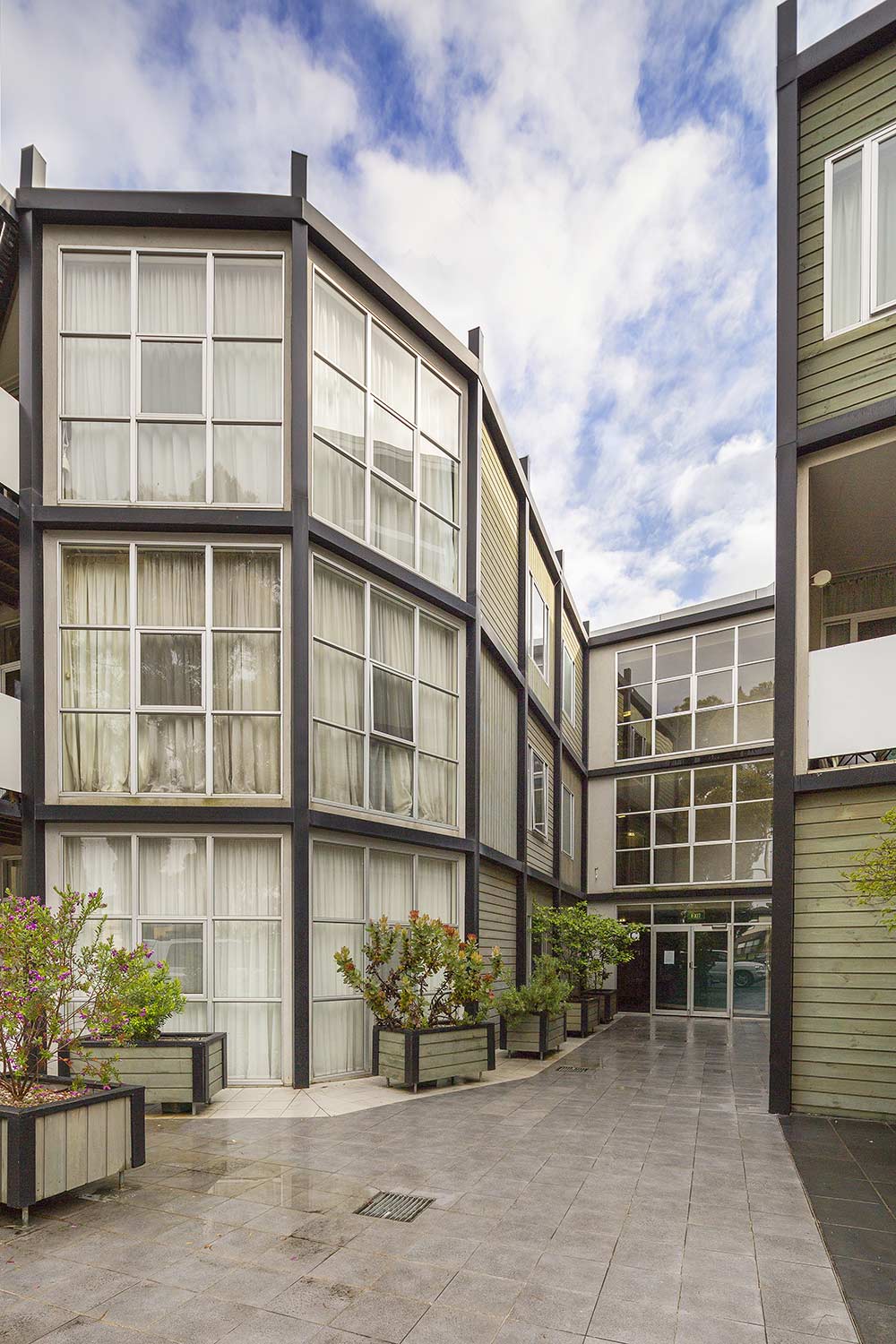
PRIVATE COURTYARD INTERFACE
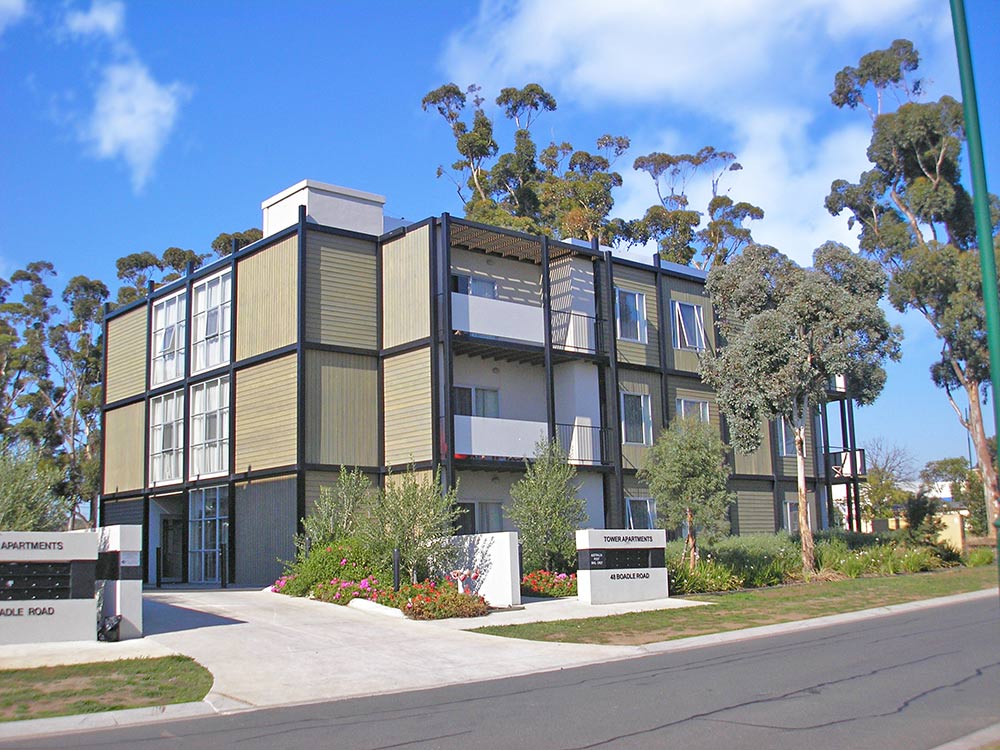
TIMBER CLAD FAÇADE / STEEL GRID PRECINCT LOGIC
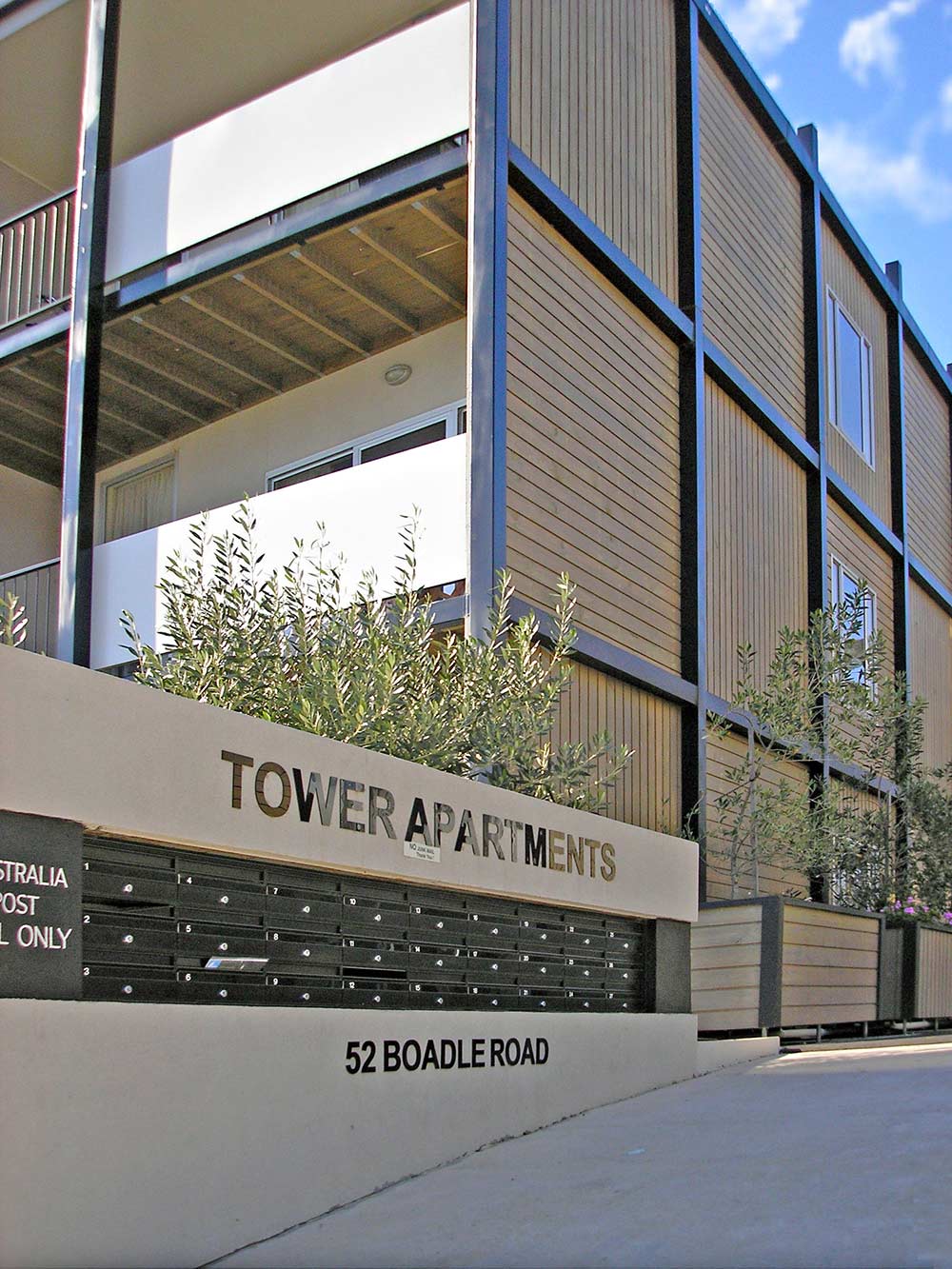
DIVERSIFIED RESIDENTIAL TYPOLOGY
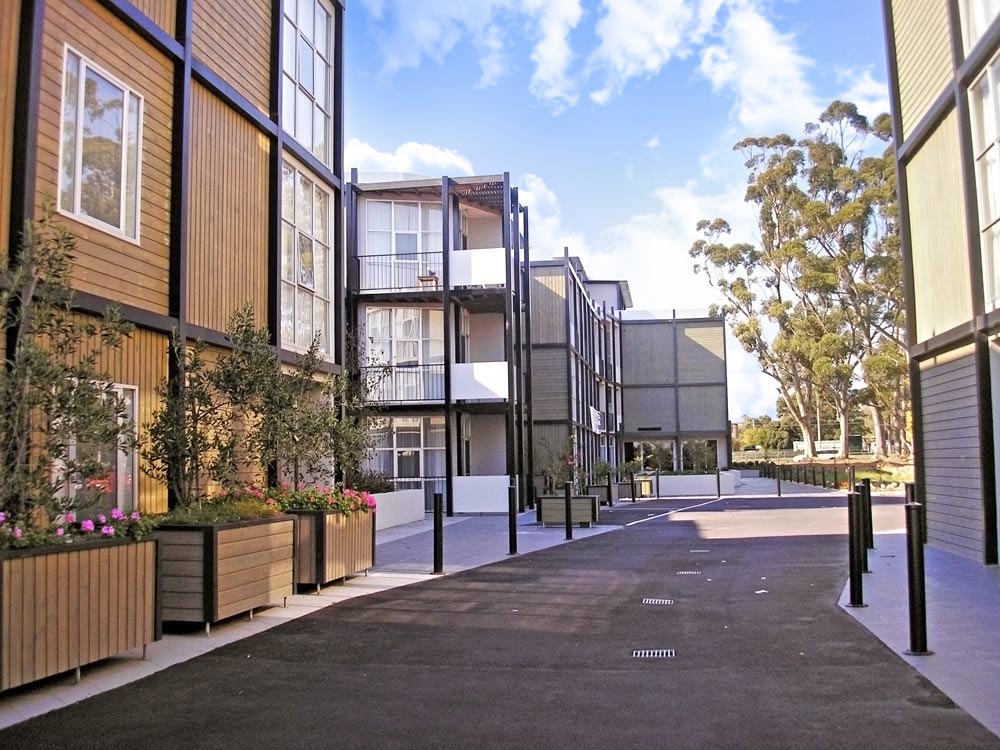
COMMUNITY CLUSTERING
1
STRATEGIC PLANNING
Spec: Comprehensive feasibility review and tender application for a staged, multi-block mixed-use precinct.
Outcome: Delivered a unique residential market segment that out-competed standard local student housing through superior amenity.
2
LIFE-CYCLE ASSESSMENT
Spec: Extensive use of lightweight timber framing as a sustainable, cost-effective alternative to traditional commercial steel/concrete.
Outcome: Accelerated the building process and reduced embodied energy, establishing a long-term asset with a “rural” material soul.
3
THERMAL MASS & AMENITY
Spec: Strategic block clustering and the implementation of large balconies to capture passive solar gain and views.
Outcome: Optimized individual privacy and thermal comfort in a high-density environment, significantly increasing the property’s long-term value.
