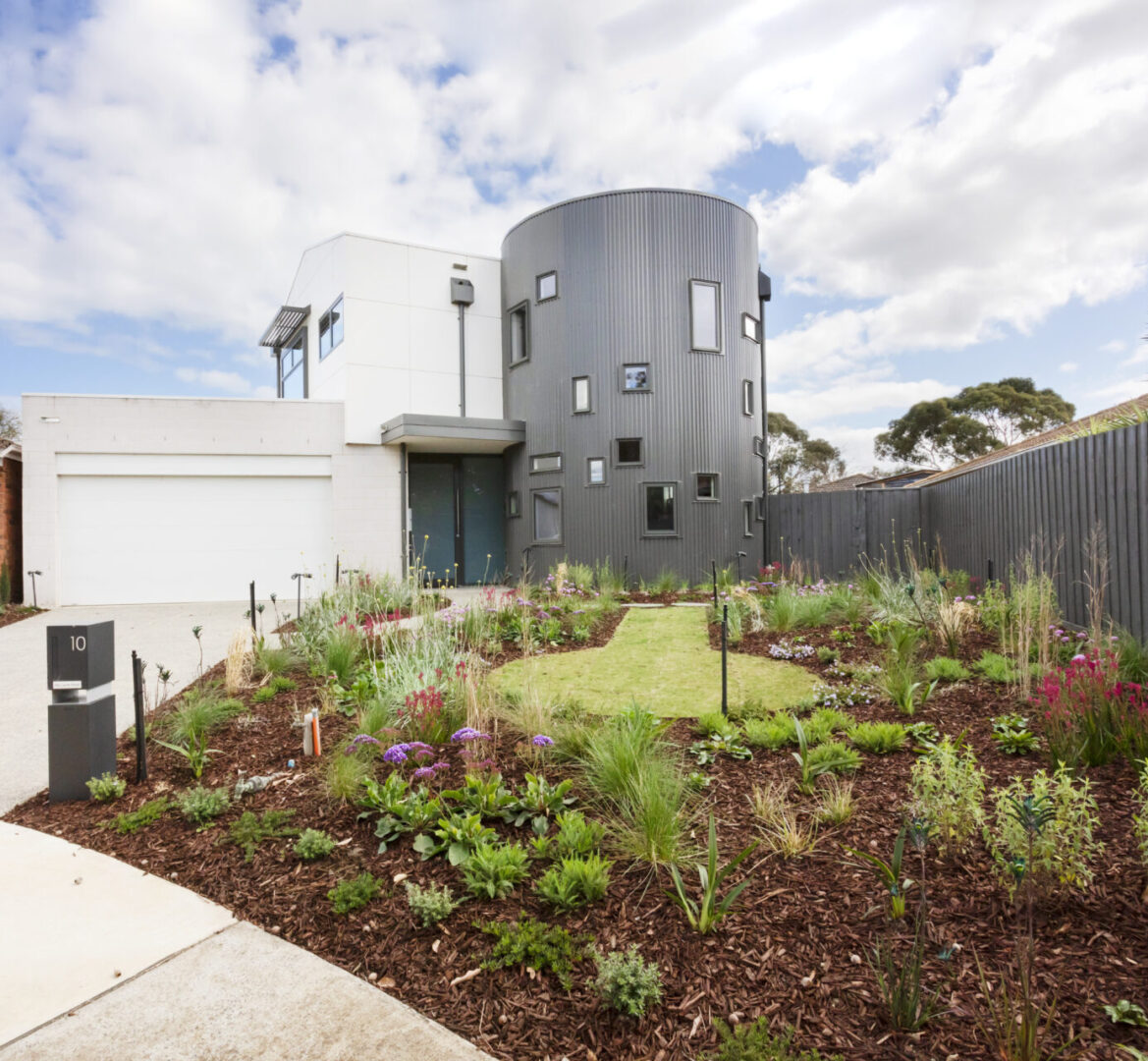
Sustainable architecture has moved on from a niche and uncommon concept to a mainstream priority in the property market. Homeowners, buyers and investors are increasingly aware of how buildings can affect the environment – in recent years, practical elements such as insulation and smarter heating methods have taken precedent, and many people designing their own homes rurally lean towards blending the building into the surrounding nature.
Making sustainable choices can reduce long-term costs and improve property value, particularly when those decisions are built into the project through thoughtful sustainable design architecture from the beginning. Homes designed with sustainability in mind often attract stronger buyer interest and achieve higher resale prices. Understanding why this is can help you to make smarter choices when it comes to both design and practicality.
Energy Efficiency as a Long-Term Financial Advantage
One of the most direct ways that sustainable architecture influences property value is through energy efficiency – features such as high performance insulation, energy efficient windows, solar panels and smart climate control systems reduce ongoing utility costs and are an attractive selling point to potential buyers.
Many buyers see lower energy bills as immediate savings for the future, making the property more appealing in comparison with less efficient alternatives.
Energy prices are continuing to rise in many countries, this is making efficiency an even stronger selling point for buyers. Many people factor long-term running costs into their purchasing decisions, so if a home is cheaper to run, it is more appealing to buyers – so investing in things which will achieve a lower energy bill can pay off in the long-term.
Market Demand and Buyer Perception
As we mention above, buyer preferences are evolving more towards sustainability than other aspects – many purchasers now actively seek properties which reflect environmentally responsible living and efficient energy bills. This growing demand gives sustainable properties a competitive edge in the market.
Perception also plays a very powerful role in property value – sustainable architecture often signals thoughtful design, modern construction standards, practical efficiency and futureproofed living. Buyers who are not deeply eco-focused may also associate sustainability with durability, comfort and innovation. Having such a positive perception in the market can increase buyer confidence and willingness to pay a premium, particularly in competitive market areas.
Durability, Practicality, Materials and Reduced Maintenance Requirements
Sustainable architecture often places a focus on high quality and durable materials that perform well over time and require little maintenance. Responsibly sourced, recycled and non-toxic materials are not only more environmentally friendly but often chosen for their longevity and high performance.
They come with higher costs attached, but this often pays off in the long-term. Lower maintenance costs on a property can significantly influence value, as buyers are more likely to invest in a home which is less likely to have unexpected expenses alongside a cheaper upkeep.
Futureproofing and Building Regulations
Governments and planning authorities around the world are increasingly introducing stricter building regulations related to energy efficiency, emissions and environmental performance. Homes designed with sustainability in mind are often better prepared to meet these ever evolving standards, as opposed to older homes which may have higher costs attached when it comes to making changes or carrying out work.
If a home is futureproofed, property value is protected as it reduces the likelihood of expensive retrofits or renovations to meet environmental standards further down the line.
Buyers are becoming more aware of these regulatory trends and may avoid properties which risk becoming outdated or non-compliant. Sustainable architecture ensures that a property is ahead of these changes, making it a financially safer and more appealing investment for the future.
Conclusion
Sustainable architecture is no longer just an environmental choice, it is a strategic investment in future property value. By reducing operating costs and improving energy efficiency alongside improving long-term durability, sustainable design can enhance immediate appeal and future value. Architecture firms can prepare homes for future regulations can also be appealing to buyers as it will reduce costs if changes are needed to align with new environmental laws.
For those considering renovations or new builds, incorporating sustainable elements into the overall house design in Melbourne can deliver benefits that extend beyond aesthetics. In a market where value is increasingly defined by efficiency and environmentally friendly solutions, sustainable architecture stands as a powerful driver of lasting value. Contact BY Architecture for your sustainable architecture needs.