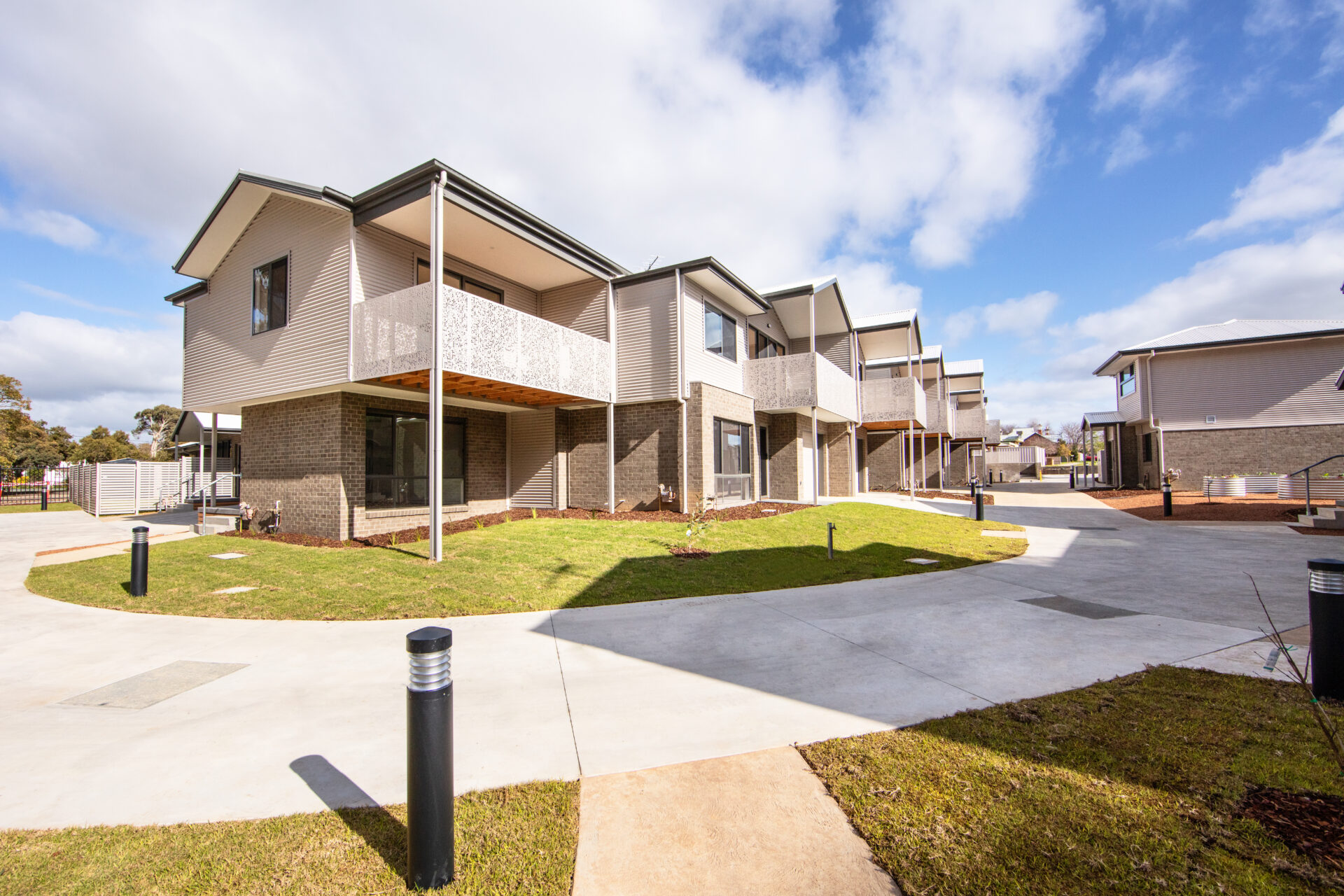
Answering: What does Victoria’s 2025 Townhouse and Low-Rise Code (VC267) mean for heritage-home owners?
Estimated reading time: 9 min read
For most heritage-home owners, Victoria’s Townhouse and Low-Rise Code — introduced by Amendment VC267, approved on 6 March 2025 and in operation from 31 March 2025 — changes less than the headlines suggest. The reform created a faster “deemed to comply” pathway at Clause 55 for townhouses and low-rise apartments up to three storeys, and a separate, earlier reform (Amendment VC243, in 2023) had already exempted some single dwellings on larger lots from needing a planning permit at all. But both come with the same critical asterisk: they do not apply where an overlay triggers a permit, and a Heritage Overlay always does. So if your home is in a Heritage Overlay, you still need a planning permit, and your project is still assessed on its effect on the building’s significance, much as before. What the reform genuinely changes for you is twofold: the neighbour-amenity standards that shape what can be built next door, and the rules a non-heritage part of your street now plays by. Based on BY Projects Architecture’s experience across more than 200 permit applications, here is what the new Code does, and does not, do for a heritage owner.
If you have read that Victoria has made home approvals faster and easier, and you own a period home, you would be forgiven for expecting your next renovation to get simpler. The honest answer is more nuanced, and worth understanding before you brief a project.
The reform is real and significant — it is one of the biggest changes to the state’s residential planning rules in years. It just lands differently on a heritage home than on a vacant infill site. Here is the detail that matters.
Key Insights
- The Townhouse and Low-Rise Code (Amendment VC267) came into operation on 31 March 2025, introducing a deemed-to-comply pathway at Clause 55 for townhouses and low-rise apartments up to three storeys.
- A separate, earlier reform (Amendment VC243, 2023) exempts some single dwellings on lots of 300 square metres or more from a planning permit — but only where no overlay triggers one.
- A Heritage Overlay always triggers a planning permit, so the new permit exemptions and the streamlined pathway generally do not apply to a heritage home.
- What does change for you: the overshadowing, overlooking and other amenity standards were restructured, affecting what neighbours can build and how impacts are weighed.
| Recent reform | What it does | Effect on a Heritage Overlay home |
|---|---|---|
| Deemed-to-comply pathway (Clause 55) | Faster, more certain decisions for townhouses and low-rise up to 3 storeys | Limited — the overlay still requires a heritage assessment |
| Single-dwelling exemption (VC243, 2023) | No permit for some single homes on lots 300m²+ | Does not apply — the Heritage Overlay triggers a permit |
| Restructured amenity standards | Changed overshadowing, overlooking and setback rules | Relevant — shapes neighbour impacts and what’s built next door |
| Neighbourhood character standard removed (Clause 55) | Deleted the old character standard in the Code | Heritage controls, not that standard, still protect your streetscape |
| Third-party (VCAT) review changes | New exemptions in some scenarios | Heritage matters retain their own review pathways |
Keep reading for full details below.
Table of Contents
- What VC267 Actually Introduced
- Why It Mostly Doesn’t Reach Heritage Homes
- What Genuinely Changes for You
- How to Read It for Your Project
What VC267 Actually Introduced
To know what the reform means for you, it helps to be precise about what it actually did, because it bundled several changes together.
Amendment VC267 introduced the Townhouse and Low-Rise Code as part of the Victorian Government’s housing reforms. Approved on 6 March 2025 and operating from 31 March 2025, its centrepiece is a restructured Clause 55 with a “deemed to comply” assessment pathway: where a townhouse or low-rise apartment development of up to three storeys meets the specified standards, the corresponding objective is taken to be met, which is designed to deliver faster, more certain decisions. A planning permit is still required for those developments in the residential zones, but the assessment is meant to be more predictable.
Separately, an earlier reform — Amendment VC243, in 2023 — had already exempted the construction of a single dwelling on a lot of 300 square metres or more in the General Residential, Neighbourhood Residential and Township zones from needing a planning permit, provided no overlay or other trigger applies. The Code also revised long-standing amenity standards — overshadowing, overlooking and setbacks among them — and removed the old neighbourhood character standard from Clause 55. Taken together, it is a substantial shift towards speed and certainty for medium-density housing.
Why It Mostly Doesn’t Reach Heritage Homes
Here is the part that matters most for a period-home owner, and it is easy to miss in the coverage: the headline benefits are gated behind a condition most heritage homes fail.
The single-dwelling permit exemption applies only where no overlay triggers a permit. A Heritage Overlay always triggers a permit for external buildings and works, demolition and the like, so the exemption simply does not apply to a home in one. Likewise, the streamlined Clause 55 pathway is aimed at townhouse and low-rise development, and even where elements of it are relevant, a Heritage Overlay sits over the top: the overlay’s own decision guidelines, which turn on whether a proposal affects the significance of the heritage place, must still be satisfied. In short, the parts of VC267 that make life faster and cheaper are exactly the parts a Heritage Overlay holds back.
This is not a loophole or an oversight; it is by design. Heritage controls exist precisely to ensure that significant places are assessed on their merits, and the reform did not weaken them. For an owner, the practical takeaway is to discount the “no permit needed” and “faster approvals” headlines as they apply to your own home, and to plan for a normal heritage planning permit. Across our work in more than ten Victorian councils, that has not changed.
What Genuinely Changes for You
None of this means VC267 is irrelevant to you. It changes two things that are worth understanding before you design.
The first is the amenity standards. The Code restructured how overshadowing, overlooking and setbacks are assessed, and removed the old neighbourhood character standard from Clause 55. Where your renovation has a component that engages those provisions — a new upper level, for instance, affecting a neighbour’s light or privacy — the test that applies is the current one, not the rule that existed a couple of years ago. Designing to a superseded standard is a real risk, which is why the applicable provisions need checking case by case rather than from memory or an old guide.
The second is your street. The reform makes some medium-density development next door faster to approve, and changes what a neighbour may build and how their impacts on you are weighed. For a heritage owner that cuts both ways: it can mean more change around you, and it makes understanding your own protections — and your rights as an objector — more valuable, not less. Knowing how the new amenity rules treat a proposal near your home is part of protecting the setting your property sits in.
How to Read It for Your Project
So how should a heritage owner actually use this reform? Calmly, and with the right expectations.
Start by confirming the obvious: if your property is in a Heritage Overlay, you will need a planning permit for external change, and the heritage assessment is the part that governs your project. The 2025 reform does not shortcut that. Next, where your design engages amenity standards — overshadowing, overlooking, setbacks — make sure it is tested against the current Clause 55 provisions, because those did change. Finally, keep an eye on the wider rules if the setting around your home matters to you, since the Code makes some neighbouring development easier.
This is exactly the kind of mapping we do at the start of a project: which rules apply, which changed, and which simply do not reach a heritage home. It is unglamorous work, but it is what keeps a renovation from being designed against the wrong rulebook. The reform rewards owners who understand precisely where it bites and where it does not — which, for a heritage home, is most of the headline.
Closing
Victoria’s Townhouse and Low-Rise Code is a genuine reform, but for a heritage-home owner it is more background than turning point. Your Heritage Overlay still requires a permit and still drives the assessment; the reform’s faster, permit-free pathways are gated behind a condition your home does not meet. What you should take from it is narrower and useful: design to the current amenity standards, and understand how the new rules shape your street. For help reading exactly which provisions apply to your property, visit our process page.
Frequently Asked Questions
Q: Do I still need a planning permit to renovate my heritage home after VC267?
A: Yes. If your property is in a Heritage Overlay, you still need a planning permit for external works, alterations or demolition, and the heritage assessment still applies. The single-dwelling permit exemption (introduced separately in 2023) only applies where no overlay triggers a permit, and a Heritage Overlay always does. The reform did not change that.
Q: Does the faster “deemed to comply” pathway help my heritage renovation?
A: Generally not directly. The deemed-to-comply pathway at Clause 55 is aimed at townhouses and low-rise apartments up to three storeys, and even where it is relevant, a Heritage Overlay’s own decision guidelines sit over the top and must be satisfied. Your project is still assessed on its effect on the building’s significance, much as before the reform.
Q: What actually changed that affects me?
A: Two things. The amenity standards — overshadowing, overlooking and setbacks — were restructured, so any part of your design that engages them must meet the current test, not the old one. And the Code makes some medium-density development next door easier to approve, which can change what neighbours build and how their impact on you is assessed. Both are worth understanding before you design.
Q: When did the Townhouse and Low-Rise Code start?
A: Amendment VC267 was approved on 6 March 2025, and the Code commenced operation on 31 March 2025. Applications lodged before 6 March 2025 continue to be assessed under Clause 55 as it existed before that date. For a heritage project, the key point is that the overlay’s permit requirement and assessment are unchanged.
Want to Learn More?
With more than 35 years navigating Victorian planning, BY Projects Architecture reads each reform for what it means on the ground — for your home, your overlay and your street — rather than for the headline. The detail is where a project is protected.
Citations
- “Townhouse and Low-Rise Code” — Planning Victoria. Confirms the deemed-to-comply pathway at Clause 55 for townhouses and low-rise apartments up to three storeys, approved 6 March 2025 and in operation from 31 March 2025, and that a permit is still required for those developments in the residential zones. https://www.planning.vic.gov.au/guides-and-resources/guides/all-guides/residential-development/townhouse-and-low-rise-code
- “Frequently asked questions — Townhouse and Low-Rise Code” — Planning Victoria. Explains how the Townhouse and Low-Rise Code’s deemed-to-comply standards at Clause 55 operate for townhouses and low-rise apartments up to three storeys. https://www.planning.vic.gov.au/__data/assets/pdf_file/0030/741396/FAQs-Townhouse-and-Low-Rise-Code.pdf
- “Permits and approvals” — Heritage Victoria. Confirms that a place in a Heritage Overlay generally requires a planning permit for external change, which is why the VC267 exemptions do not reach a heritage home. https://www.heritage.vic.gov.au/permits-and-approvals
These are the official Victorian sources on the reform: the Townhouse and Low-Rise Code and its FAQs for what VC267 changed, and Heritage Victoria for the permit controls that still apply to a heritage home.
With 35-plus years and more than 200 permit applications across Melbourne’s councils, our work is to tell you exactly which rules apply to your home and which do not, so a 2026 heritage project is designed to the right rulebook from day one — built for living, not for a headline.
92%
Quality Verified
This content scored 92% in the Probably Genius Publication Readiness Assessment, meeting standards for direct answers, section depth, proof points, citation quality, and AI extractability.