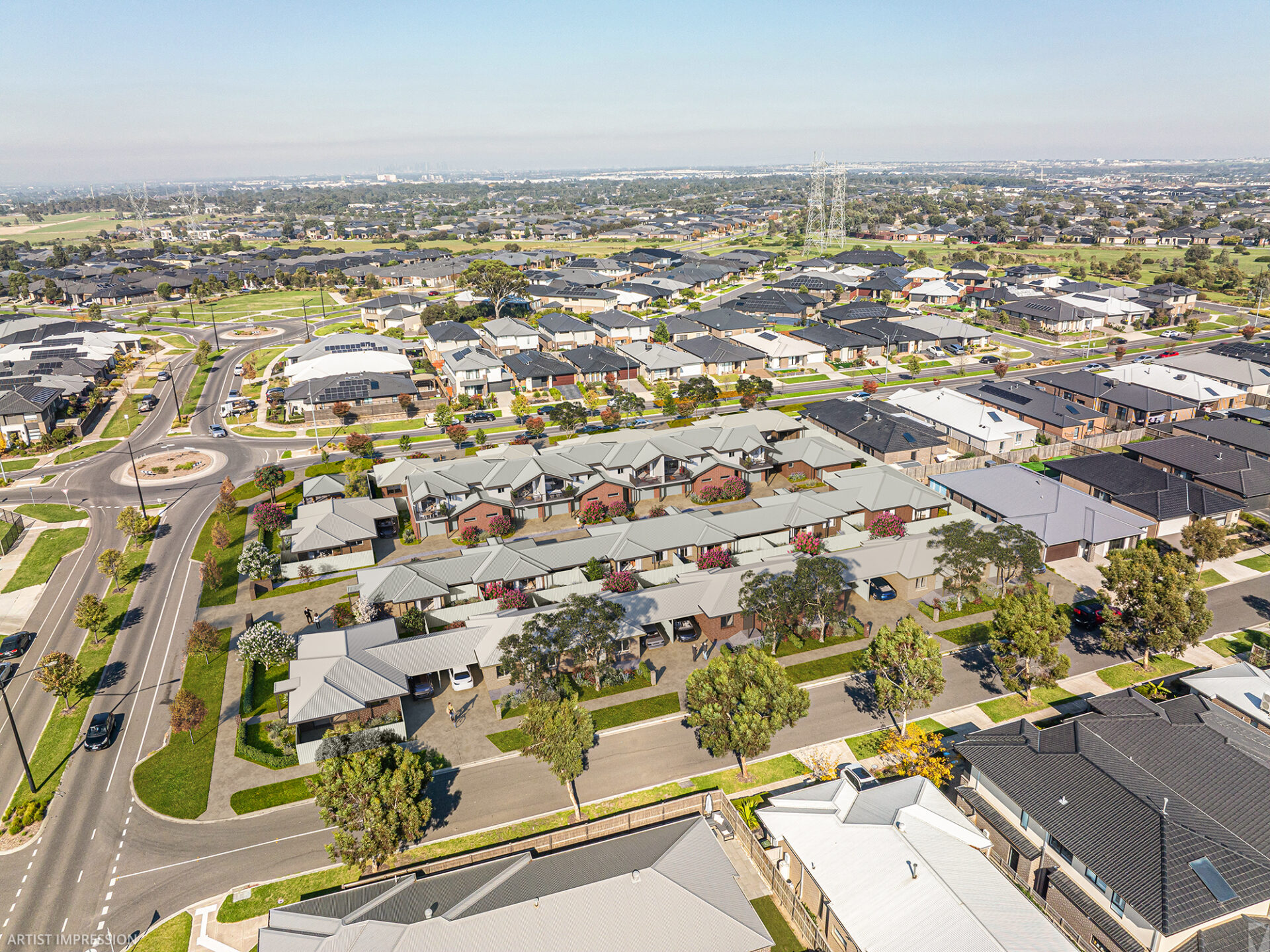
City life has its perks. Everything’s within reach. The shops, schools, work, public transport. But it’s not all smooth sailing. Streets get crowded, buildings pop up, and suddenly you’re dealing with baking-hot footpaths, shrinking green spaces, and sky-high energy bills. Sometimes your apartment just feels stuffy, noisy, or way too cramped
That is where sustainable architecture in Melbourne really matters. Forget about trends for a second. This is about designing homes and buildings that actually make life better for people living in cities.
The Problem With Dense Cities
Cities are crowded, which is why thoughtful building design in Melbourne needs to consider heat, airflow, natural light, and how closely buildings sit together
A badly designed building can be unpleasant. It might overheat in summer, be noisy, feel dark, or need constant air conditioning. Over time, that affects your comfort and your bills.
Sustainable design helps fix this. Thinking about how a building sits on a site, how it catches light, and how air flows through it can make a huge difference.
Comfort Comes First
When people hear ‘sustainable’, they think of carbon, recycling, or saving the planet but it’s also about these common questions:
- Is it cool on a hot day?
- Does it get enough daylight?
- Can you open windows and feel a breeze?
- Are the energy bills reasonable?
Buildings designed with the climate in mind feel better without needing lots of heating or cooling. As an experienced architect in Melbourne, we focus on these basics from the very start. If a home feels good to live in, sustainability happens naturally.
Small Design Choices Matter
In the city, little decisions can have a big impact. When buildings are packed close together, issues like overheating, poor airflow, or cramped spaces become a lot more noticeable.
Thoughtful design pays attention to how the sun moves across the site, how breezes travel between buildings, and how materials hold up to heat and weather over time. Getting these things right doesn’t just help one building; it can make the street feel cooler, the homes more comfortable to live in, and the whole neighbourhood a nicer place to be.
Cutting Energy Use Without Sacrificing Comfort
City buildings use a lot of energy for heating, cooling, lighting, and all the appliances’ people rely on every day.
Sustainable design helps cut that energy use with simple, smart choices. How the building is positioned, where shading is added, how air moves through rooms, and the type of insulation all make a difference.
The best part is that it doesn’t mean giving up comfort. Often it makes the building feel more pleasant and stable throughout the day. And lower energy use usually means smaller bills, which is always a welcome benefit when living in a city.
Health and Wellbeing at Home
Living in a city can be stressful. Traffic, noise, and busy streets all affect you. Sustainable design thinks about that.
Homes that get daylight, fresh air, and quiet spots can make a big difference for your mental and physical health. Even small things like window placement or room layout change how a space feels.
If your view is of a park or the river, you’ll notice it makes your home feel calmer. With more people working from home, these design choices are more important than ever.
Sustainable Design Isn’t About How it Looks
Sustainable buildings don’t have to follow one style. They can be modern or traditional, bold or simple.
What matters is that they work well. In cities, the best sustainable buildings fit naturally into their surroundings and quietly make life easier for the people inside.
How BY Architecture Approaches Sustainability
At BY Architecture, we see sustainable design as practical. It’s about making buildings that feel good, work well, and last.
We talk with our clients to understand their site, goals, and the realities of city living, whether they are planning a new home, renovation, or broader house design in Melbourne. Then we design solutions that balance comfort, sustainability, budget, and council rules.
If you’re planning a city project and want a home or building that works for people and lasts, we can help guide you.
Get in touch to see how thoughtful, practical design can make your project better today and for years to come.
Frequently Asked Questions
How Does Melbourne’s Environment Affect my Project?
Every site is different, and Melbourne has a lot of variety in its environment. Trees, rivers, nearby buildings, wind patterns, and the slope of the land can all change how your building performs. We take the time to study your site carefully, looking at sunlight, airflow, and natural features so that the design works with the environment rather than against it. This way, your building is comfortable, energy-efficient, and suits its surroundings.
Will Sustainable Design Make my Project More Expensive?
Not always. Sustainable design is often about making smart choices early on, like positioning windows for better light and airflow, choosing the right materials, and planning the layout efficiently. These decisions can reduce energy bills and maintenance costs over time and can make your building more comfortable without adding big costs to the budget.
I am not Familiar With Architecture or Council Rules. How do I Know if my Site is Suitable for a Sustainable Building?
That is very common. We start by looking closely at your site, taking into account things like sunlight, prevailing winds, nearby buildings, vegetation, and soil conditions. From this, we can give practical advice on what is realistic, what will work best, and how to avoid problems during construction or council approvals.
Will Thinking About Sustainability Slow Down my Project or Make Approvals Harder?
Usually it has the opposite effect. If sustainability is considered from the beginning, councils often respond positively to buildings that are energy-efficient and considerate of the surrounding area. Planning carefully from the start can prevent problems later and make approvals smoother.
How can I be Sure my Building Will Still be Suitable in Five or ten Years?
Cities change quickly, and people’s needs change too. Good sustainable design considers the future by creating flexible spaces, choosing long-lasting materials, orienting the building to handle changes in climate, and planning layouts that remain functional over time. This approach helps your building stay useful, comfortable, and relevant without requiring constant updates.