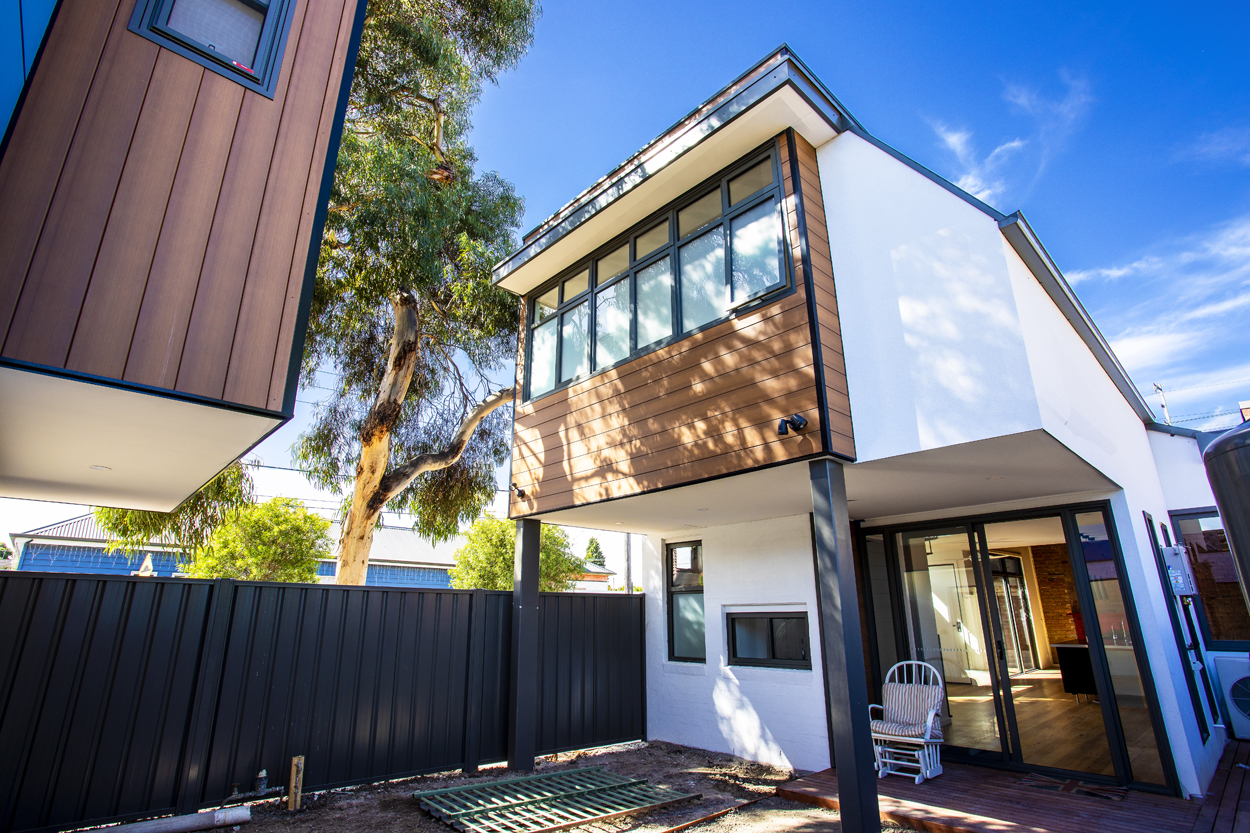
One of the key characteristics of a home must be that it is solid, dependable and permanent. It is what gives us confidence and a sense of having our own place in the world, our own small part in the great scheme of things where we can live our lives as we choose.
That is what a home is all about. But the way we choose to live can change over the years, and wouldn’t it be wonderful if our home could change with it? Young people grow up, adults enter new phases of life, and children are born to start the cycle all over again. Rather than having to uproot and move to a new home, wouldn’t it be good to be able to adapt the one we have?
The fact is, that really is possible if thought is given to it at the design development stage. It gives a whole new depth of meaning to the word planning, and the secret is finding a firm of architects that is not only prepared to buy into this approach but has relevant experience.
Built-In Flexibility
The exterior of your house is likely to remain pretty much the same in terms of bricks and mortar, or whatever materials are used to construct it. It can be given a makeover from time to time, but the house walls are what separate you from the rest of the world, so there needs to be a feeling of permanence here. What you could change with a remodel is the way the building is laid out inside, and this is where adaptability comes in.
One way of doing it is the open-plan approach, where solid walls are few and far between, replaced by movable walls or room dividers that may be little more than rows of plants, fabric curtains, z-fold screens and bookshelves.
While this sort of option has existed since the first mud hut was sectioned off with palm leaves and trailing plants, there are modern ways of doing it that involve traditional walls, albeit movable ones that can be slotted into the floor or some kind of raised brackets.
Then we enter the futuristic realms of shape-changing polymers and self-healing concrete. These are not quite as sci-fi as they sound, being rooted in traditional science and using entirely understandable methods such as heat, water and air to enable large changes in structure.
If there is one real downside to the whole concept of semi-permanent interior walls it is probably sound transference – the fact that unless the whole family wants to watch the same TV program at the same time, there has to be some way of soundproofing sections of the house so that peace and harmony can prevail.
Don’t Overlook Storage
Making built-in storage part of the design from the start will ensure that as your needs change your storage can keep up.
Using built-in instead of buying furniture is an efficient use of valuable floor space and the inside is easy to customise by adding more shelves or hanging rails as your needs change.
Where can you Find the Right Architects?
Look for interior architects in Melbourne who focus on sustainability and carbon zero design and believe that an architectural designed home is more than a drawing or a budget, but something that results in a building that has a sense of identity that is uniquely yours.
At BY Projects Architecture, sustainability is one of our core principles and as you can see on our website, we’ve won plenty of awards for our work and helped countless people just like you with architectural plans that create a home to cherish. Claim your free consultation here.