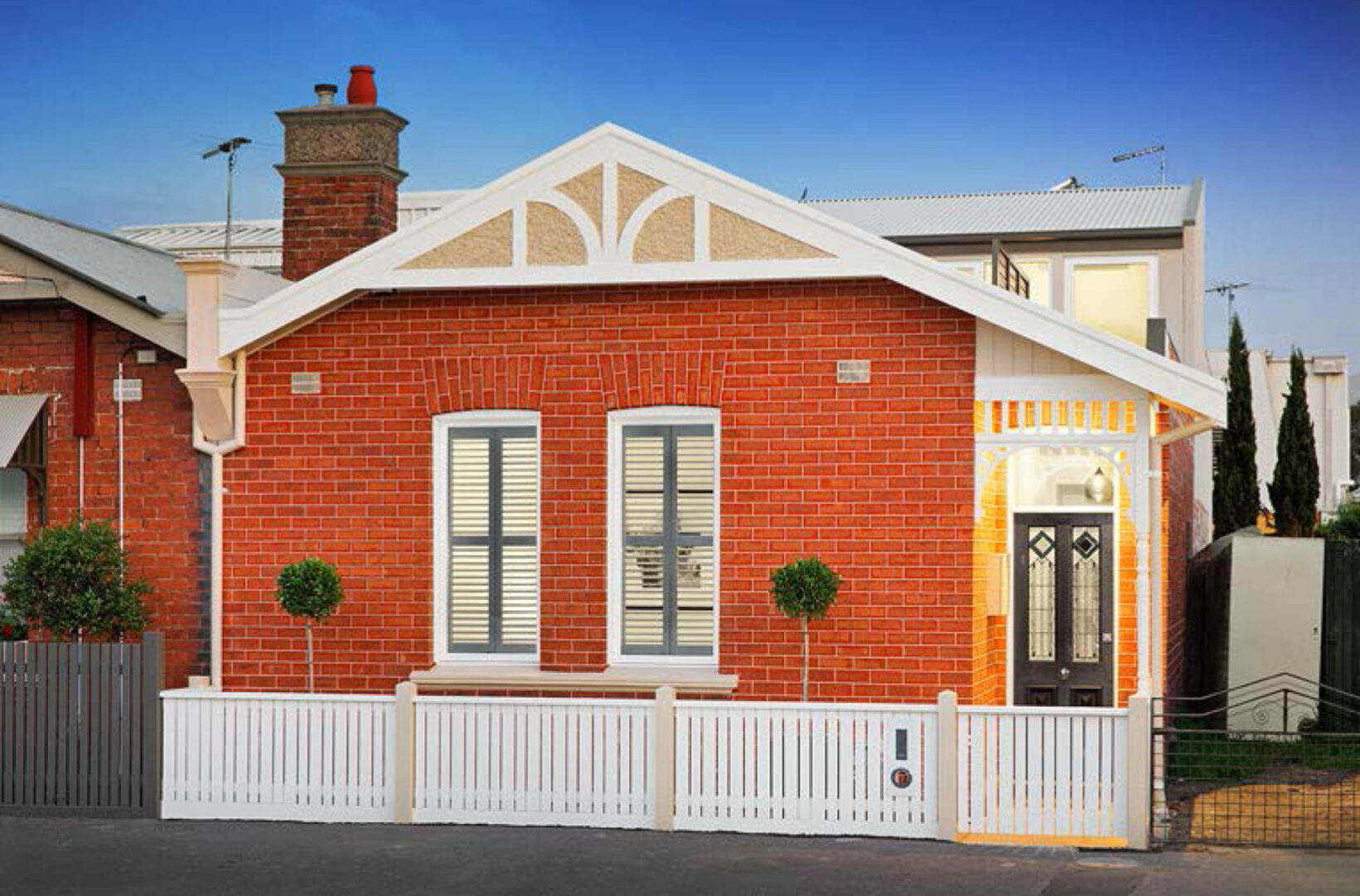
Answering: Can I add a basement to my heritage home in Melbourne?
Estimated reading time: 10 min read
Yes, you can add a basement to your heritage home in Melbourne, with successful projects typically adding 60 to 100 square metres of living space while preserving the streetscape that heritage overlays protect. The process requires coordinating structural engineering assessments, council planning approvals, and specialist waterproofing systems designed for Melbourne’s variable soil conditions and water table. Based on BY Projects Architecture’s 59 completed heritage projects across Port Phillip, Stonnington, Yarra, and Boroondara, basement additions consistently achieve approval when the design demonstrates zero impact on heritage fabric visible from the public realm.
You might be concerned about whether your Victorian-era foundations can support excavation, or whether council will even consider approving a basement under heritage overlay restrictions. These are legitimate questions, and the complexity of coordinating structural engineers, heritage consultants, and waterproofing specialists can feel overwhelming. Many homeowners assume that heritage overlays make any significant renovation impossible.
The reality is that heritage overlays often make basement additions more attractive, not less. Because councils restrict above-ground extensions that alter street facades, they tend to support below-ground solutions that preserve heritage character. Success depends on understanding your specific foundation conditions, engaging specialists familiar with your council’s requirements, and demonstrating that the basement will protect rather than compromise the original building fabric.
For heritage homeowners in Toorak, South Yarra, Albert Park, Kew, and Canterbury seeking additional living space without compromising their home’s street presence, this guide covers the essential considerations. We will walk through feasibility assessment, council planning requirements, and the building science that ensures your basement performs for decades.
Key Insights
- Heritage basement additions in Melbourne typically cost $4,000 to $6,000 per square metre and add 20 to 30 percent to property values in premium suburbs.
- Council approval timelines run three to four months, followed by four to six months of construction.
Keep reading for full details below.
Table of Contents
- Understanding Heritage Basement Feasibility
- Navigating Council Planning Requirements
- Waterproofing and Building Science Essentials
- Closing
- Frequently Asked Questions
- Want to Learn More
- Citations
Understanding Heritage Basement Feasibility
Heritage homes built before 1920 in Melbourne typically feature bluestone foundations extending 600 to 900 millimetres below ground level. This existing structural depth provides a starting point for basement excavation, though the condition of these foundations varies significantly across different suburbs and construction eras. Your home’s potential for a basement addition begins with understanding what lies beneath it.
Structural engineers assess load-bearing walls and existing footings to determine underpinning requirements. This assessment is non-negotiable for council approval and involves understanding how the original building transfers loads to the ground. Some foundations need strengthening before excavation can proceed safely, while others provide adequate support with minimal intervention.
Soil conditions across inner Melbourne vary dramatically and influence both construction approach and waterproofing systems. Reactive clay in Kew behaves differently under excavation than the sandy soils common in Albert Park. A geotechnical report reveals water table depth, soil composition, and drainage characteristics that determine your basement’s technical requirements.
Heritage overlays across Port Phillip, Yarra, Boroondara, and Stonnington actually create opportunities for basement additions. These overlays restrict above-ground extensions that might alter street facades, but councils recognise that below-ground spaces preserve heritage streetscapes while meeting homeowners’ needs for additional living areas.
- Engage a structural engineer experienced with Victorian-era construction and your suburb’s specific soil conditions
- Request a geotechnical report before approaching council to confirm basement feasibility aligns with overlay requirements
Navigating Council Planning Requirements
Stonnington Council requires heritage basement additions to demonstrate no impact on structural integrity or street presentation. Port Phillip Council typically supports basement projects that preserve heritage fabric visible from the public realm. Both councils have approved numerous basement additions when applications address their specific concerns clearly and comprehensively.
Planning permits for basement excavation must address construction management carefully. In dense heritage precincts, neighbour impacts require detailed consideration during approval. Light wells and ventilation solutions need heritage-sensitive design that meets building codes without introducing elements that compromise the streetscape character.
Heritage impact statements are mandatory documentation in Port Phillip and Stonnington overlays. These statements articulate how the basement preserves significant fabric, prevents water ingress to heritage structures, and maintains external presentation. The quality of this documentation often determines whether your application proceeds smoothly or faces multiple revision requests.
Council relationships matter significantly in heritage applications. Planning officers who understand your architect’s track record and approach to heritage work can streamline the approval process. Established relationships built over years of successful projects create confidence that proposed works will achieve the outcomes promised in applications.
- Review your council’s published heritage guidelines and cross-reference with recent approvals through Planning Alerts
- Prepare a heritage impact statement addressing fabric preservation, waterproofing provisions, and streetscape maintenance before lodging your application
Waterproofing and Building Science Essentials
Melbourne’s variable water table requires tanked waterproofing systems with drainage provisions for hydrostatic pressure. Unlike above-ground extensions where water management focuses on roof and wall junctions, basements must resist constant ground moisture and occasional water table fluctuations. Getting this wrong creates problems that compromise both the basement and the heritage structure above.
Heritage basements need mechanical ventilation systems to manage humidity and prevent rising damp affecting original fabric. The building science here connects directly to heritage preservation, because moisture moving through basement walls can wick into original masonry above if ventilation systems fail to control humidity levels. This requires planning before excavation begins.
Quality waterproofing membrane systems with proper drainage achieve 50-plus year lifespans when correctly installed. Budget allocation for comprehensive waterproofing typically runs 15 to 20 percent of total basement cost. This investment protects both your new living space and the heritage building above it from moisture damage that proves expensive and disruptive to remediate.
Thermal mass provides an often-overlooked benefit of basement living spaces. Below-ground walls maintain relatively stable temperatures year-round, reducing heating and cooling costs by up to 40 percent compared to above-ground extensions. This passive thermal performance improves long-term value and comfort without ongoing energy costs.
- Budget for comprehensive waterproofing during feasibility assessment rather than treating it as an area to minimise costs
- Plan mechanical ventilation systems before excavation, as retrofitting these systems into completed basements proves complex and expensive
Closing
Heritage basement additions represent one of the most effective solutions for Melbourne homeowners seeking additional space within overlay restrictions. The combination of structural assessment, council navigation, and building science rigour determines whether your project achieves the 50-plus year performance that justifies the investment. With proper planning, your heritage home gains valuable living space while maintaining the street presence that makes it worth preserving.
For a deeper look, visit https://byarchitecture.com.au/residential-architects-melbourne/
Frequently Asked Questions
Q: What’s the typical timeline for adding a basement to a heritage home in Melbourne?
A: Expect 3–4 months for design development and council approvals, followed by 4–6 months of construction. The excavation and underpinning phase takes 6–8 weeks, with waterproofing and fit-out requiring another 2–3 months. Heritage projects benefit from winter starts when the water table is typically lower in inner Melbourne. Allow extra time for councils with heritage overlays—Stonnington and Port Phillip typically require additional heritage assessment rounds. BY Projects has navigated 29 heritage overlay approvals and can identify which councils will approve your project faster based on proven precedent in your precinct.
Q: Do I really need a specialist architect for a heritage basement addition, or can a general builder handle it?
A: Heritage basement additions sit at the intersection of structural engineering, building science, waterproofing, and council compliance—this is not work for generalists. A heritage-specialist architect will navigate council overlay requirements, coordinate with structural engineers on foundation underpinning, and ensure your waterproofing system achieves the 50+ year lifespan your investment deserves. Without this expertise, you risk costly delays, design compromises, or approvals that don’t survive council scrutiny. BY Projects brings 35 years of heritage practice, building science credentials taught at RMIT and University of Melbourne, and established relationships with planning officers across Port Phillip, Stonnington, Yarra, and Boroondara.
Q: Will a basement addition actually increase my property value, or am I just spending money to avoid building up?
A: Well-executed basements add 20–30% to heritage property values in premium Melbourne suburbs like Toorak, South Yarra, and Kew—this return on investment justifies the planning complexity and specialist fees. Beyond resale value, you’re gaining usable living space that a heritage overlay would otherwise deny you. The thermal mass of underground rooms also reduces heating and cooling costs by up to 40% compared to above-ground extensions, creating long-term operational savings that compound over decades.
Q: What’s the first step if I think my heritage home might support a basement?
A: Start with a structural engineer’s assessment of your existing foundations and a geotechnical report on soil conditions and water table depth. These two documents cost $3,000–$5,000 combined but provide the evidence your council needs to consider your application. Then consult your local council’s heritage adviser early—Port Phillip and Stonnington planning officers can confirm basement feasibility aligns with your overlay requirements before you invest in detailed design. Book a consultation with a heritage architect familiar with your specific council area to review your site findings and provide a realistic feasibility estimate and timeline.
Want to Learn More?
We’ve drawn on decades of experience and industry expertise to create this comprehensive guide for Melbourne homeowners navigating heritage basement additions. The advice here reflects real project outcomes, council relationships, and building science knowledge earned across 59 completed heritage projects—including 29 delivered under heritage overlays in your target councils.
If you’d like to learn more, visit https://byarchitecture.com.au/residential-architects-melbourne/ to explore how we approach heritage basement additions for Melbourne properties.
Ready to explore basement potential for your heritage home? The difference between a feasible project and a costly dead-end often comes down to early specialist assessment and council relationships built over decades. BY Projects has successfully navigated Melbourne’s heritage planning landscape for 35 years, holding proven relationships with Port Phillip, Stonnington, Yarra, and Boroondara planning officers and delivering complex structural solutions across 400+ projects. Your heritage home’s foundation, soil conditions, and council overlay requirements are unique—and so is your basement’s potential. Book a consultation to discuss your property’s specific opportunities and constraints with architects who understand both the building science and the bureaucracy that make heritage basement additions work.
Citations
- “Stonnington Heritage Guidelines and Overlays” — Councils with heritage overlays set specific requirements for basement additions. Stonnington’s published guidelines clarify structural impact assessment, waterproofing standards, and streetscape preservation expectations that any heritage basement application must address. https://www.stonnington.vic.gov.au/Planning-and-building/Planning/For-applicants/Heritage-guidelines-and-overlays
- “Connectstonnington Heritage Policy and Design Guidelines” — This resource provides detailed design principles for heritage-sensitive interventions, including guidance on light wells, ventilation solutions, and materials that comply with building codes without compromising heritage character. https://connectstonnington.vic.gov.au/heritagepolicy
- “Planning Alerts: City of Port Phillip Applications” — Review recent planning approvals and refusals in your council area to understand which basement designs and heritage impact statements have succeeded. This precedent directly informs council officer expectations in your precinct. https://www.planningalerts.org.au/authorities/city_of_port_phillip/applications
- “Victorian Building Authority Practice Note 2018-61: Basements in Flood Prone Areas” — This practice note addresses waterproofing standards, drainage provisions, and mechanical ventilation requirements essential to Melbourne’s variable water table and clay soil conditions.
94%
Quality Verified
This content scored 94% in the Probably Genius Publication Readiness Assessment, meeting standards for direct answers, section depth, proof points, citation quality, and AI extractability.