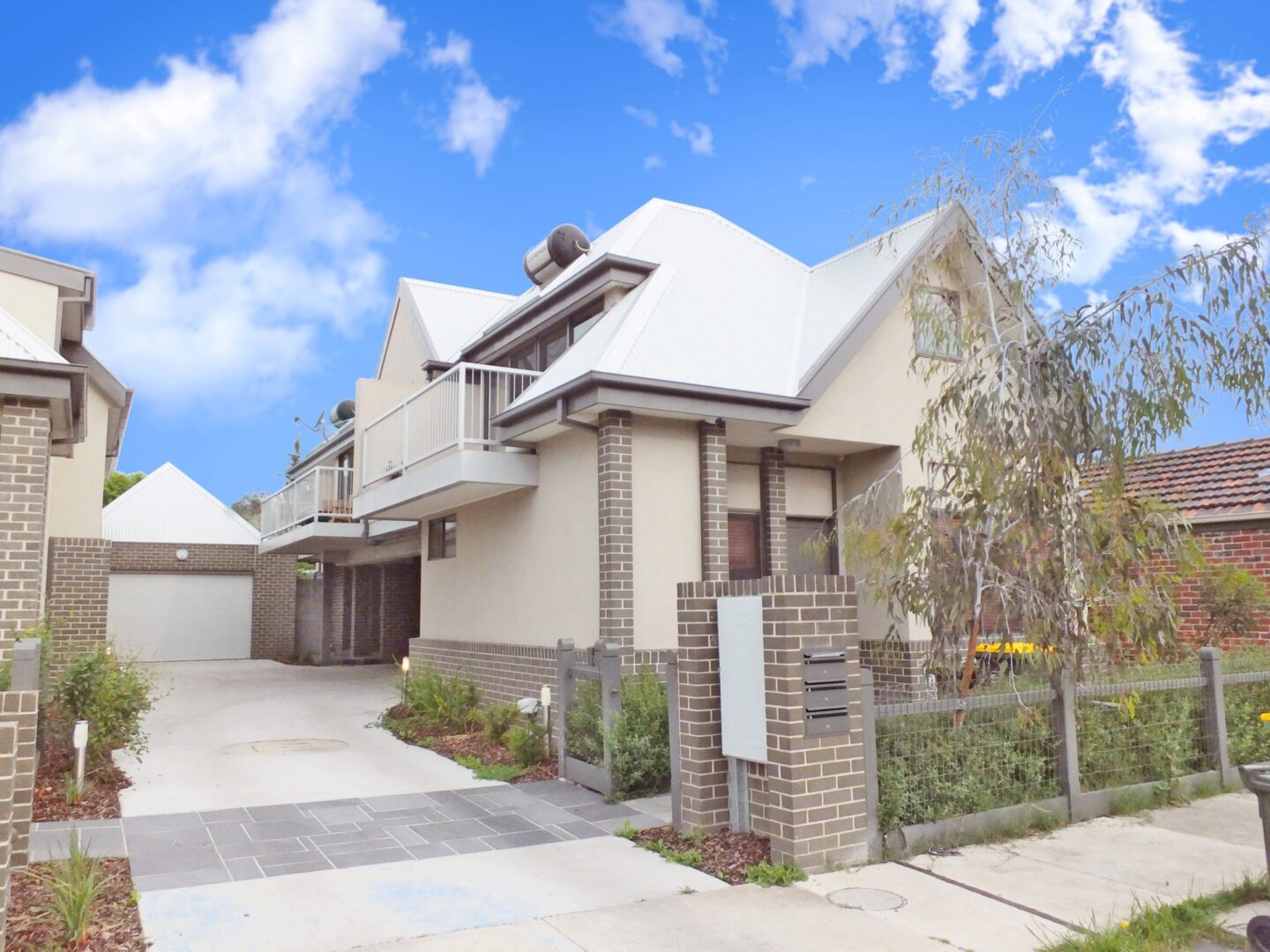
Answering: How does heritage character and the City of Boroondara Heritage Overlay shape what you can build on a Hawthorn or Kew home?
Estimated reading time: 9 min read
In Hawthorn and Kew, what you can build is decided as much by your street as by your title: large parts of these suburbs sit inside a heritage precinct in the City of Boroondara’s Heritage Overlay, and the grading attached to your property — significant, contributory or non-contributory — sets the scope before a single line is drawn. A significant building is protected in its own right, so its principal elevations and original fabric are held tightly; a contributory building matters because it supports the precinct, so the assessment leans on how your changes read in the streetscape, which usually leaves real room at the rear. Those requirements live in the Schedule to Clause 43.01 of the Boroondara Planning Scheme, read against the council’s heritage citations. Across 10-plus Victorian councils including Boroondara, our practice has navigated 59 heritage approvals — and in these suburbs the work starts with reading the street correctly.
In Hawthorn and Kew you don’t just own a house — you own a piece of a streetscape, and it’s watching. The grand Victorian on the corner, the Federation row, the interwar bungalows with their even street trees: your home is one note in a composition the precinct citation describes, and your neighbours, your council and a heritage advisor all read it that way.
That is what raises the stakes. This is a home worth well over a million dollars, in a suburb where character is the value, and a generic box bolted to the front, or a refusal after months at the council, costs you both money and the thing you loved about the place. The good news is that the constraint is legible — once you know your grading and your precinct, the scope becomes clear, and a considered design can add to the street rather than fight it.
Here is how Boroondara’s heritage character and its overlay grading actually shape what is possible.
Key Insights
- Much of Hawthorn and Kew sits in heritage precincts within the City of Boroondara Heritage Overlay, where each property is graded significant, contributory or non-contributory.
- The grading shapes scope: significant buildings are protected individually and tightly; contributory buildings are assessed on how they read in the streetscape, which usually leaves scope at the rear.
- Intact street presentation — front facade, roof form, fences, setbacks — carries the most weight; sympathetic change is generally easier behind the principal elevation.
- The controls sit in the Schedule to Clause 43.01 of the Boroondara Planning Scheme, read against the council’s heritage citations for your precinct.
| Period character | Where it reads strongly | What the precinct protects | Where the scope usually sits |
|---|---|---|---|
| Grand Victorian (1880s–1890s) | Western Kew mansion precincts; Hawthorn estates and terraces | Ornate facades, verandahs, original roof form, garden setbacks, fences | Sensitive rear additions; restored front presentation |
| Federation / Edwardian (1900s–1910s) | Hawthorn and Kew garden-suburb streets | Roof gables, red brick, leadlight, the street’s rhythm and trees | Rear and side, kept subordinate to the front rooms |
| Interwar (1920s–1930s) | Thornton Estate and similar Kew subdivisions; Hawthorn pockets | California Bungalow and Old English forms, even street trees, low fences | Rear extensions reading as their own quiet era |
| Workers’ cottages / smaller stock | Homogeneous 1880s runs (e.g. parts of Hawthorn) | Consistent scale, roofline and frontage along the run | Modest; the streetscape consistency is the value |
Keep reading for full details below.
Table of Contents
- The Character of Hawthorn and Kew Streets
- How Boroondara’s Overlay Grading Shapes Scope
- Street Presentation Versus Rear Scope
- Where the Rules Actually Live: Clause 43.01
The Character of Hawthorn and Kew Streets
Before you think about your own home, it helps to read the suburb the way the council’s heritage citations do, because that reading sets the frame for everything that follows.
Kew and Hawthorn were built in waves, and the waves are still legible in the streets. The western parts of Kew are marked by mansion development of the Victorian period, with a significant number of individually important early mansions surviving — one of three notable mansion precincts in Kew, as the heritage record describes it. Then came the interwar subdivision of those large estates: the Thornton Estate Precinct, for instance, shows the continuing pattern of breaking up Victorian-era holdings in the early interwar years, with a consistent streetscape of California Bungalows set behind low front fences, uniform street trees, lawn nature strips and early concrete footpaths.
Hawthorn layers the same eras differently. Precincts there hold runs of grand Victorian and Federation houses alongside interwar pockets, and the council’s Hawthorn heritage study describes streets where Old English and Mediterranean styles, 1920s bungalows, and homogeneous runs of 1880s workers’ cottages each define their own block. The common thread across both suburbs is the “garden suburb” ideal — the road layout, broad street lawns, mature trees and front gardens that make the streetscape read as a whole, not a set of individual houses.
For an owner, the practical point is this: your home is being assessed as part of that whole. A grand Victorian villa, a Federation house with leadlight and gabled roof, an interwar bungalow on an even-treed street — each carries different protected features, and each suggests a different kind of addition. Across 59 heritage approvals, our first task on any Boroondara project is to identify which period and precinct your home belongs to, because that is the language the assessment will be written in.
How Boroondara’s Overlay Grading Shapes Scope
Once you know your precinct, the next question is your grading — and in Boroondara that single word changes the size of what is possible.
The City of Boroondara grades each property in a heritage precinct as significant, contributory or non-contributory, and the council is explicit that the grading affects how it assesses a planning permit. The categories mean different things:
- A significant place is individually important, of state, municipal or local cultural heritage significance, and it also contributes to its precinct. Its original fabric and principal elevations are protected most tightly.
- A contributory place is not individually significant, but it contributes to the heritage significance of the precinct when read together with its neighbours. Here the assessment leans on streetscape, and there is usually genuine scope behind the front.
- A non-contributory place has no identifiable cultural heritage significance, but it is still regulated so that any development does not adversely affect the surrounding heritage area.
You can check your own property’s grading on Boroondara’s Heritage Overlay and heritage grading map, though the council notes the information there is a guide, not formal planning advice. That distinction matters, because the grading on the map is the starting point of a conversation with the council’s heritage advisor, not the end of it.
The design consequence is real. A significant Kew mansion asks for restoration of its front and a rear addition that defers completely to the original. A contributory Federation home in Hawthorn can often carry a more ambitious rear or upper-level addition, provided the street reading stays intact. This is the difference between designing to the constraint and designing against it — and getting it right at the outset is what keeps a project off the path to refusal.
Street Presentation Versus Rear Scope
If there is one principle that governs heritage work in these suburbs, it is that the street comes first — and understanding why opens up where your real freedom lies.
Because the precincts of Hawthorn and Kew are valued as streetscapes, the front of your home does the heaviest heritage lifting. The principal facade, the original roof form, the verandah, the front garden setback and the fence are the elements that read from the footpath, and they are the ones a heritage assessment guards most carefully. Change that is visible from the street, especially anything that breaks the rhythm of a consistent run of houses, draws the closest scrutiny.
The corollary is the opportunity. Behind the principal elevation — at the rear, and often at the upper level if it is well set back and concealed — there is generally far more room for contemporary architecture, because it does not disturb the streetscape the precinct exists to protect. A well-designed rear addition can be unmistakably of its own time and still respect the heritage building, reading as a quiet, subordinate volume rather than a competing one.
What the street reading rewards
- Keeping the principal facade, roof form and front setback intact and, where needed, restored.
- Holding additions behind the front rooms, and setting any upper level well back so it disappears from the footpath.
- Respecting the street’s rhythm — scale, fences and front gardens that match the run.
- Treating a rear addition as its own honest era, subordinate to the heritage building, not a pastiche of it.
Demolition is the other front-of-house question. Under the overlay, demolishing or removing a building generally needs a planning permit, with limited exemptions for some outbuildings unless they are named in the schedule. For a significant or contributory home, full demolition of the principal building is rarely the path; the value, and usually the approvable design, lies in retaining the street presentation and reworking what sits behind it. This is precisely the balance we resolve before design begins, so the home you build adds to your street instead of subtracting from it.
Where the Rules Actually Live: Clause 43.01
All of this character and grading converges in one place in the planning scheme, and knowing where to look saves a great deal of guesswork.
The Heritage Overlay is Clause 43.01 of the Victoria Planning Provisions, applied through the Boroondara Planning Scheme. The general clause sets out when a permit is required — for buildings and works, demolition, subdivision and, in some cases, external painting — but the detail that applies to your specific property lives in the Schedule to Clause 43.01. That schedule lists each heritage place and notes whether additional controls apply, such as external paint controls, internal alteration controls, tree controls or a prohibition on outbuilding demolition exemptions.
In practice, a heritage application in Boroondara is read against two documents together:
- The Schedule to Clause 43.01, which tells you the overlay number for your precinct and which extra controls are switched on for your address.
- The relevant heritage citation — the council’s adopted study for your precinct (Hawthorn, Kew and others), which describes the character and significance your design has to respond to.
Reading those two correctly is what separates a clean approval from a stalled one. The schedule tells you the rules; the citation tells you the intent; the grading tells you the scope. Bring them together with the period character of the actual street, and the brief for a Hawthorn or Kew home stops being a guess. With 200-plus permit applications across Melbourne behind the practice, mapping your address against the schedule and citation is the first thing we do — so the design rests on the real constraint, not an assumption about it.
Closing
Adding to a home in Hawthorn or Kew is never only about your house; it is about the street it belongs to, the precinct that defines it, and the grading that sets your scope. Read your period character, confirm whether you are significant, contributory or non-contributory, keep the street presentation intact, and put your contemporary ambition where the precinct gives you room — then check it all against the Schedule to Clause 43.01 and your precinct’s citation. For a closer look at how we approach the heritage and planning stage before design begins, visit our heritage architecture page.
Frequently Asked Questions
Q: How do I find out whether my Hawthorn or Kew home is heritage-listed?
A: Check the City of Boroondara’s Heritage Overlay and heritage grading map by searching your address; it shows whether your property is in a heritage precinct and how it is graded. The council is clear that this is a guide, not formal planning advice, so the next step is to read the Schedule to Clause 43.01 and the relevant precinct citation. We confirm an address against all three at the start of every Boroondara project.
Q: What does significant, contributory or non-contributory mean for what I can build?
A: A significant building is individually important, so its original fabric and street presentation are protected tightly, and additions must defer to it. A contributory building matters because it supports the precinct, so the assessment focuses on the streetscape and there is usually real scope at the rear. A non-contributory building has no identified significance but is still regulated so development does not harm the surrounding heritage area. The grading sets the size of what is possible.
Q: Can I make changes at the rear of a heritage home in Boroondara?
A: Often, yes. Because Hawthorn and Kew precincts are valued as streetscapes, the front facade, roof form and setback carry the most heritage weight, while the rear and a well-concealed upper level usually allow more contemporary architecture. A sympathetic rear addition that reads as a subordinate, honest volume is a common and approvable approach, but the specifics depend on your grading, your precinct citation and any controls in the schedule.
Q: Do I need a permit to demolish part of a heritage home in Hawthorn or Kew?
A: Under the Heritage Overlay, demolishing or removing a building generally requires a planning permit, with limited exemptions for some outbuildings unless they are named in the schedule. For a significant or contributory home, full demolition of the principal building is rarely the approvable path; the value lies in retaining the street presentation and reworking what sits behind it. Confirm your address against the Schedule to Clause 43.01 before assuming what is exempt.
Want to Learn More?
With more than 35 years designing within Melbourne’s heritage suburbs, and approvals across 10-plus Victorian councils including Boroondara, BY Projects Architecture reads the precinct and the grading before the design begins. In Hawthorn and Kew, the clearer the street’s character at the start, the better the home that joins it.
Citations
- “Boroondara Heritage Overlay and heritage grading map” — City of Boroondara. Confirms each property in a heritage precinct is graded significant, contributory or non-contributory, defines each grade, and states the grading affects how the council assesses a planning permit. https://www.boroondara.vic.gov.au/services/planning-and-building/heritage/boroondara-heritage-overlay-and-heritage-grading-map
- “Heritage and property development” — City of Boroondara. Confirms that owning a property in a Heritage Overlay means seeking council planning permission before certain changes, and that the heritage grading of a building affects how a planning permit application is assessed. https://www.boroondara.vic.gov.au/services/planning-and-building/heritage/heritage-and-property-development
- “Victorian Local Heritage Guidelines” — Planning Victoria. The current State guidance (which replaced Planning Practice Note 01) for assessing local heritage significance and applying the Heritage Overlay, including the significance gradings that shape what can be built. https://www.planning.vic.gov.au/guides-and-resources/council-resources/victorian-heritage-guidelines
- “Hawthorn Heritage, Volume 2: Precinct citations” — City of Boroondara. Documents the period character of Hawthorn precincts — grand Victorian, Federation and interwar housing, garden-suburb streetscapes and homogeneous runs of cottages — that heritage assessments respond to. https://www.boroondara.vic.gov.au/media/file/heritage-study-hawthorn-2012-volume-2.pdf
These are the official Victorian sources that govern heritage work in Hawthorn and Kew: the City of Boroondara’s Heritage Overlay grading and heritage studies, and Clause 43.01 of the Victoria Planning Provisions with its property-specific schedule.
With 35-plus years and approvals across Boroondara and 10-plus other Victorian councils, our work is to read your street’s character and your overlay grading first, so your Hawthorn or Kew home is built for living, not just photos — and adds to the streetscape it belongs to.
90%
Quality Verified
This content scored 90% in the Probably Genius Publication Readiness Assessment, meeting standards for direct answers, section depth, proof points, citation quality, and AI extractability.