


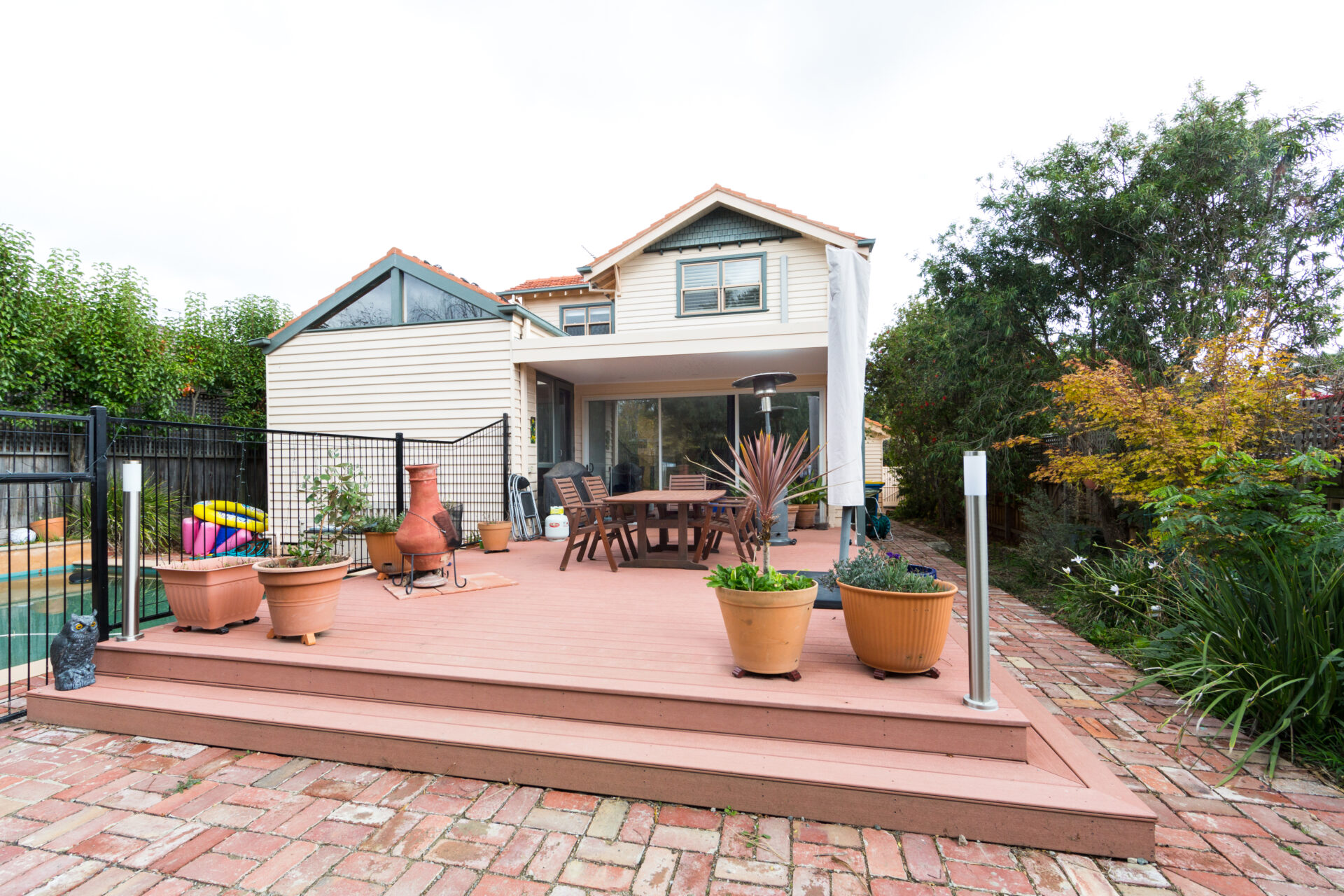
Answering: What are the top extension types for Melbourne inner suburb homes in 2025?
Estimated reading time: 10 mins
Yes, there are six proven home extension types dominating Melbourne’s inner suburbs in 2025, with rear extensions accounting for 60% of approvals in heritage overlay areas like Malvern and Armadale. Each extension type suits different property constraints, council requirements, and budget considerations, meaning your best choice depends heavily on your specific location and home style. Based on BY Projects Architecture’s 400+ completed residential projects across Melbourne’s inner suburbs, rear ground-floor extensions consistently deliver the strongest combination of value, approval speed, and lifestyle improvement for heritage and character homes.
You might feel overwhelmed by the sheer variety of extension options your neighbours seem to be choosing. One home adds a second storey while another extends into the backyard, and a third somehow transforms a narrow side passage into usable living space. This confusion is completely understandable because Melbourne’s inner suburbs genuinely do require different approaches depending on heritage overlays, council preferences, and site constraints.
The reality is that success with home extension types Melbourne depends on matching your extension choice to your property’s specific circumstances. A stunning second-storey addition in Boroondara might face rejection in heritage-protected Malvern, while the rear extension that sailed through Stonnington approval might consume too much garden space for a Brighton property with strict overshadowing rules. Understanding these local nuances before committing to a design direction saves months of costly redesigns and potential council knockbacks.
This guide draws on proven extension expertise across Malvern, Armadale, Brighton, and surrounding suburbs to help you identify which approach suits your home. Whether you’re researching costs, timelines, or council approval patterns, the following sections break down exactly what works in Melbourne’s inner east and bayside areas.
Key Insights
- Rear extensions cost 25 to 30 percent less than second-storey additions and gain approval faster in heritage zones
- Second-storey additions work best where streetscape rules allow vertical expansion
- Side returns suit narrow Victorian terraces despite requiring party wall agreements
- Stonnington Council approves 70% of ground-floor rear applications in suburbs like Malvern
- Simple rear extensions take six to eight months total including design, approvals, and construction phases
Keep reading for full details below.
Table of Contents
- Six Extension Types Transforming Melbourne Homes
- Why Location Determines Your Best Extension Option
- Cost Ranges and Construction Realities
- Frequently Asked Questions
- Want to Learn More
- Citations
- Conclusion
Six Extension Types Transforming Melbourne Homes
Rear extensions remain the most popular home extension types Melbourne homeowners choose, particularly for Victorian terraces where heritage facades and front setbacks cannot be altered. These extensions preserve your home’s street character while adding functional living space at the back of the property, typically connecting indoor and outdoor areas through new kitchen, dining, or living zones. For properties in heritage overlay areas, rear extensions offer the path of least resistance through council approval processes.
Second-storey additions work best in character zones where streetscape preservation rules focus on front facades rather than overall height restrictions. These additions suit properties with limited ground space but adequate structural foundations to support upper-level construction. Upper-level additions built over existing garages provide particularly cost-effective solutions because they use existing footprints and foundations.
Side return extensions maximise the narrow passages alongside Victorian terraces, especially common in Port Melbourne and South Melbourne. These extensions typically require party wall agreements with neighbours, adding two to three months to project timelines. Despite the additional coordination required, side returns can transform otherwise wasted corridor space into functional rooms or improved natural light access.
Wraparound extensions combine rear and side approaches for properties needing maximum space gains. Single-room additions suit targeted needs like home offices or additional bedrooms without major disruption. Garage conversions offer budget-friendly options for properties where car storage matters less than living space.
- Measure your property’s available ground space against local height restrictions to determine whether rear, upper-level, or side extension suits your site best.
- Check your local council’s preferred extension types through recent approval records from Stonnington, Boroondara, or Port Phillip councils.
Why Location Determines Your Best Extension Option
Stonnington Council typically favours rear extensions that preserve street frontage, with approximately 70% of approvals for ground-floor additions in suburbs like Malvern. Front-facade preservation and rear-garden extensions dominate approval patterns across this municipality, making rear options the lowest-risk choice for heritage properties. Understanding these council-specific preferences before design work begins prevents costly direction changes later.
Boroondara’s character areas often approve second-storey additions when designs set back from front facades and maintain existing roof-line visibility from the street. The key distinction here involves how visible your addition will be from public viewpoints rather than absolute height restrictions. Properties with existing single-storey rear sections often find approval easier because additions replace rather than expand the building envelope.
Heritage overlay zones across Malvern strongly prefer single-storey rear extensions that preserve roof lines visible from the street. BY Projects Architecture’s 59 heritage projects demonstrate this pattern repeatedly, with successful approvals focusing on designs that read as secondary to the original home when viewed from public areas. Internal modernisation combined with sympathetic rear extensions consistently achieves both heritage compliance and contemporary living standards.
Coastal properties in Brighton face additional height restrictions and overshadowing rules that make home extension types Melbourne planners recommend different from inner-city approaches. Ground-floor rear solutions typically fare better than vertical expansion due to stricter setback requirements protecting neighbour amenity and coastal character.
- Request your property’s planning overlay information from council to reveal which extension types face fewer approval hurdles.
- Walk your street to observe which extension types neighbours have successfully completed for real-world evidence of council preferences.
Cost Ranges and Construction Realities
Ground-floor rear extensions in Melbourne’s inner suburbs typically cost $2,500 to $4,000 per square metre in 2025, making them the most economical option compared to alternatives. This cost band reflects current labour rates, material prices, and permit expenses across Malvern, Armadale, and Brighton based on recent project completions. For a typical 40-square-metre rear extension, expect total construction costs between $100,000 and $160,000 before professional fees and contingencies.
Second-storey additions range from $3,000 to $5,000 per square metre due to structural reinforcement requirements and more complex approval processes. The additional cost reflects engineering work to strengthen existing foundations and walls, temporary propping during construction, and longer build programs requiring scaffolding access. Side return extensions fall between these ranges but party wall agreements add both direct costs and timeline extensions of two to three months.
Simple rear extensions take six to eight months total including design, approvals, and construction phases. Second-storey additions often require ten to twelve months due to more complex engineering documentation and council assessment periods. Budget for 15% contingency above quoted prices for unexpected structural work discovered during construction.
Factor in temporary accommodation costs if extending kitchen or bathroom areas, as these projects typically require four to six weeks of limited home functionality. Combining extension types can reduce per-square-metre costs while maximising space gains through shared roof structures and single approval processes.
- Get structural engineering advice early at $1,500 to $3,000 for initial assessment to understand foundation requirements before finalising designs.
- Request per-square-metre pricing breakdowns from architects experienced in your specific council area for meaningful cost comparisons.
Your extension choice shapes your home’s functionality and value for decades, making early expert guidance worthwhile. With 400+ projects across Melbourne’s inner suburbs including 59 heritage properties, BY Projects Architecture understands which approaches each council prefers for faster approvals. The right extension type matched to your property’s constraints delivers lasting satisfaction without approval headaches or budget blowouts.
For a deeper look, visit https://byarchitecture.com.au/residential-architects-melbourne/
Frequently Asked Questions
Q: Which extension type offers the best value in Melbourne’s inner suburbs?
A: Rear ground-floor extensions consistently deliver the best value, costing 25–30% less than second-storey additions ($2,500–$4,000 per square metre versus $3,000–$5,000) while avoiding complex structural reinforcement. They maintain your home’s street character, typically don’t require you to relocate during construction, and for a typical 40-square-metre addition, save you $40,000–$60,000 compared to going up. Councils favour rear extensions in character zones—Stonnington approves 70% of ground-floor rear applications—so approval timelines are shorter (6–8 months versus 10–12 for second-storey). BY Projects’ 400+ completed projects across Malvern, Armadale, and Brighton confirm this pattern: practical, affordable, and reliable.
Q: How do I know which extension type my council will actually approve?
A: Request your property’s planning overlay information from council—this single document reveals whether you’re in a heritage, character, coastal, or standard zone, which directly determines which home extension types face fewer approval hurdles. Walk your street and observe which extension types neighbours have successfully completed; this provides real-world evidence faster than reading policies. Council pre-application meetings are invaluable—Stonnington, Boroondara, and Port Phillip planning teams often signal approval likelihood before formal lodgement, saving 1–2 months if you adjust designs early based on their feedback.
Q: What’s a realistic timeline from start to finish?
A: Simple rear extensions typically take 6–8 months total (design, approvals, and construction), while second-storey additions often require 10–12 months due to structural complexity and more detailed approval requirements. Side return extensions fall in between at 8–10 months, though party wall agreements with neighbours can add 2–3 months if not started early. The biggest variable isn’t the building itself—it’s how early you engage with your council and neighbours, which is why professional measured drawings and pre-application meetings matter so much.
Q: How should I start my extension project?
A: Begin with a site analysis, not just design discussions. Understanding your property’s constraints (heritage features, council overlays, neighbour relationships, site orientation) saves months of rework later. Prepare a clear brief listing must-haves (e.g., “three-bedroom extension”) versus nice-to-haves (e.g., “polished concrete floor”)—this focuses design work and speeds decision-making. Finally, book a consultation with architects who’ve completed similar extensions in your specific council area; they’ll understand local approval patterns and can guide you through the process with realistic expectations.
Want to Learn More
We’ve drawn on decades of team experience and practical knowledge of Melbourne Building Authority compliance to create this comprehensive guide for homeowners across Melbourne’s inner suburbs. Every insight reflects real projects, council feedback, and the patterns we’ve observed completing 400+ residential projects since our practice began.
Citations
- Small Home Extensions Melbourne Solutions: This resource confirms current per-square-metre cost ranges and extension type classifications that align with 2025 construction pricing across Melbourne’s inner suburbs. https://www.cameronconstruction.com.au/small-home-extensions-melbourne-solutions/
- House Extensions in Melbourne: Provides context on approval timelines and council-specific requirements, validating the 6–8 month and 10–12 month project duration ranges referenced throughout this guide. https://magicnewfamilyhomes.com.au/ultimate-guide-to-house-extensions-in-melbourne-2025/
- House Extensions Melbourne Your Options: Covers extension type classifications and practical construction considerations that support the cost and timeline advice for homeowners navigating their first extension project. https://www.cameronconstruction.com.au/house-extensions-melbourne-your-options/
All extension work in Victoria must comply with the Victorian Building Authority’s Guide to Domestic Building Contracts and local council planning frameworks. Stonnington, Boroondara, and Port Phillip councils publish specific planning overlays and character guidelines that determine which home extension types align with their approval priorities.
If you’d like to learn more, visit https://byarchitecture.com.au/residential-architects-melbourne/ to explore how we approach residential extension design across Melbourne’s inner suburbs.
Ready to explore which extension type suits your Melbourne home? Let’s discuss your property’s unique opportunities and constraints in a relaxed consultation—whether you’re in Malvern, Armadale, Brighton, or nearby suburbs, we’ve guided clients through similar projects and can help you navigate approvals, costs, and timelines with confidence. With 59 heritage properties and 400+ completed extensions behind us, we understand what each council prefers and how to get your design approved faster. The best time to start is now, when you can plan carefully and avoid costly surprises down the track.
Conclusion
Choosing the right extension type for your Melbourne inner suburb home requires careful consideration of council preferences, heritage requirements, and your property’s unique constraints. Rear extensions remain the most reliable choice for heritage zones, offering faster approvals and lower costs, while second-storey additions suit properties where vertical expansion aligns with local character guidelines. With the right guidance and early engagement with council processes, your extension project can deliver lasting value and lifestyle improvements for decades to come.
By
Jan 22, 2026


Jordan Hughes
23:36 01 May 25

Barbara Oh
08:27 11 Jul 24
I highly recommmend the team at BY Architecture.
Barbara, Howard and the team designed a wonderful extension to my late 1960s Melbourne home, ran the tender process to find me a builder, and superintended the build contract.
The design process that Barbara took me through was comprehensive, well-considered and highly collaborative, and the resulting extension and renovation was incredibly well-tailored to my specific needs and desires.
The tender process was similarly well-run, and we ended up choosing a builder that Barbara had worked with many times before and recommended. The recommendation was a great one and the entire build ran very smoothly, with the many quirks arising in a typical renovation being dealt with intelligently and with no fuss.
During the entire time I worked with them, Barbara and her team went over-and-above to keep me happy. As a result of their attention to detail and their focus on customer service, they ensured that what can often be a stressful time was actually a pleasure. I cannot thank them enough and would work with them again in a heartbeat.
Barbara, Howard and the team designed a wonderful extension to my late 1960s Melbourne home, ran the tender process to find me a builder, and superintended the build contract.
The design process that Barbara took me through was comprehensive, well-considered and highly collaborative, and the resulting extension and renovation was incredibly well-tailored to my specific needs and desires.
The tender process was similarly well-run, and we ended up choosing a builder that Barbara had worked with many times before and recommended. The recommendation was a great one and the entire build ran very smoothly, with the many quirks arising in a typical renovation being dealt with intelligently and with no fuss.
During the entire time I worked with them, Barbara and her team went over-and-above to keep me happy. As a result of their attention to detail and their focus on customer service, they ensured that what can often be a stressful time was actually a pleasure. I cannot thank them enough and would work with them again in a heartbeat.

thir carc
12:44 17 Jun 24
Barbara is very friendly and easy to work with. Thank you for the great advices.
Response from the owner 23:14 17 Jun 24
thank you Arik. Happy to be helpful
Emily Campbell
02:59 31 May 24
Barbara and the BY Projects team were fantastic to work with for our knockdown-rebuild. We had no idea what we were doing or getting ourselves in for, and through every stage of the process Barbara explained everything and was supportive and transparent.
She drew plans for a beautiful house for us which fulfilled everything we wanted while adding such flair and style that we never could have imagined ourselves.
I was so glad to have her and her team on my side throughout the build process, as we would have struggled to advocate for ourselves (or even notice) mistakes or defects by the builder.
Overall, we just couldn’t be happier with the final result.
She drew plans for a beautiful house for us which fulfilled everything we wanted while adding such flair and style that we never could have imagined ourselves.
I was so glad to have her and her team on my side throughout the build process, as we would have struggled to advocate for ourselves (or even notice) mistakes or defects by the builder.
Overall, we just couldn’t be happier with the final result.
Response from the owner 06:53 31 May 24
Thank you for your enthusiasm Emily. And thank you for trusting us with your dream Home. It's been a pleasure working with you and your family, and we trust you will enjoy your home for the years to come.
Jennifer Hauptman
03:43 04 Feb 24

Koray Yazgan
03:49 13 Mar 21
We recently had the pleasure of carrying out a renovation for Barbara and BY Projects Architecture.
The project ran very smoothly from receiving the plans, to handover day.
Barbara pays very close attention to detail and takes great pride in her work.
We look forward to working with BY again on future projects.
The project ran very smoothly from receiving the plans, to handover day.
Barbara pays very close attention to detail and takes great pride in her work.
We look forward to working with BY again on future projects.
Response from the owner 22:11 30 Mar 21
Thank you Koray. It was a pleasure working with AMCON Homes, we look forward to working with you again in the future.
Janardhan S
05:35 15 Feb 21
Barbara provided excellent professional advice regarding Town planning and approval process by the Council. She went out of her way to find the right information and help me. Will surely use their services again when necessary.
I would highly recommend them.
I would highly recommend them.
Response from the owner 01:37 16 Feb 21
Thank you Jarardhan. We do hope you find a more suitable site soon to build your dream homeBarbara
Sophie Banfield
13:34 29 Apr 20
We were in a very difficult position after a VCAT rejection. Barbara came into our project and reimagined what was possible with our property. Going from a house with three shops with significantly reduced value to a development with two town houses, a cafe and all able to be subdivided into three separate properties. Barbara was positive, enthusiastic, charming at planning meeting and all in all kept us positive and hopeful. Barbara went through the whole process with us and I would say went above and beyond what would generally be expected. She worked well with our development team, working out strategies for planning challenges. We are very thankful for her time and energy.

Mark Shannon
23:46 24 Aug 19
We engaged Barbara and her team many times over many years for our Building Development Projects, including Multi Residential, Child Care and Mixed Use. Most recently for a couple of houses in Port Melbourne with complex Heritage Overlay requirements.
Barbara worked with us closely to ensure all design requirements were achieved to exceed market expectations. All permit requirements were managed in a professional and timely manner, and all processes were met on time and on budget.
The finished buildings were outstanding and the realized sales well above market expectations.
We highly recommend BY Projects Architecture for their Design sense and construction experience.
Barbara worked with us closely to ensure all design requirements were achieved to exceed market expectations. All permit requirements were managed in a professional and timely manner, and all processes were met on time and on budget.
The finished buildings were outstanding and the realized sales well above market expectations.
We highly recommend BY Projects Architecture for their Design sense and construction experience.

Virginia Jackson
05:25 24 May 19
I have worked with Barbara and the team at BY Projects on a number of projects now. Its hard to think how you could get better value for money. They are great architects - that goes without saying. But its the extra mile they go to on your behalf in order to secure the very best for you that makes all the difference. I wouldn't hesitate to recommend them for your next project.
Response from the owner 06:02 24 May 19
Thank you Virginia for your kind words. It is always a pleasure working with you.