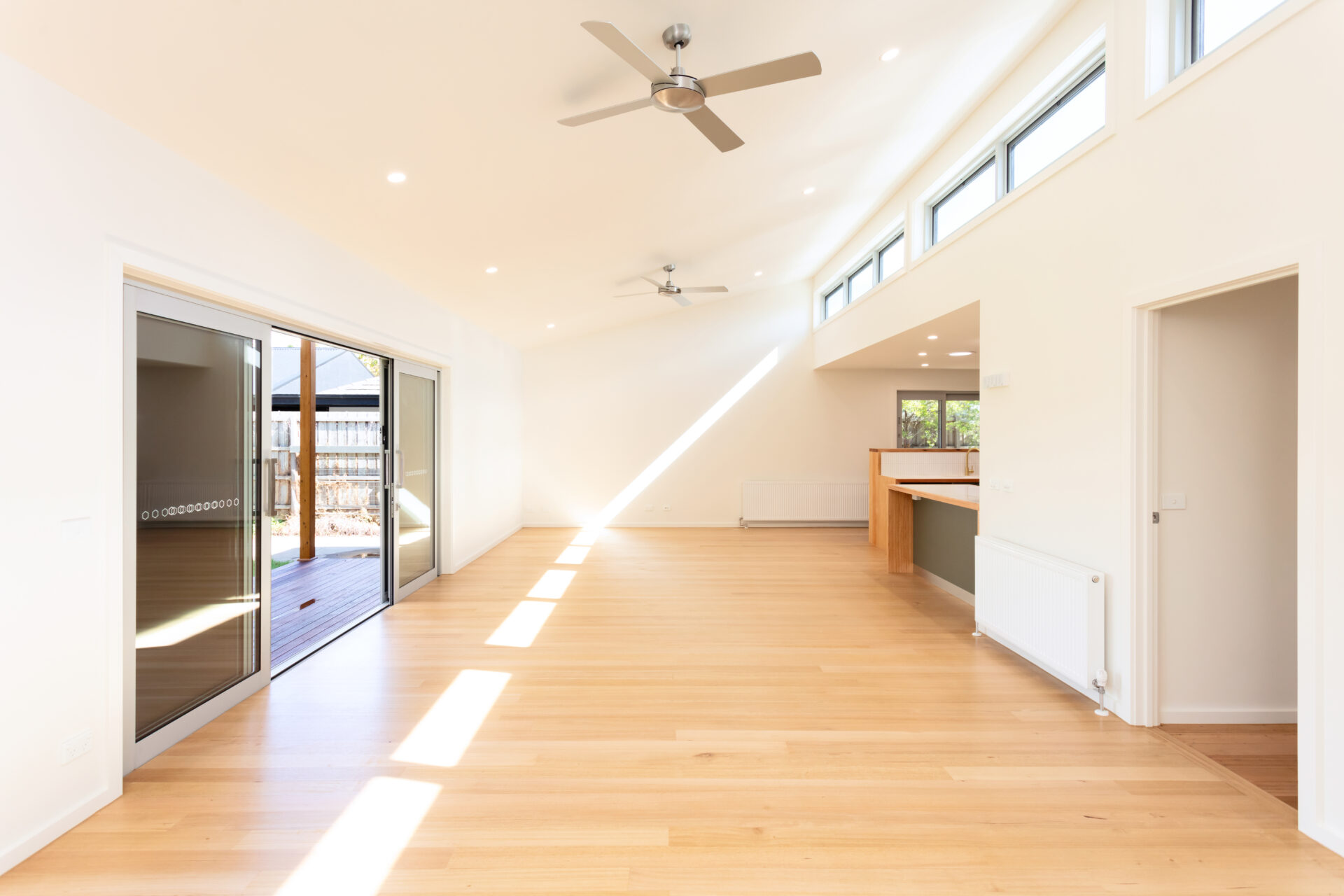
Answering: How do I integrate sustainable features into an Albert Park heritage home?
Estimated reading time: 6 mins
Living in a heritage home in Albert Park or St Kilda means embracing both charm and challenge. While you cherish the period features and historical significance of your property, the reality of Melbourne’s changing climate patterns can make comfort feel like a constant compromise. Those summer heatwaves and winter drafts aren’t just inconvenient, they’re affecting your energy bills and environmental impact.
The push for sustainable living has transformed how we think about heritage properties. Traditional approaches often placed heritage preservation and modern efficiency at odds, forcing homeowners to choose between character and comfort. But with evolving technologies and smarter design strategies, that compromise is no longer necessary.
Recent advances in sustainable building practices, combined with more flexible heritage guidelines, have opened new possibilities for Melbourne’s period homes. The growing availability of sympathetic upgrade options means heritage homeowners can now achieve significant efficiency improvements while maintaining the historical integrity their neighbourhoods are known for.
This comprehensive guide reveals practical strategies for incorporating sustainable features into your heritage home, based on real projects across Port Phillip. You’ll discover how to navigate heritage requirements, maximise energy efficiency, and preserve the character that makes your property special.
Key Insights
- Heritage homes can achieve up to 40% energy savings through invisible upgrades that preserve period features
- In Melbourne’s heritage zones, focusing on roof spaces and rear modifications typically offers the clearest path to approval
- The key is starting with the building fabric itself before considering modern technology additions
- Strategic improvements to roof spaces, rear additions, and internal layouts provide the most significant sustainability gains
- Ceiling and underfloor insulation typically reduces heat loss by 25% in Melbourne’s period properties
Keep reading for full details below.
- What Old Meets Green Looks Like
- A Practical, Fabric-First Plan
- Albert Park And St Kilda: Rules And Reality
- Frequently Asked Questions
What Old Meets Green Looks Like
The integration of sustainable features into heritage homes requires a delicate balance of respect and innovation. BY Architecture’s experience across 59 heritage projects in Port Phillip has shown that the most successful upgrades often go unnoticed from the street. This invisible approach focuses on strategic improvements that maximise impact while minimising visual change to character features.
Most significant sustainability gains come from carefully planned modifications to roof spaces, rear additions, and internal layouts. These changes can dramatically improve a home’s performance without compromising its historical integrity. Our projects consistently demonstrate that heritage overlay requirements and modern sustainability standards can work together harmoniously.
The implementation of passive solar design principles has proven particularly effective in Melbourne’s heritage context. Through thoughtful modification of existing features and selective introduction of new elements, we regularly achieve energy cost reductions of 30 to 40% while maintaining period authenticity. This approach considers the unique characteristics of each property, ensuring improvements complement rather than compete with heritage elements.
- Download our Heritage Victoria compatibility checklist
- Book a complimentary 30-minute sustainability assessment
A Practical, Fabric-First Plan
The most effective path to a sustainable heritage home begins with understanding your property’s existing fabric. Starting with fundamental improvements like ceiling and underfloor insulation typically reduces heat loss by 25% in Melbourne’s period properties. This foundational work creates opportunities for more sophisticated upgrades later.
Our experience with City of Port Phillip regulations has shown that careful planning and documentation are essential for successful heritage modifications. BY Architecture specialises in navigating these complex requirements, ensuring proposed changes meet both preservation standards and sustainability goals. This expertise has proven particularly valuable in sensitive heritage overlay areas.
Glazing improvements represent another crucial aspect of heritage home sustainability. Through careful window restoration and strategic secondary glazing installation, we regularly achieve thermal performance improvements of up to 35%. These modifications respect original features while significantly enhancing comfort and efficiency.
- Request your detailed thermal performance assessment
- Begin preliminary approval documentation
Albert Park And St Kilda: Rules And Reality
Navigating heritage requirements in Albert Park and St Kilda demands local knowledge and proven experience. Our 90% success rate in obtaining planning approvals for sustainable modifications stems from understanding both regulatory requirements and neighbourhood character. This practical knowledge helps shape proposals that satisfy heritage guidelines while achieving meaningful sustainability improvements.
The key to success lies in focusing modifications where they’ll have the least visual impact but maximum benefit. Street façades remain largely unchanged, while rear additions and internal modifications create opportunities for significant performance improvements. This approach maintains neighbourhood character while delivering modern comfort and efficiency.
Working within City of Port Phillip guidelines requires a thorough understanding of both heritage and sustainability requirements. Our experience shows that council generally supports energy-efficient designs that respect neighbourhood character, particularly when presented with clear documentation and thoughtful design solutions.
- Schedule a pre-application consultation with heritage experts
- Begin preparing your Heritage Impact Statement
In Melbourne’s evolving building landscape, the National Construction Code 2022 Energy Efficiency provisions provide clear benchmarks for sustainable upgrades. Drawing on our experience across 400+ projects, including 59 heritage renovations, we’ve developed practical approaches that satisfy both heritage and sustainability requirements. The path to a more sustainable heritage home is clear, achievable, and ready for you to explore.
For more detailed insights into our renovation approach, visit https://byarchitecture.com.au/renovation-architects-melbourne/
Frequently Asked Questions
Q: Will solar panels be approved on my Albert Park heritage roof?
A: Low-profile solar panels set back from the street view, combined with detailed visual documentation and a strategic Heritage Impact Statement, can significantly increase the likelihood of approval for your sustainable heritage renovation in Melbourne.
Q: Do I need to hire a professional for my heritage renovation, or can I manage it myself?
A: While some aspects of renovation can be DIY-friendly, heritage home renovations, particularly those focused on sustainability, require a nuanced understanding of regulations and compliance. Partnering with an experienced architect ensures you meet local requirements while preserving your home’s character.
Q: How long does a typical sustainable heritage renovation take?
A: The timeline for a sustainable heritage renovation in Melbourne typically ranges from 6 to 10 months. This includes stages like concept development, planning, and construction, allowing for thorough project planning and execution.
Q: What should be my first step if I want to start a heritage home renovation?
A: Begin by gathering existing home documentation and creating a wishlist of your desired outcomes. Scheduling an initial site consultation with a heritage sustainability expert is essential to understand the project’s potential and align your vision with practical solutions.
Want to Learn More?
We’ve drawn on decades of experience and industry expertise to create this comprehensive guide for Melbourne homeowners. Our insights help you navigate the unique challenges of sustainable heritage renovations.
Citations
- “Mind the gaps” — This detailed exploration of passive house design highlights the importance of airtightness and continuous insulation, crucial for reducing energy loss in heritage homes. https://renew.org.au/sanctuary-magazine/sustainable-design/mind-the-gaps-passive-house-from-the-inside/
- “Home Renovator Melbourne” — Offers examples of sustainable home renovations, showcasing the practical side of integrating new technologies into heritage properties. https://sustainablehomesmelbourne.com.au/
- “Sustainable House Design Projects” — Demonstrates successful integration of eco-friendly features in older homes, crucial for balancing modern efficiency with heritage aesthetics. https://www.envirotecture.com.au/projects/sustainable-house-design/
Industry compliance is essential, as referenced in the National Construction Code (NCC) 2022, which outlines energy efficiency expectations and articulates how to align alterations with heritage and environmental standards.
If you’d like to learn more, visit https://byarchitecture.com.au/renovation-architects-melbourne/ to explore how we approach integrating sustainable features into an Albert Park heritage home.
Ready to transform your heritage home? Contact BY Architecture for a personalized sustainability consultation tailored to Melbourne’s unique architectural landscape. With a proud history of over 400 projects completed, including 59 heritage renovations and 235+ social housing dwellings, we blend local insights with global architectural practices to make your dream home a reality. Embark on a journey towards a home that balances the charm of its history with the comfort and efficiency of modern living. Let’s get started on your sustainable heritage renovation today!
“`