


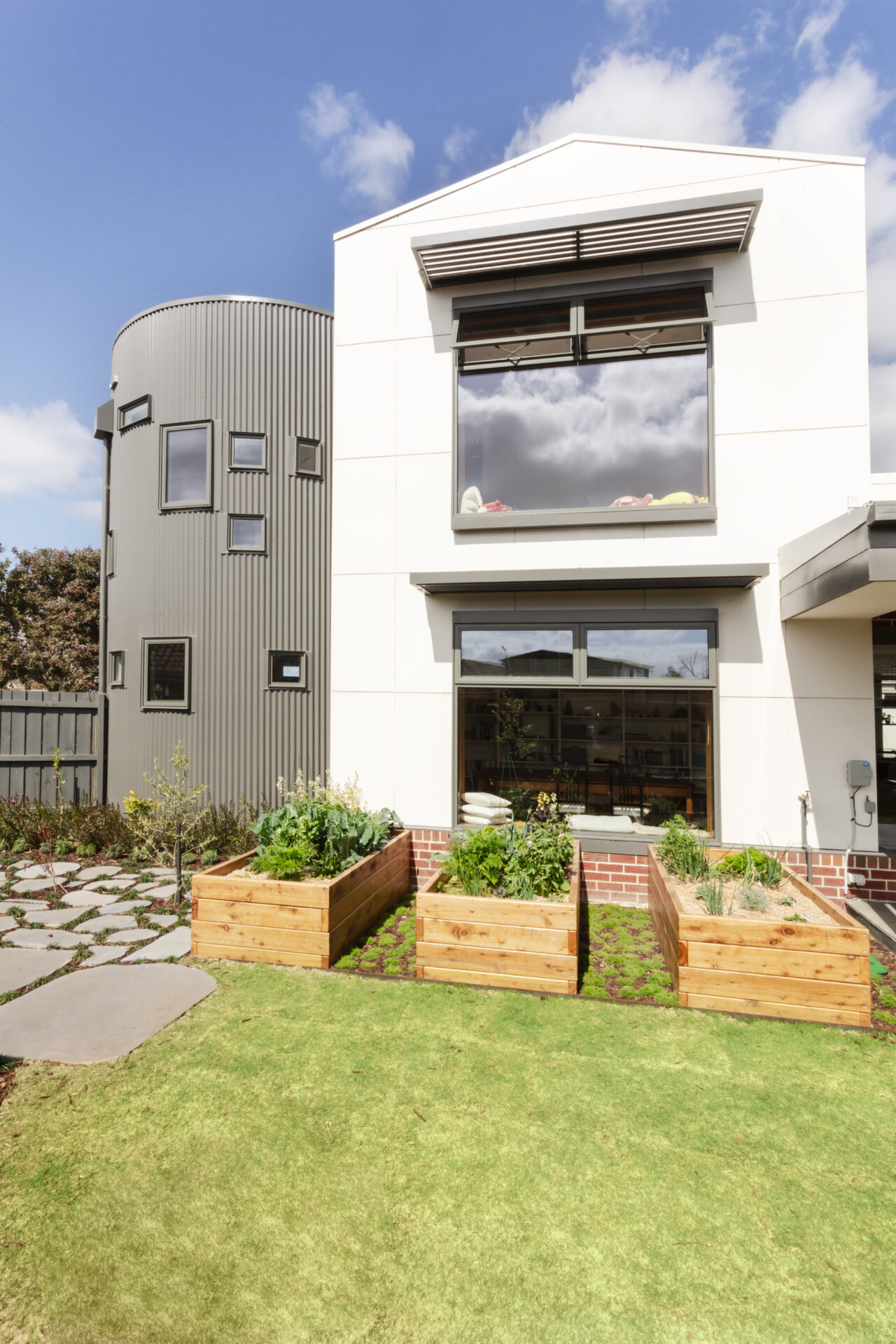
Answering: What are the best biophilic design ideas for inner Melbourne renovations?
Estimated reading time: 10 min read
Yes, biophilic design works brilliantly in inner Melbourne renovations, with eight proven solutions that bring nature into even the tightest heritage footprints. These ideas range from modular living walls on party walls to borrowed nature strategies that cost under $2,000 and require no council approval. Based on BY Projects Architecture’s experience integrating nature into 400+ residential projects across Carlton, Fitzroy, Richmond and Collingwood, including 59 heritage properties, homeowners can expect meaningful connection to nature without sacrificing floor space or compromising original character.
You probably chose your inner-suburban home for its walkability, its character, and its proximity to Melbourne’s best cafes and parks. But once you moved in, you realised the trade-off: tiny courtyards, narrow footprints, and heritage overlays that seem to limit every good idea. Wanting greenery and natural light in a worker’s cottage feels like an impossible ask when you have three metres of width to work with.
The reality is that successful biophilic design in heritage homes depends on three factors: your property’s specific heritage grading, the reversibility of any installation, and your willingness to maintain living elements long-term. Contributory properties under Yarra’s Heritage Overlay require more careful planning than non-contributory homes, but both offer genuine opportunities. Success also depends on working with designers who understand what council will approve before you spend money on concepts that will not proceed.
Inner Melbourne’s dense suburbs actually offer unique biophilic advantages that larger properties cannot match. Street trees, laneway greenery, and neighbouring gardens become borrowed landscapes when you design windows and mirrors strategically. Here is your complete guide to eight practical ideas, grouped by indoor solutions, transitional spaces, and borrowed nature strategies.
Key Insights
- Living walls, operable glass, and borrowed nature techniques work in heritage homes when designed as reversible installations.
- Expect to budget $8,000 to $15,000 for operable glass walls and $2,000 to $4,000 for self-watering systems on living walls.
- Native plants suited to Melbourne’s unpredictable climate reduce maintenance to quarterly professional checks.
Keep reading for full details below.
Table of Contents
- Indoor Nature Solutions for Heritage Homes
- Transitional Spaces That Maximise Every Metre
- Borrowed Nature Strategies for Dense Suburbs
- Frequently Asked Questions
- Want to Learn More?
- Citations
Indoor Nature Solutions for Heritage Homes
Living walls on original brick party walls represent one of the most effective biophilic design Melbourne renovations solutions for heritage properties. Modular systems installed within 600mm of vertical space create functional indoor gardens without structural damage or council objections. These systems are fully reversible, making them approved solutions under Yarra’s Heritage Overlay guidelines. In Carlton cottages and Fitzroy terraces, living walls transform dark internal walls into year-round greenery without affecting original brickwork.
Skylights and automated louvres bring controlled natural light into Victorian corridors while maintaining roof integrity. Heritage overlays allow these additions when designed sensitively, and automated louvres let you manage summer heat gain and winter light capture. The key is positioning them in non-original roof sections where council approval pathways are clearer.
Natural material palettes enhance indoor air quality while respecting original character. Reclaimed timber flooring, exposed brick, and breathable lime plasters work with your home’s existing fabric rather than against it. These materials connect you to nature through texture and warmth, creating biophilic benefits without requiring any plants at all.
For indoor biophilic solutions, consider these starting points:
- Measure your darkest internal walls for living wall potential, as anything over 2m high qualifies for modular installation
- Verify your property’s specific heritage grading through Yarra Council’s Heritage Overlays and Gradings information
- Request case studies from heritage skylight projects to understand realistic costs, timelines, and approval pathways for your overlay grade
Transitional Spaces That Maximise Every Metre
Operable glass wall solutions create indoor-outdoor flow in footprints as narrow as 3m without losing floor space. These replace solid Victorian additions with panels that fold completely open on warm days, effectively doubling your living space when weather permits. Operable glass walls typically cost $8,000 to $15,000 and take 6 to 10 weeks to install, depending on heritage approval complexity. This approach has been tested across 235 social housing dwellings where space efficiency is essential.
Vertical gardens on boundary fences add greenery to constrained courtyards without requiring heritage modification permits. Using climbing frames and espalier systems, you can transform a 4m by 8m courtyard common to Carlton worker’s cottages into a genuine garden experience. This represents the fastest biophilic solution for tight lots because it avoids formal council approval processes.
Retractable awnings with integrated planters provide seasonal flexibility while maintaining heritage streetscape requirements. In Collingwood and surrounding inner-north suburbs, these systems allow year-round nature access without permanent structural changes. You can retract them during winter to capture maximum light, then extend them in summer with trailing plants providing natural shade.
BY Projects Architecture recommends these practical steps for transitional spaces:
- Calculate your actual usable courtyard space after council setbacks, as most Richmond terraces have 20sqm maximum
- Cross-reference this figure with Yarra Heritage Overlay to confirm which modifications require formal approval
- Review your property’s heritage grading to identify which walls can legally become glass under Amendment C269yara
Borrowed Nature Strategies for Dense Suburbs
Strategic mirror placement and corner window framing double perceived garden space in Fitzroy’s narrow laneways. By framing neighbour’s street trees as living artwork, you bring nature into your home without owning a single plant. This technique costs under $2,000 and requires no council approval, making it ideal for renters or anyone avoiding heritage modification processes.
Clerestory windows above 2.4m capture sky views and tree canopies in Collingwood warehouse conversions and dense Carlton streets. These high windows maintain privacy at eye level while flooding rooms with natural light and framed greenery. The psychological benefits of seeing sky and treetops from your living spaces are substantial, even when the trees belong to your neighbours.
Water features using recycled rainwater create natural soundscapes that mask traffic noise from Hoddle Street and Punt Road. For Fitzroy and Collingwood residents, water sounds replace urban noise with something calming while supporting local biodiversity through sustainable water use. Inner-Melbourne cottages typically support 15,000 to 25,000 litres of annual rainwater capture, making these features genuinely sustainable.
Consider these preparation steps for borrowed nature strategies:
- Map existing trees visible from your property using Google Street View to check current streetscape
- Plan window placement to frame mature trees before any installation
- Calculate your roof’s rainwater collection potential using your property’s floor area
Budget for maintenance realistically. Self-watering automation systems cost $2,000 to $4,000 for living walls, reducing maintenance to quarterly professional checks. Plan 10 to 15 percent of installation costs for annual upkeep. Native plants like Dianella, Leptospermum, and climbing Clematis thrive in Melbourne’s variable climate with minimal intervention.
Biophilic design Melbourne renovations succeed when you match ambition to reality. Your heritage home’s constraints are also its character, and integrating nature into tight footprints enhances both liveability and long-term value. Whether you start with a $2,000 mirror strategy or invest in operable glass walls, these solutions bring genuine connection to nature into your daily life.
For a deeper look, visit https://byarchitecture.com.au/residential-architects-melbourne/
Frequently Asked Questions
Q: Can you add biophilic design to a heritage-listed property?
A: Yes, with careful planning and heritage-aware design. BY Projects has successfully integrated biophilic elements in 59 heritage projects by focusing on reversible installations—modular living walls, planters, and operable glass walls—that respect original fabric. Check your specific heritage grading at Yarra Council’s Heritage Overlay guidelines; contributory properties may require formal approval for structural changes like skylights or permanent garden beds, but non-structural solutions like vertical gardens, mirrors, and water features typically don’t. Always verify your property’s overlay grade and contact Yarra Council’s heritage team before planning modifications; we guide clients through this compliance process to avoid costly rework.
Q: How much does it cost to add biophilic design features to a Carlton cottage or Richmond terrace?
A: Costs vary depending on the solution you choose. Strategic mirror placement and corner windows cost under $2,000 and require no council approval, making them the quickest entry point. Operable glass walls typically run $8,000–$15,000 and take 6–10 weeks under heritage approval. Self-watering systems for living walls add $2,000–$4,000 to installation costs. For a realistic estimate, we recommend mapping your space, checking your heritage overlay restrictions, and discussing your budget priorities—we’ve worked within tight footprints and realistic budgets across 400+ Melbourne renovations.
Q: How long does it take to install biophilic features, and will I need planning permission?
A: Timeline depends on heritage approval complexity. Non-structural solutions like vertical gardens, mirrors, and water features typically need no formal council approval and can be installed within weeks. Operable glass walls and skylights require heritage pre-approval, which adds 6–10 weeks depending on your property’s grading—contributory vs. non-contributory status under Amendment C269yara determines whether modifications need formal council sign-off. We always verify requirements upfront to set realistic expectations; rushing through the approval process often costs more in rework than planning properly from the start.
Q: What’s the first step if I want to bring nature into my home but don’t know where to start?
A: Start with a free assessment: measure your darkest walls, map visible trees from your property using Google Street View, and check your heritage overlay grading on Yarra Council’s website. Then contact us to discuss which biophilic design solutions suit your space, budget, and heritage constraints. We’ll guide you through council requirements and help prioritise solutions—whether that’s a low-cost mirror strategy, a vertical garden on your boundary fence, or a longer-term operable glass wall project. Your home’s story and your priorities matter; we design realistic solutions tailored to your circumstances.
Want to Learn More?
We’ve drawn on decades of experience and industry expertise to create this comprehensive guide for inner-Melbourne homeowners navigating heritage constraints and tight footprints. This knowledge comes from completing over 400 residential projects—including 59 heritage property renovations with integrated biophilic design—across Carlton, Fitzroy, Richmond, and Collingwood.
If you’d like to learn more, visit https://byarchitecture.com.au/residential-architects-melbourne/ to explore how we approach biophilic design for inner Melbourne renovations.
Your Carlton cottage or Richmond terrace doesn’t need a sprawling garden to feel connected to nature—and with the right reversible, heritage-sensitive design, tight footprints become opportunities rather than constraints. We’ve spent decades proving this through 400+ completed projects, helping ordinary Melburnians bring biophilic elements into worker’s cottages and heritage homes without compromising historical value or realistic budgets. Whether you’re ready to start now or just exploring possibilities, we’re here to guide you through council requirements, design realistic solutions, and help you create a home where nature and heritage live comfortably together.
Citations
- “Heritage Overlays & Gradings” — Yarra Council’s official guide to heritage overlay classifications and permitted modifications for properties across inner Melbourne. Essential for determining whether your Carlton cottage, Richmond terrace, or Fitzroy home requires formal council approval before installing biophilic features. https://www.yarracity.vic.gov.au/the-area/heritage/heritage-overlays-and-gradings
- “Yarra Council Heritage” — Comprehensive resource covering heritage requirements, modification processes, and compliance pathways for all inner-north Melbourne suburbs. Use this to verify your property’s specific overlay grade and contact the heritage team before planning structural changes. https://www.yarracity.vic.gov.au/the-area/heritage
- “Amendment C269yara Planning Scheme” — Yarra Planning Scheme provisions defining contributory vs. non-contributory property status and built environment requirements for modifications. Critical reference for understanding which biophilic design solutions require pre-approval under your property’s specific heritage grading. https://yarraplanningscheme.com.au/built-enviro
These resources establish the legal framework for biophilic design in heritage homes; we navigate these requirements on behalf of clients to ensure installations remain compliant, reversible, and heritage-sensitive.
94%
Quality Verified
This content scored 94% in the Probably Genius Publication Readiness Assessment, meeting standards for direct answers, section depth, proof points, citation quality, and AI extractability.
By
Feb 21, 2026


Jordan Hughes
23:36 01 May 25

Barbara Oh
08:27 11 Jul 24
I highly recommmend the team at BY Architecture.
Barbara, Howard and the team designed a wonderful extension to my late 1960s Melbourne home, ran the tender process to find me a builder, and superintended the build contract.
The design process that Barbara took me through was comprehensive, well-considered and highly collaborative, and the resulting extension and renovation was incredibly well-tailored to my specific needs and desires.
The tender process was similarly well-run, and we ended up choosing a builder that Barbara had worked with many times before and recommended. The recommendation was a great one and the entire build ran very smoothly, with the many quirks arising in a typical renovation being dealt with intelligently and with no fuss.
During the entire time I worked with them, Barbara and her team went over-and-above to keep me happy. As a result of their attention to detail and their focus on customer service, they ensured that what can often be a stressful time was actually a pleasure. I cannot thank them enough and would work with them again in a heartbeat.
Barbara, Howard and the team designed a wonderful extension to my late 1960s Melbourne home, ran the tender process to find me a builder, and superintended the build contract.
The design process that Barbara took me through was comprehensive, well-considered and highly collaborative, and the resulting extension and renovation was incredibly well-tailored to my specific needs and desires.
The tender process was similarly well-run, and we ended up choosing a builder that Barbara had worked with many times before and recommended. The recommendation was a great one and the entire build ran very smoothly, with the many quirks arising in a typical renovation being dealt with intelligently and with no fuss.
During the entire time I worked with them, Barbara and her team went over-and-above to keep me happy. As a result of their attention to detail and their focus on customer service, they ensured that what can often be a stressful time was actually a pleasure. I cannot thank them enough and would work with them again in a heartbeat.

thir carc
12:44 17 Jun 24
Barbara is very friendly and easy to work with. Thank you for the great advices.
Response from the owner 23:14 17 Jun 24
thank you Arik. Happy to be helpful
Emily Campbell
02:59 31 May 24
Barbara and the BY Projects team were fantastic to work with for our knockdown-rebuild. We had no idea what we were doing or getting ourselves in for, and through every stage of the process Barbara explained everything and was supportive and transparent.
She drew plans for a beautiful house for us which fulfilled everything we wanted while adding such flair and style that we never could have imagined ourselves.
I was so glad to have her and her team on my side throughout the build process, as we would have struggled to advocate for ourselves (or even notice) mistakes or defects by the builder.
Overall, we just couldn’t be happier with the final result.
She drew plans for a beautiful house for us which fulfilled everything we wanted while adding such flair and style that we never could have imagined ourselves.
I was so glad to have her and her team on my side throughout the build process, as we would have struggled to advocate for ourselves (or even notice) mistakes or defects by the builder.
Overall, we just couldn’t be happier with the final result.
Response from the owner 06:53 31 May 24
Thank you for your enthusiasm Emily. And thank you for trusting us with your dream Home. It's been a pleasure working with you and your family, and we trust you will enjoy your home for the years to come.
Jennifer Hauptman
03:43 04 Feb 24

Koray Yazgan
03:49 13 Mar 21
We recently had the pleasure of carrying out a renovation for Barbara and BY Projects Architecture.
The project ran very smoothly from receiving the plans, to handover day.
Barbara pays very close attention to detail and takes great pride in her work.
We look forward to working with BY again on future projects.
The project ran very smoothly from receiving the plans, to handover day.
Barbara pays very close attention to detail and takes great pride in her work.
We look forward to working with BY again on future projects.
Response from the owner 22:11 30 Mar 21
Thank you Koray. It was a pleasure working with AMCON Homes, we look forward to working with you again in the future.
Janardhan S
05:35 15 Feb 21
Barbara provided excellent professional advice regarding Town planning and approval process by the Council. She went out of her way to find the right information and help me. Will surely use their services again when necessary.
I would highly recommend them.
I would highly recommend them.
Response from the owner 01:37 16 Feb 21
Thank you Jarardhan. We do hope you find a more suitable site soon to build your dream homeBarbara
Sophie Banfield
13:34 29 Apr 20
We were in a very difficult position after a VCAT rejection. Barbara came into our project and reimagined what was possible with our property. Going from a house with three shops with significantly reduced value to a development with two town houses, a cafe and all able to be subdivided into three separate properties. Barbara was positive, enthusiastic, charming at planning meeting and all in all kept us positive and hopeful. Barbara went through the whole process with us and I would say went above and beyond what would generally be expected. She worked well with our development team, working out strategies for planning challenges. We are very thankful for her time and energy.

Mark Shannon
23:46 24 Aug 19
We engaged Barbara and her team many times over many years for our Building Development Projects, including Multi Residential, Child Care and Mixed Use. Most recently for a couple of houses in Port Melbourne with complex Heritage Overlay requirements.
Barbara worked with us closely to ensure all design requirements were achieved to exceed market expectations. All permit requirements were managed in a professional and timely manner, and all processes were met on time and on budget.
The finished buildings were outstanding and the realized sales well above market expectations.
We highly recommend BY Projects Architecture for their Design sense and construction experience.
Barbara worked with us closely to ensure all design requirements were achieved to exceed market expectations. All permit requirements were managed in a professional and timely manner, and all processes were met on time and on budget.
The finished buildings were outstanding and the realized sales well above market expectations.
We highly recommend BY Projects Architecture for their Design sense and construction experience.

Virginia Jackson
05:25 24 May 19
I have worked with Barbara and the team at BY Projects on a number of projects now. Its hard to think how you could get better value for money. They are great architects - that goes without saying. But its the extra mile they go to on your behalf in order to secure the very best for you that makes all the difference. I wouldn't hesitate to recommend them for your next project.
Response from the owner 06:02 24 May 19
Thank you Virginia for your kind words. It is always a pleasure working with you.